Is the AI Bubble Bursting? What Friday’s Tech Sell-Off Means for Your Savings, Your Gadgets and Your Job
On 30 October the Nasdaq fell 2.84%, Intel had its worst day since 1974 and Reddit lost 29%. Investors are no longer paying for artificial intelligence on promise alone. What a market correction in Silicon Valley means for pension funds, phone prices and jobs in Europe.
الإجابة المختصرة
Not necessarily, but investors have stopped rewarding AI spending on promise alone. On 30 October the Nasdaq fell 2.84%, technology shares in the S&P 500 dropped nearly 5%, Intel lost 29% and Reddit 29%. The trigger was weak forecasts and fears that huge AI investments are not yet producing profits, made worse by oil above $110 and the prospect of higher US interest rates.
For two years the rule on Wall Street was simple: say “artificial intelligence” in an earnings call and watch the share price rise. On Friday, 30 October, that rule broke.
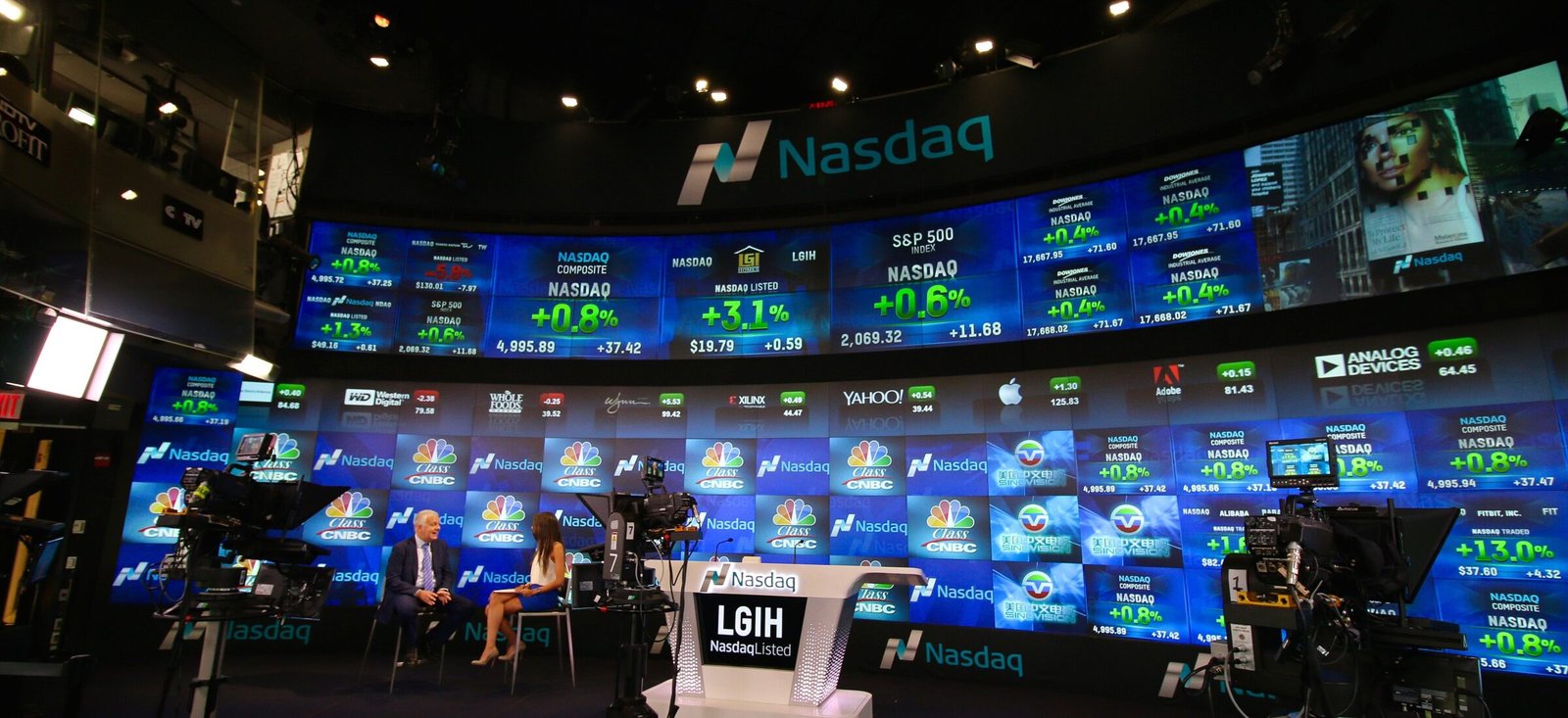
The Nasdaq Composite closed 2.84% lower at 25,442.31. The S&P 500 lost 1.83% and the Dow Jones 1.06%. Technology shares in the S&P 500 fell almost 5%, nearly seven in ten American stocks declined, and the Cboe Volatility Index, Wall Street’s “fear gauge”, jumped by more than 32% during the day to around 22.75, according to TheStreet’s market report.
So, is the AI bubble bursting? The honest answer is that one bad day does not make a burst. What did change on Friday is more interesting: investors stopped paying for artificial intelligence on promise and started asking for the receipt. Daniela Hathorn, an analyst at Capital.com, put it in one sentence quoted by TheStreet: “strong AI demand is no longer enough on its own.”
Friday’s casualty list
| Company or index | Move | What investors reacted to |
|---|---|---|
| Nasdaq Composite | -2.84% (25,442.31) | broad sell-off in technology |
| S&P 500 technology sector | nearly -5% | AI spending without enough profit |
| Intel | -29%, worst day since 1974 | weak Q4 forecast, severe PC slump, factory accident in Israel |
| -29% | beat Q3 estimates but softer Q4 outlook; fears AI is eating software businesses | |
| Alphabet | -12.61% over the week | earnings miss, worries about AI cash burn |
| Amazon | down | disappointing earnings |
| Sandisk | down despite beating forecasts | fear that memory-chip prices are near a peak |
| Cboe Volatility Index (VIX) | +32% intraday, about 22.75 | rising fear |
Source: TheStreet, 30 October 2026.
Three stories inside one sell-off
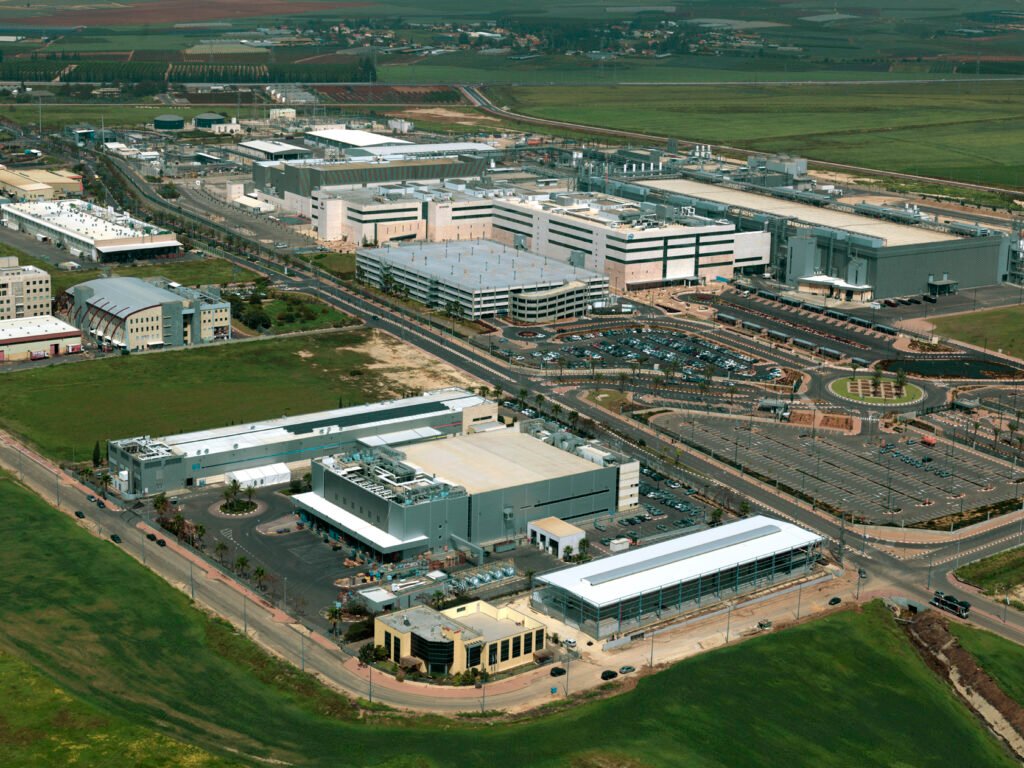
Intel is the oldest name on the list and took the worst hit: a 29% fall, its steepest single-day drop since 1974. The company gave a weak forecast for the fourth quarter, citing a severe slump in personal computers and an accident at a factory in Israel. In mid-October an explosion at Intel’s plant in Kiryat Gat, one of its major manufacturing sites, left three people seriously injured, local authorities said. Police and fire officials suspected an exploding gas cylinder and said there was no evidence of an attack, IBTimes reported.
Reddit shows a newer fear. The company beat analysts’ expectations for the third quarter and still lost 29%, because its outlook for the fourth quarter was softer and because investors increasingly suspect that AI tools are cannibalising parts of the internet economy. When people get answers from a chatbot, they may visit fewer forums, websites and apps. The technology that was supposed to lift every software company could hollow out some of them.
Alphabet and Amazon show the third fear: the bill. The largest technology companies are spending tens of billions of dollars a year on data centres, chips and electricity to build AI. Alphabet fell 12.61% in a week after an earnings miss tied to worries about AI-related cash burn. Investors want that spending to turn into revenue growth, margins and free cash flow, and they want to see it soon.
Why war and interest rates hit tech hardest
Technology shares are priced on profits expected years from now. When interest rates rise, money promised in the future is worth less today, and those shares fall furthest. On Friday the US 10-year Treasury yield stood at 4.917%. Two days earlier the Federal Reserve had held rates but signalled that a rise in December is likely, as we explain in our guide to the US midterms and the dollar.
Behind the Fed stands the oil price. Brent crude was trading near $118 a barrel on Friday morning, pushed up by tanker attacks in the Strait of Hormuz linked to the Iran war (our explainer). Expensive energy feeds inflation, inflation keeps rates high, and high rates squeeze the most expensive stocks. Data centres are also among the most power-hungry buildings on earth, so dearer energy raises the cost of AI itself.
Bubble, correction or crash: the words matter
Market professionals use three words, and they are not interchangeable. A correction usually means a fall of 10% or more from a recent peak. A bear market usually means 20% or more. A bubble is something else: prices that have run far ahead of any realistic future profit and then collapse, as internet stocks did in 2000-2002. Friday was a sharp one-day fall. Whether it becomes a correction, a bear market or the end of a bubble will depend on the next few quarters of earnings, not on one session.
What it means for you
Your savings and pension. You may not own a single American share and still be exposed. Most global index funds and many pension funds track indices in which US companies dominate, and the largest of them are technology firms. A fall in Nasdaq is a fall in a large slice of many European retirement accounts. For a long-term saver, history suggests that panic selling after a single bad day has usually been more costly than waiting; that is a general observation, not investment advice, and Legal Smart is not a financial adviser.
Your phone and laptop. Memory chips had become more expensive as AI data centres bought up supply. Sandisk fell because investors fear memory prices are close to their peak. For companies that sell memory that is bad news; for people who buy phones, laptops and storage it could eventually mean lower prices.
Your job. Reddit’s fall is a warning for anyone who works in software, media or online services: investors now believe AI can take revenue away from existing businesses, not only add to it. In Serbia, where much of the IT sector works for foreign clients, a slowdown in American tech budgets usually arrives as fewer new projects before it shows up as layoffs.
The legal line: AI promises have to be true
There is a legal side to the AI boom that Friday’s sell-off brings into focus. When a listed company tells investors that AI will drive its growth, those statements fall under securities law. The US Securities and Exchange Commission has already acted against “AI washing”: in March 2024 it charged two investment advisers with making false and misleading statements about their use of artificial intelligence. In Europe, the EU AI Act is setting rules for how AI systems are built and used, a timetable Legal Smart examined in the EU AI Act delay for high-risk systems. As money gets more nervous, the gap between what companies promise about AI and what they can prove is likely to become a matter for regulators and courts, not only for analysts.
What to watch
The next earnings reports from the largest AI spenders, and whether they show revenue catching up with investment. The Fed’s decision on 9 December. The oil price and the Strait of Hormuz. And the VIX: a fear gauge that stays above 20 for weeks tells you that Friday was not a one-off.
Frequently asked questions
Is the AI bubble bursting?
Not on the evidence of one day. On 30 October investors punished companies whose AI spending is not yet producing enough profit, pushing the Nasdaq down 2.84%. Whether this becomes a correction or a burst depends on the next quarters’ earnings.
Why did tech stocks crash on 30 October 2026?
Weak forecasts from Intel and Reddit, disappointing results from Amazon and Alphabet, fears about the cost of AI investment, oil near $118 and expectations of a US rate rise in December combined into a broad sell-off.
Why did Intel stock drop 29%?
Intel issued a weak fourth-quarter forecast, citing a severe slump in PC demand and an accident at a factory in Israel. It was the company’s worst trading day since 1974.
What is the difference between a correction and a bubble?
A correction is a fall of about 10% from a recent peak and is common. A bubble is a period in which prices rise far beyond realistic profits and then collapse, as internet stocks did in 2000-2002.
How does a Nasdaq crash affect my pension or savings?
Many global index and pension funds hold large positions in US technology companies, so a Nasdaq fall reduces their value even for savers outside America. Long-term effects depend on whether the decline persists.
What is AI washing?
Exaggerating or misrepresenting the use of artificial intelligence to attract investors or customers. The US SEC brought its first AI-washing cases against two investment advisers in March 2024.
Sources
- TheStreet, Stock Market Today (30 October 2026): Intel, Reddit are latest tech earnings casualties as Nasdaq sinks nearly 3%
- IBTimes, Intel shares slide amid Israel plant explosion (October 2026)
- US SEC, SEC charges two investment advisers with false statements about AI (March 2024)
- Admiral Markets, FOMC October 2026: Fed holds rates
- The National, Oil prices set for sharp monthly rise (30 October 2026)