10,000 Cases and No Vaccine: Inside the Ebola Outbreak the World’s Best Shot Was Never Built For
More than 10,500 confirmed cases and 5,100 deaths in Congo. A global health emergency since May. And a virus, Bundibugyo, for which there is no licensed vaccine, no approved treatment and no specific rapid test. How the world prepared for the wrong Ebola, and the race to see whether the old vaccine can stop the new one.
简要回答
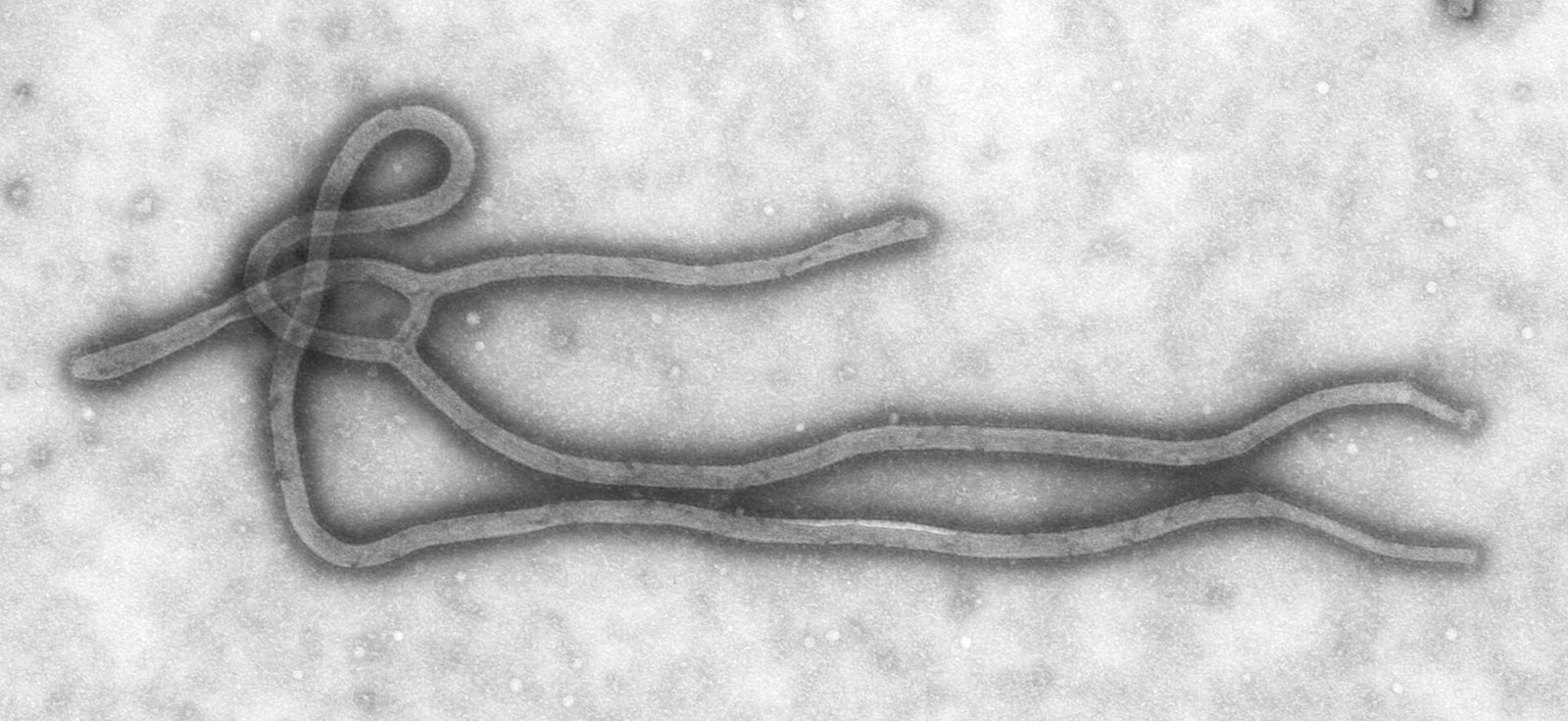
No licensed vaccine exists for Bundibugyo virus, the Ebola species behind the 2026 outbreak in the Democratic Republic of Congo, which had 10,532 confirmed cases and 5,126 deaths by 1 November. The licensed Ebola vaccine, Ervebo, targets the Zaire species. A July 2026 laboratory study suggested it may offer some cross-protection, and WHO advisers recommended prioritising it for a phase 3 trial. CEPI supports four Bundibugyo-specific candidates.
For a decade, the world had an answer to Ebola. After the West African epidemic of 2014 to 2016, which killed more than 11,000 people, scientists delivered a vaccine that worked, regulators approved it in 2019, and stockpiles were built. Health officials spoke, cautiously, of Ebola as a disease that could finally be contained.
Then, in May 2026, a different Ebola surfaced in Ituri, in the north-east of the Democratic Republic of Congo. The vaccine had not been built for it.
Is there a vaccine for the 2026 Ebola outbreak?
No licensed one. The outbreak is caused by Bundibugyo virus, one of several species of Ebola. The vaccine the world stockpiled, Merck’s Ervebo (rVSV-ZEBOV), and the two-dose Johnson & Johnson regimen both target the Zaire species. There are, as Wellcome put it, “no approved vaccines, treatments or rapid diagnostic tests specifically targeting the Bundibugyo species.” The monoclonal antibody treatments that transformed survival in recent outbreaks also work only against Zaire.
Bundibugyo had been recorded only twice before, in Uganda in 2007 and in Congo in 2012. It was not a priority. That is how a known virus becomes a blind spot.
The size of it
The numbers are now the largest for any Ebola outbreak since West Africa. By 1 November, Congo had 10,532 confirmed cases and 5,126 confirmed deaths across 67 health zones in eight provinces, with the newest affected zone, Yakoma, on the border with the Central African Republic, according to the UK Health Security Agency. Kenya has confirmed nine cases, two of them fatal. Nigeria confirmed one, a woman who had travelled from Uganda and was medically evacuated to Switzerland. Uganda’s outbreak was declared over in August after 20 cases.
| Bundibugyo Ebola, 2026 | |
|---|---|
| Confirmed cases in DR Congo (to 1 November) | 10,532 |
| Confirmed deaths in DR Congo | 5,126 |
| Health zones affected | 67, in 8 provinces |
| Kenya | 9 cases, 2 deaths |
| Nigeria | 1 case, evacuated to Switzerland |
| Licensed Bundibugyo vaccines | 0 |
| Bundibugyo vaccine candidates backed by CEPI | 4 |
Sources: UKHSA outbreak monitoring, week 44; Wellcome; WHO AFRO.
The World Health Organization declared a public health emergency of international concern in mid-May, and Africa CDC declared a continental emergency a day later. Wellcome noted that the virus may have spread for “several weeks, possibly months” before anyone recognised it, partly because the rapid tests in use were designed to detect Zaire.
Can the old vaccine stop the new virus?
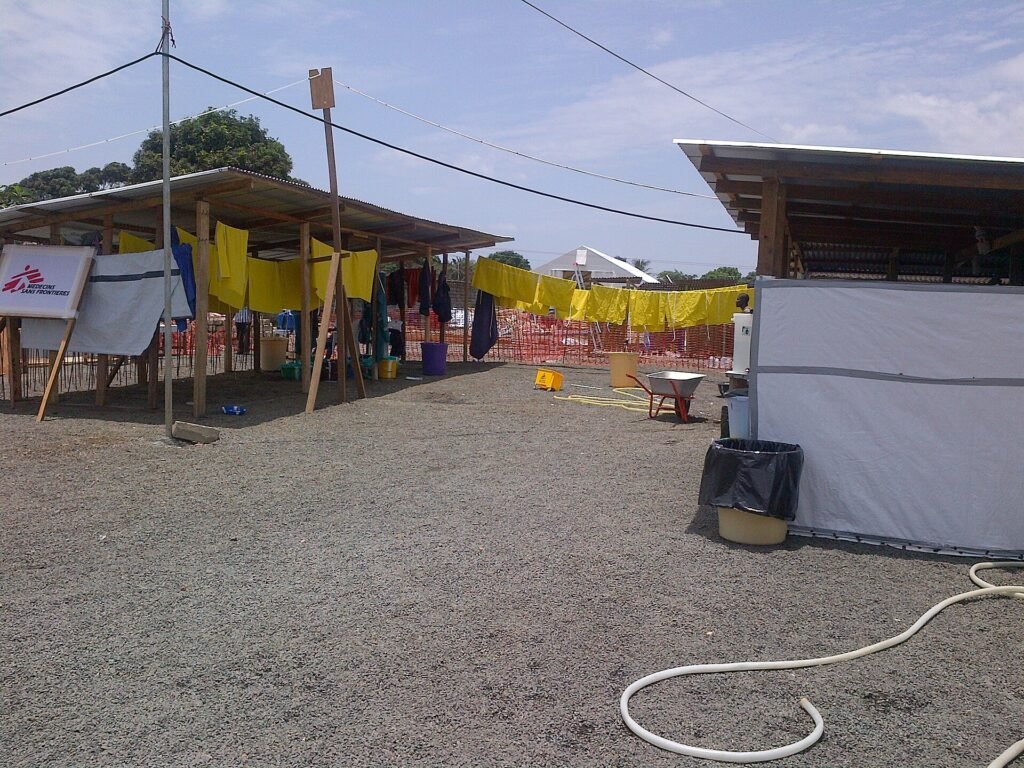
This is the experiment now under way. In July, researchers testing blood samples from people vaccinated with Ervebo reported in the New England Journal of Medicine that the vaccine may offer some protection against Bundibugyo, calling it an “immediately deployable candidate that could be evaluated during the ongoing outbreak.” On 31 July a WHO advisory group recommended prioritising Ervebo for a phase 3 trial in Congo, Healio reported.
Meanwhile CEPI, the vaccine coalition, is backing four Bundibugyo-specific candidates, none yet tested in humans as of June. For treatments, the PARTNERS adaptive trial platform, developed by ISARIC and WHO with Congo’s national biomedical research institute, was launched to test candidate therapies.
The uncomfortable conclusion is the one Wellcome drew: “Closing these gaps requires long-term, sustained investment, not cycles of panic and neglect.”
Europe, the Middle East and America
Europe has already received a patient: the Nigerian case was flown to Switzerland for treatment. Health agencies assess the risk to the European public as low, because Ebola spreads through direct contact with bodily fluids, not through the air, and European hospitals can isolate cases.
The Middle East and the Gulf, with their airline hubs connecting Africa to the world, are part of the screening chain that keeps that risk low.
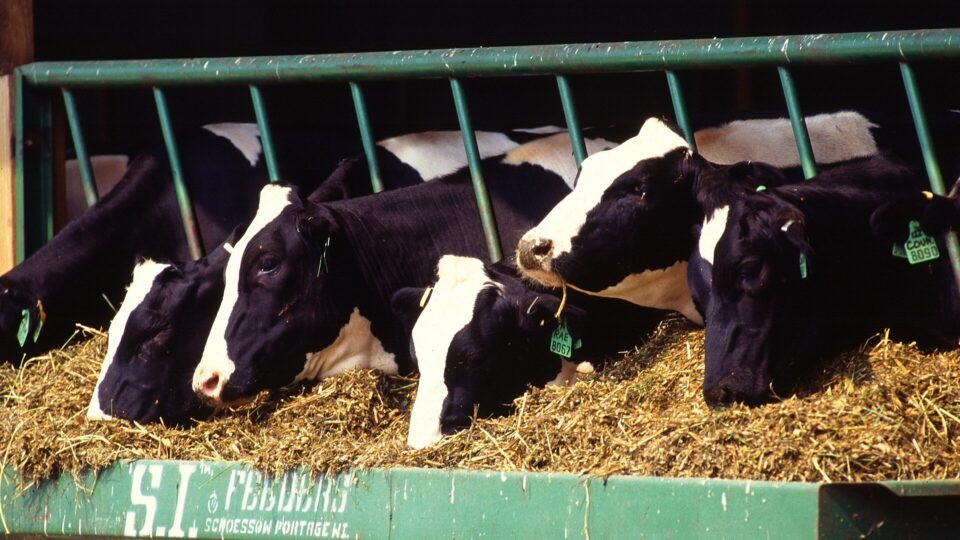
America faces its own outbreak on its dairy farms, where the first H5N1 death of the year shows the same pattern of surveillance gaps. Different viruses, same lesson: you cannot stop what you are not testing for.
Frequently asked questions
Is there a vaccine for Bundibugyo Ebola?
No licensed vaccine exists. Ervebo protects against the Zaire species; a July 2026 laboratory study suggested some cross-protection, and WHO advisers recommended testing it in a phase 3 trial.
How many people have died in the 2026 Ebola outbreak?
The DR Congo had 5,126 confirmed deaths among 10,532 confirmed cases by 1 November 2026, plus two deaths in Kenya.
Is Ebola a risk in Europe?
The risk is assessed as low. One case was evacuated to Switzerland. Ebola spreads through direct contact with the bodily fluids of a sick person, not through the air.
What are the symptoms of Ebola?
Sudden fever, fatigue, muscle pain, headache and sore throat, followed by vomiting, diarrhoea and, in some cases, bleeding. Symptoms appear 2 to 21 days after infection.
Is the Ebola outbreak a global emergency?
Yes. The WHO declared a public health emergency of international concern in May 2026.
Where is the Ebola outbreak?
Mainly in the Democratic Republic of Congo, starting in Ituri province, with cases in Kenya, Nigeria and, earlier, Uganda.
Sources
- UKHSA, Outbreaks under monitoring, week 44 (1 November 2026)
- Wellcome, The 2026 Bundibugyo Ebola outbreak: why R&D investment matters
- Healio, Licensed Ebola vaccine could be used in Congo outbreak, WHO advisers say (7 August 2026)
- WHO AFRO, Ongoing outbreak in the Democratic Republic of the Congo
- CEPI, Bundibugyo virus: what it is and what it is not