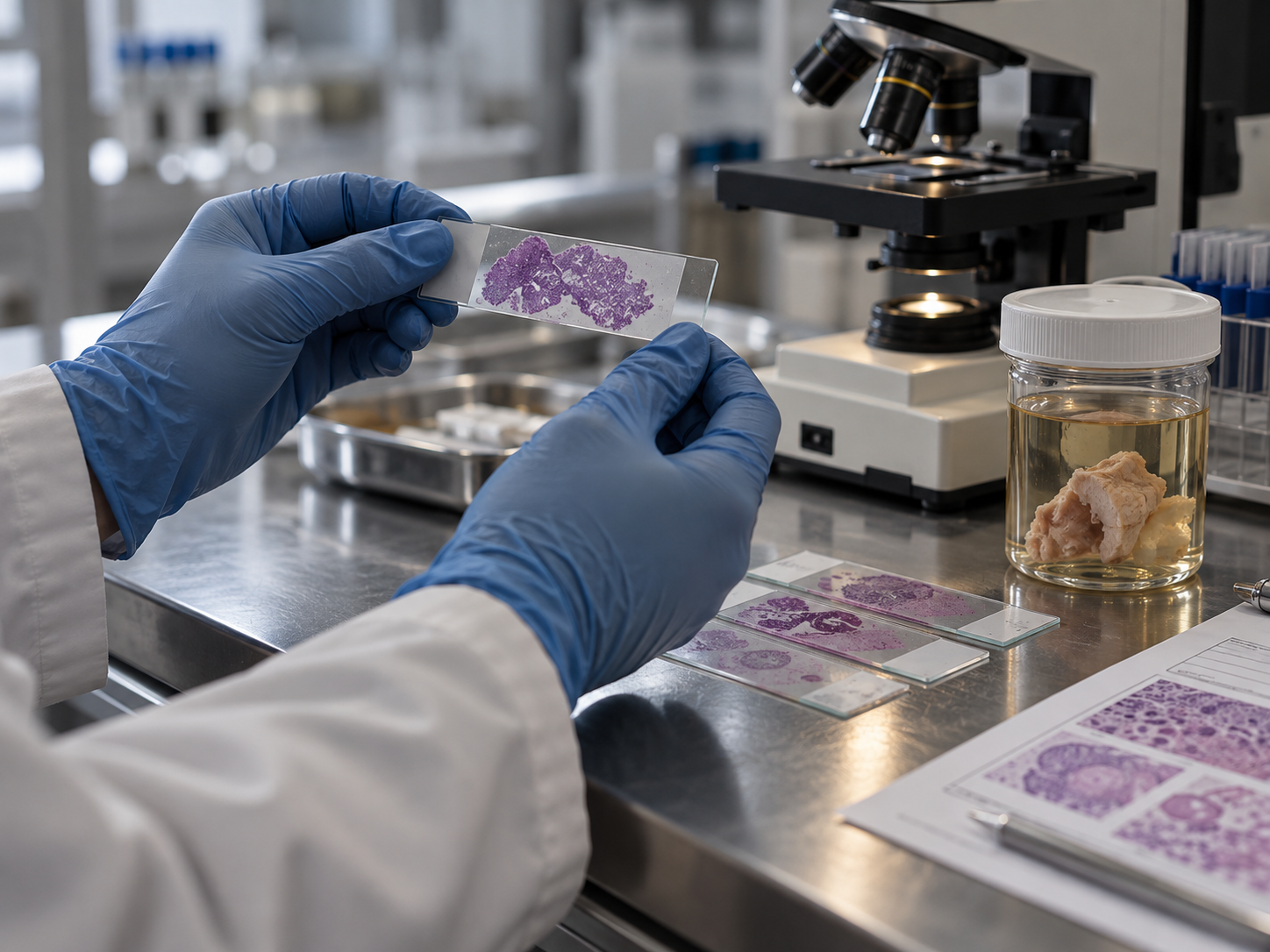
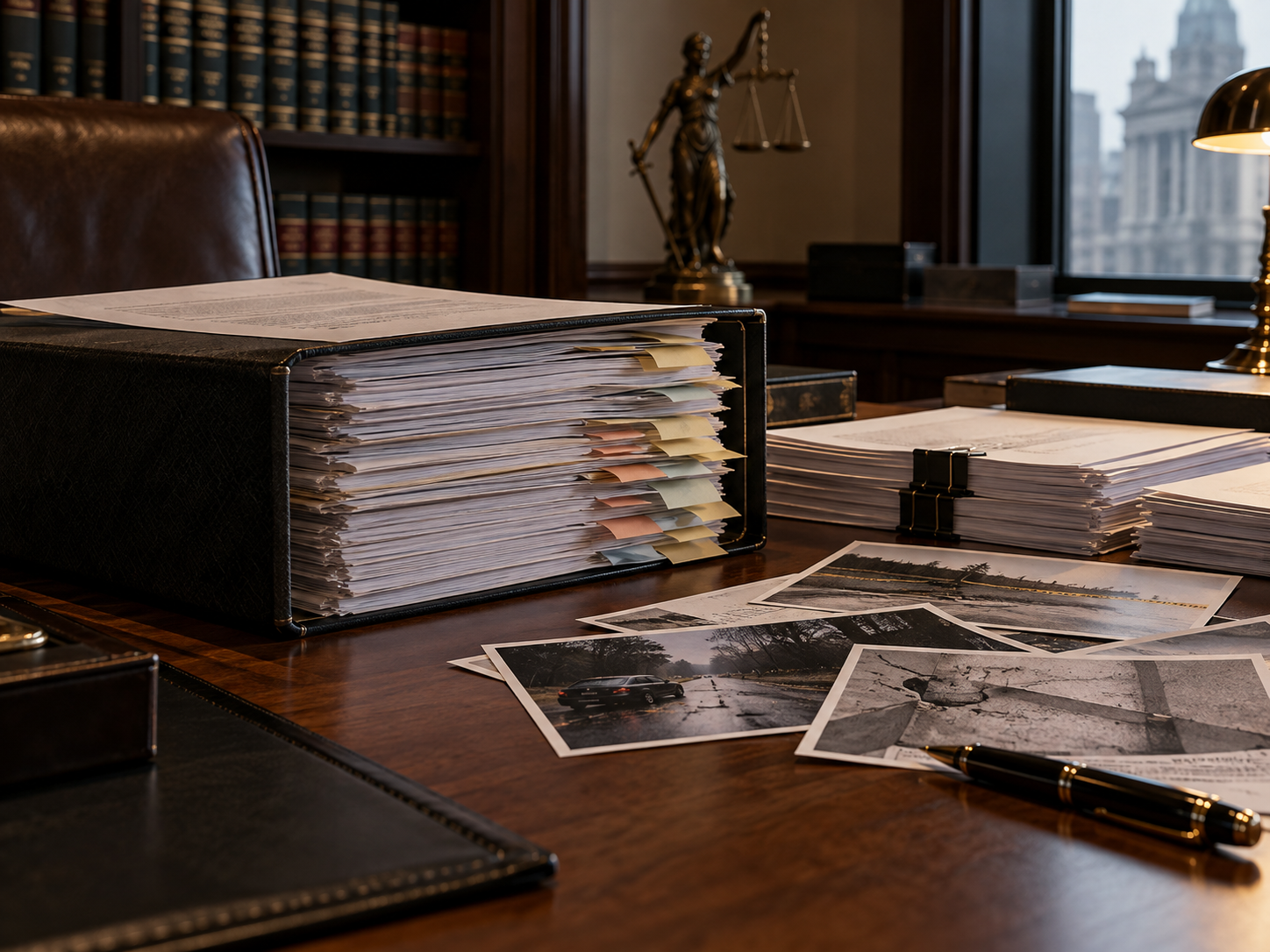
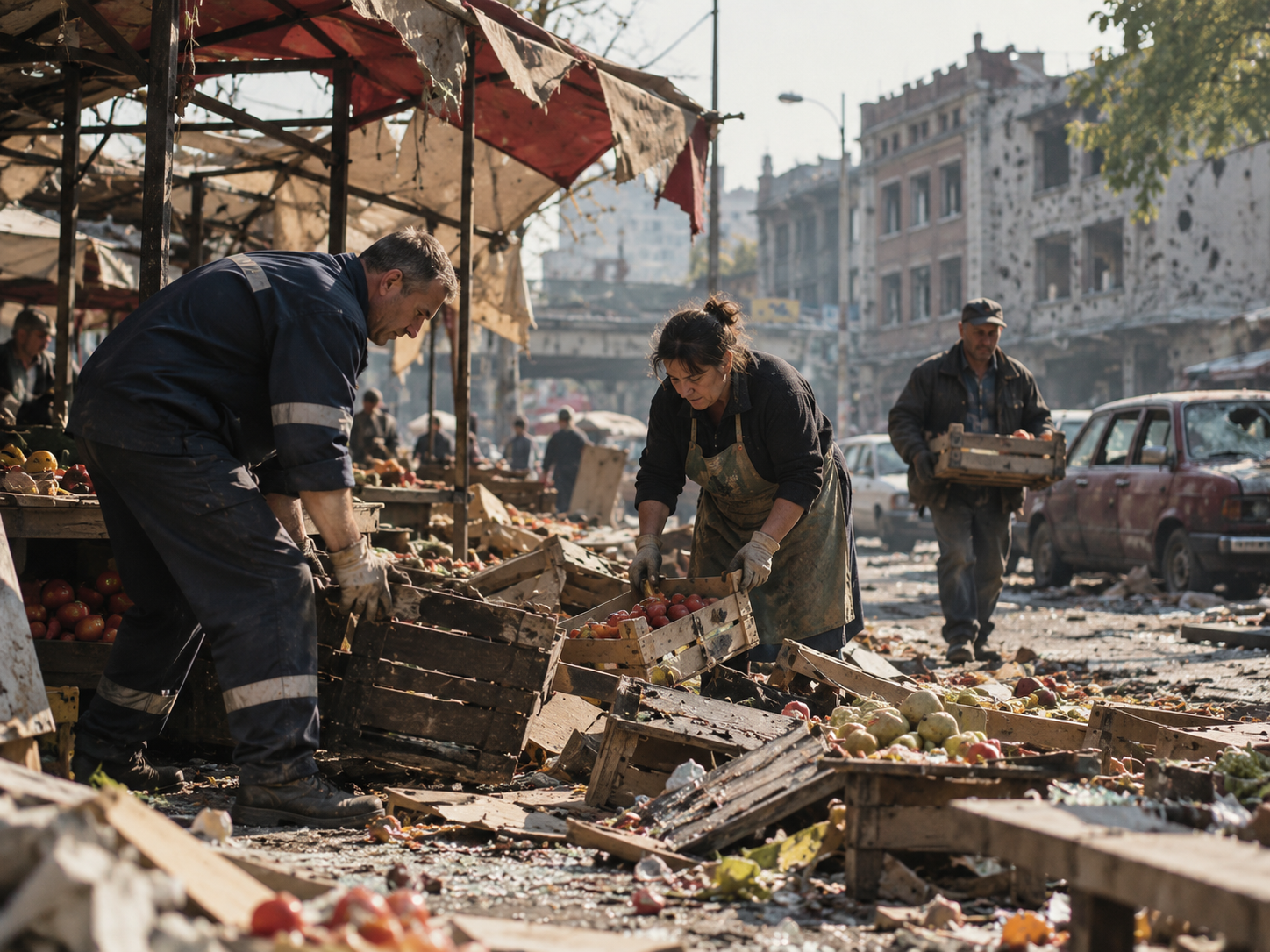
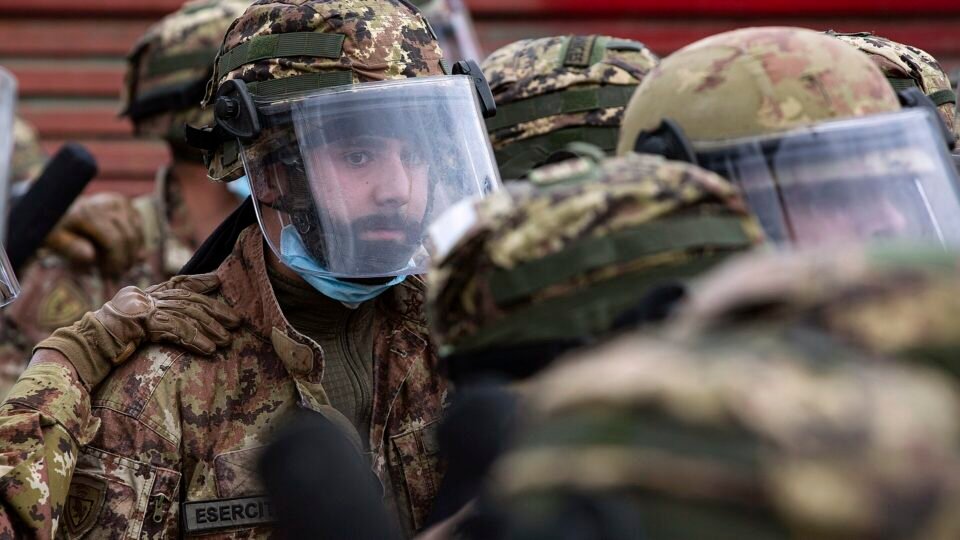
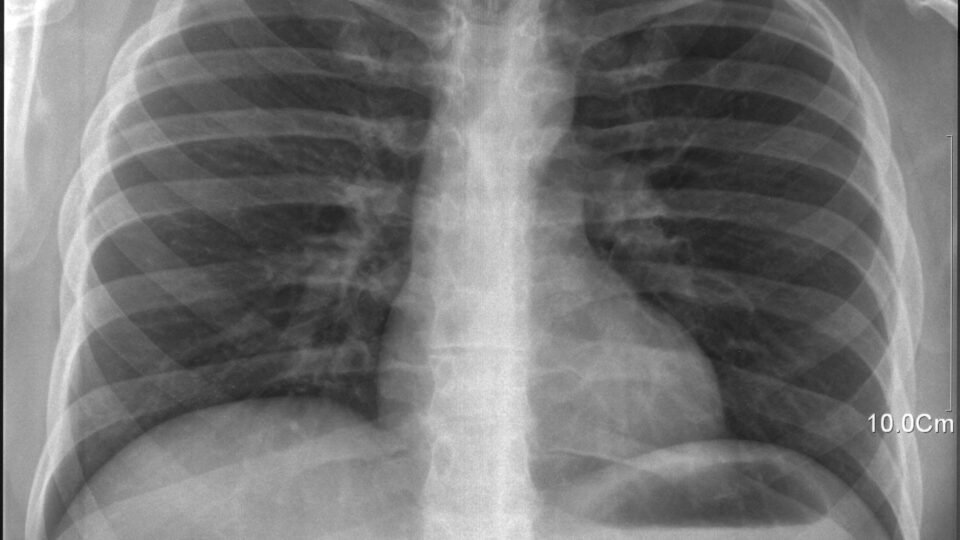
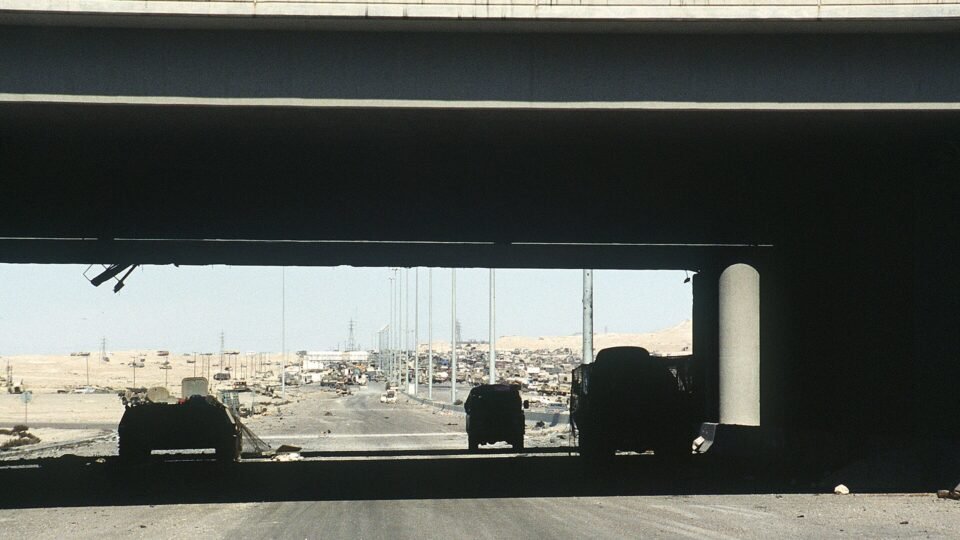
More than 300 Italian veterans who served in Bosnia and Kosovo and later developed cancer have won cases against their own Ministry of Defence. Their judges faced the hardest question in law and medicine: how do you prove what a particle did inside a body? The answer Italian courts reached, and why it matters far beyond Italy.
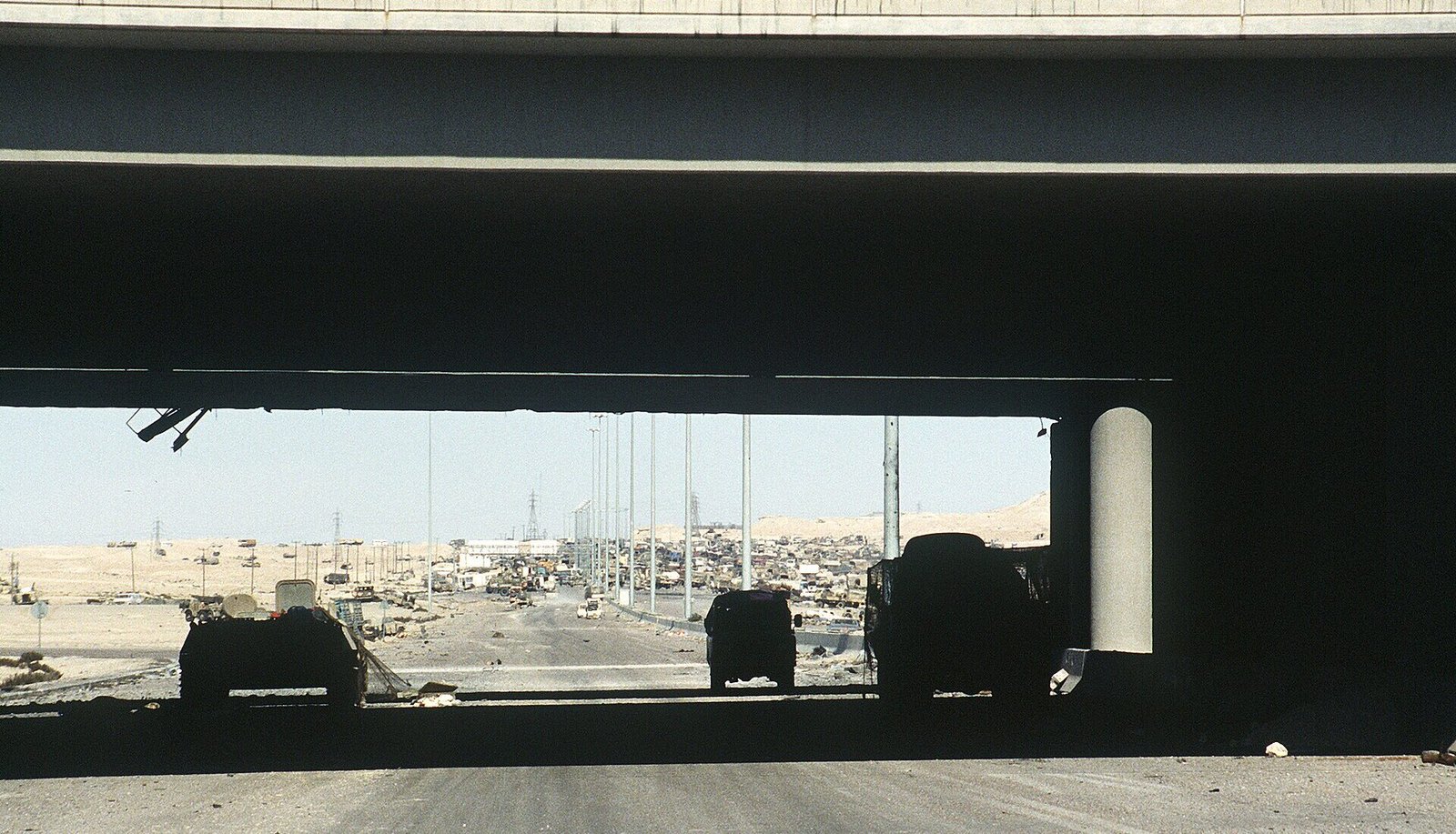
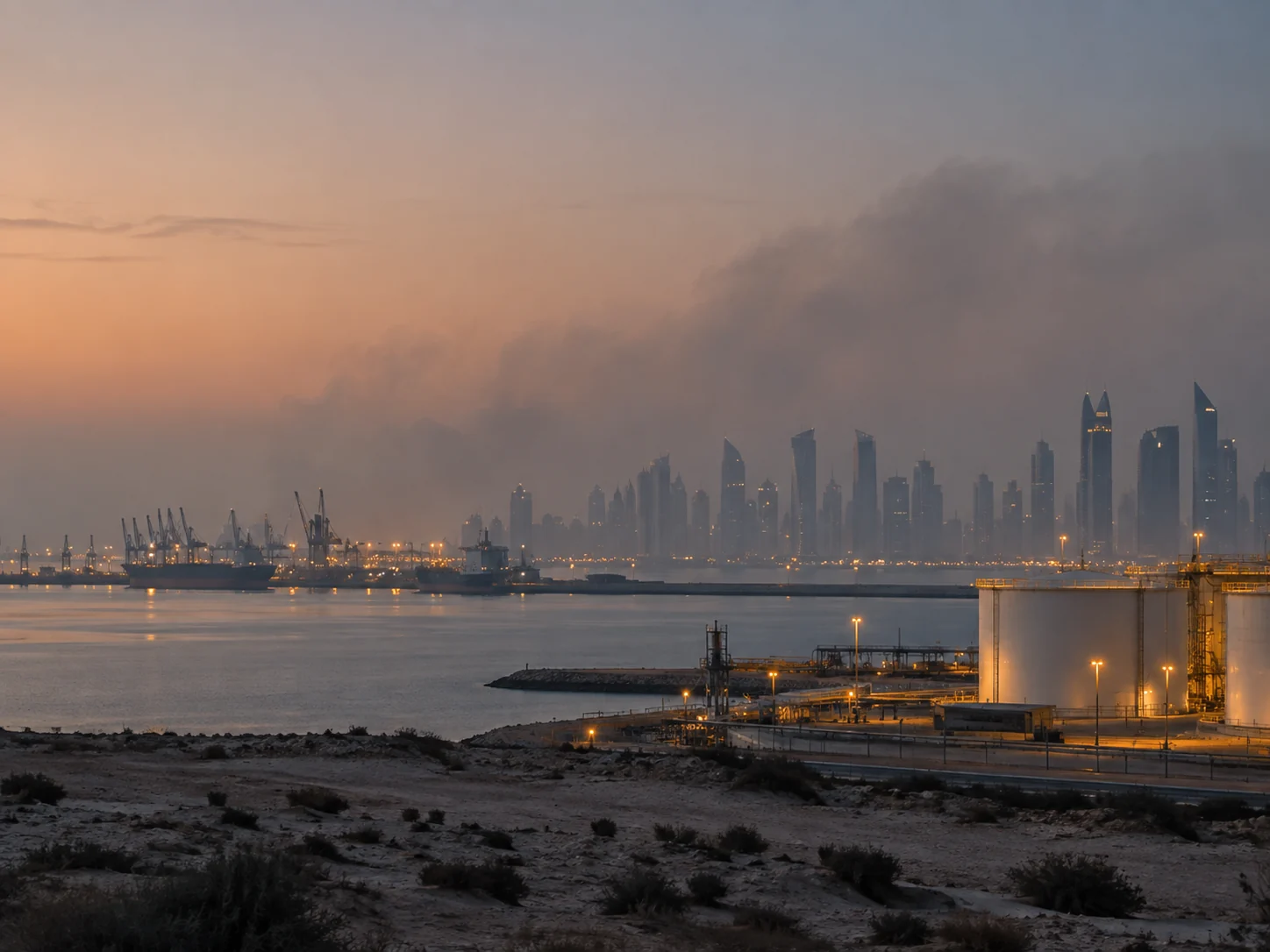
Washington has reportedly told Gulf allies to prepare for a short, intense conflict after the 3 November elections. Tehran has offered a two-day plan to reopen Hormuz. An editorial analysis of the two outcomes that are actually possible, what each would mean in Europe, the Middle East and America, and which one ordinary people should hope for.
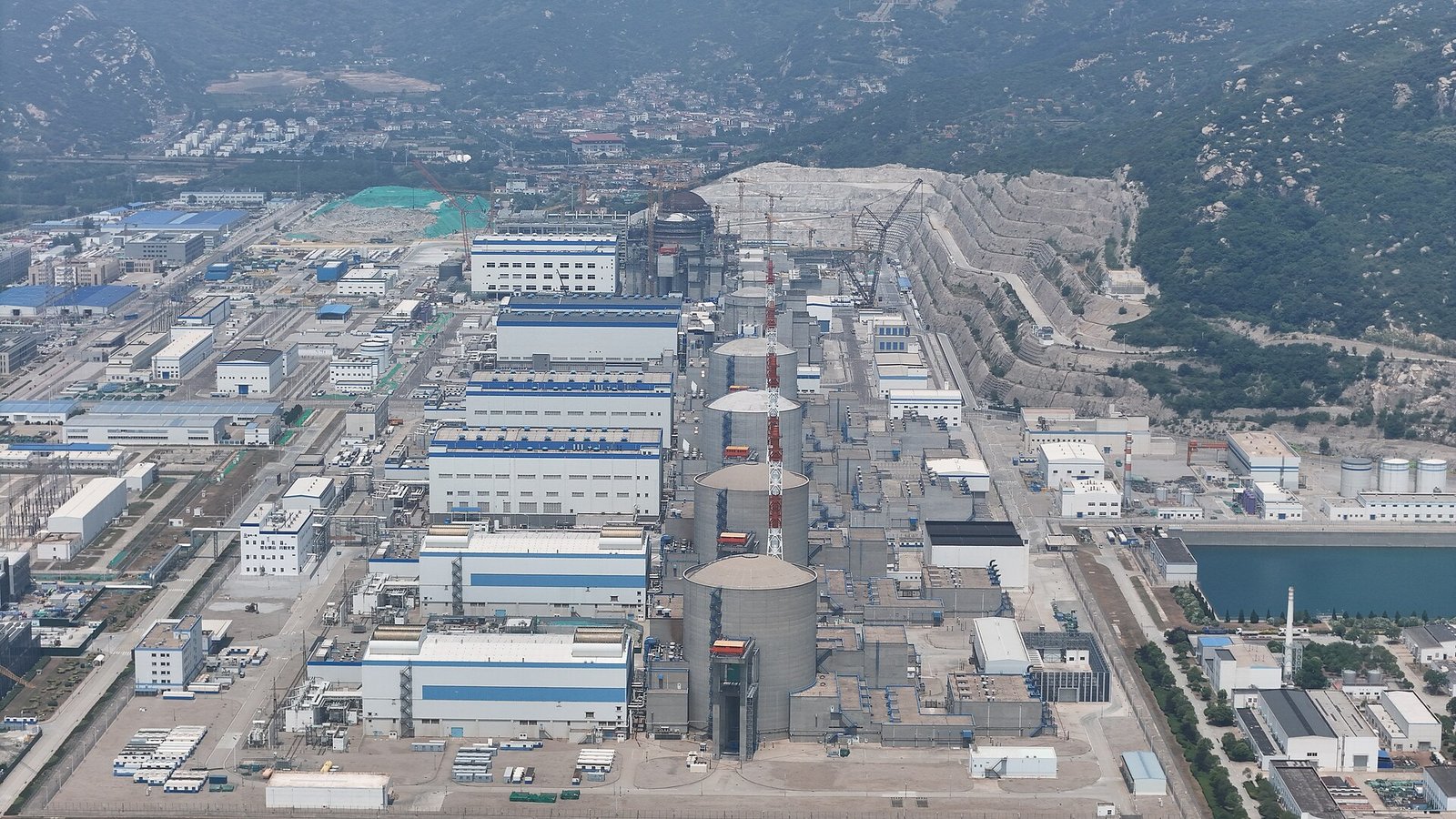
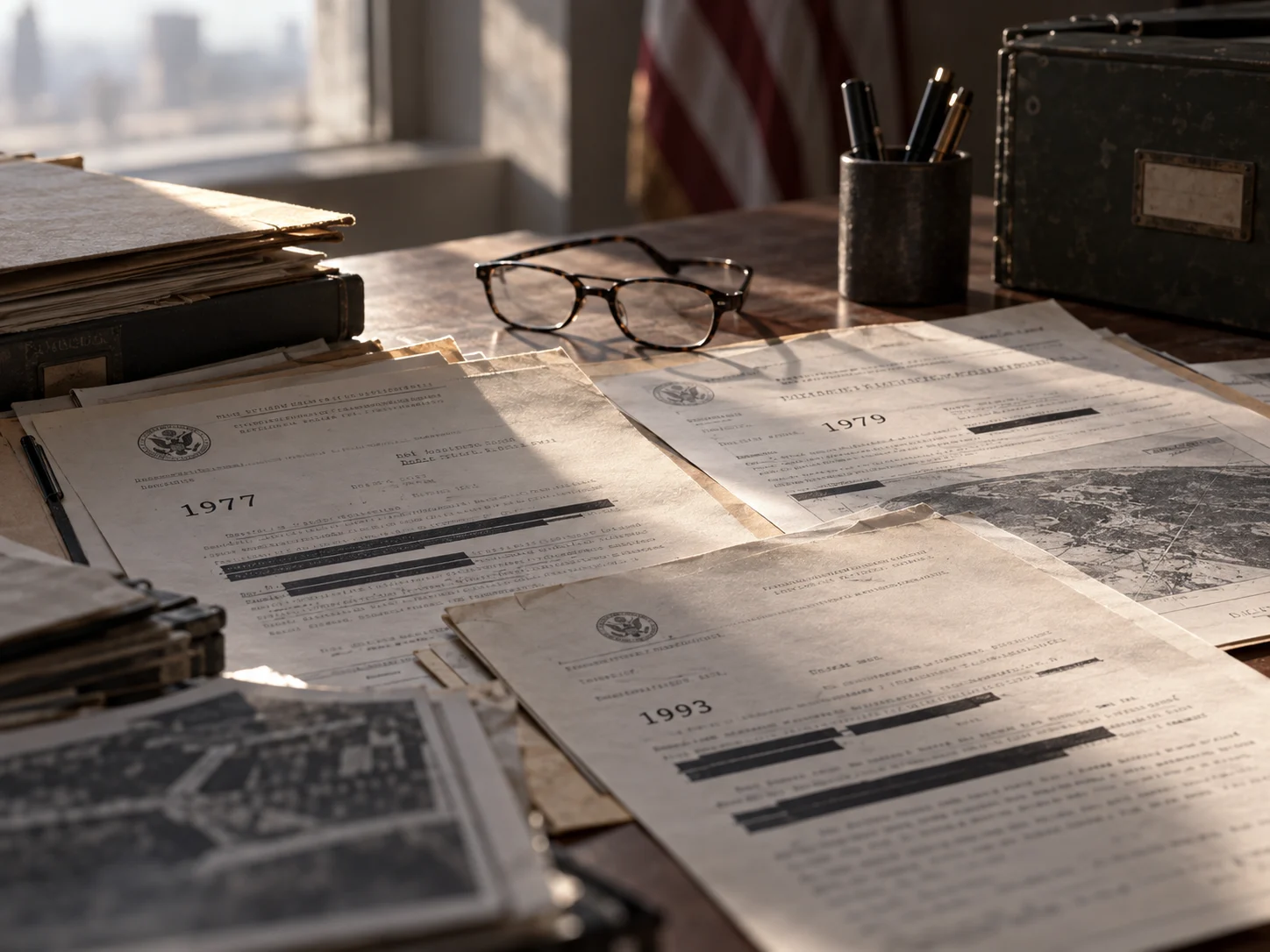
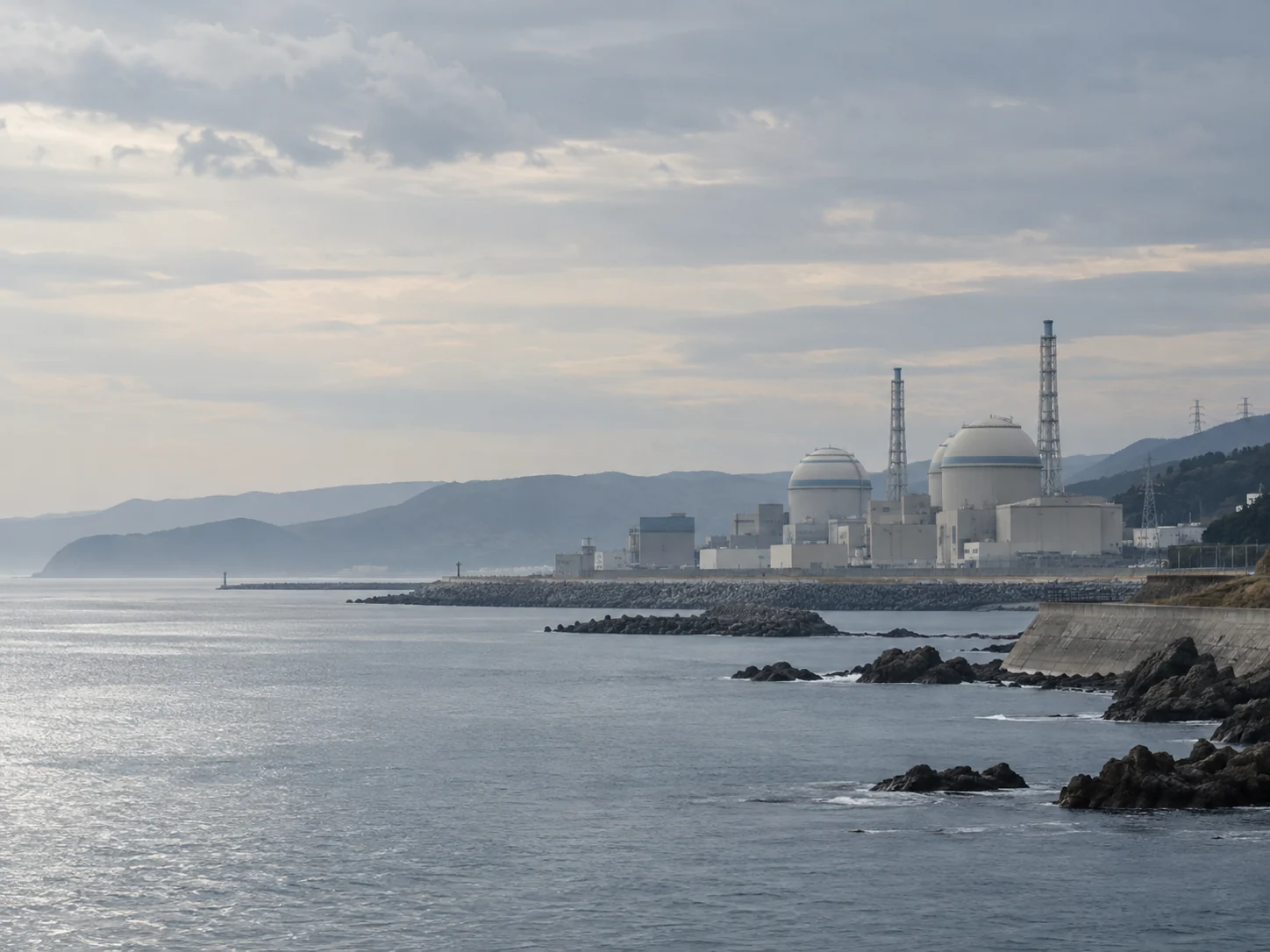
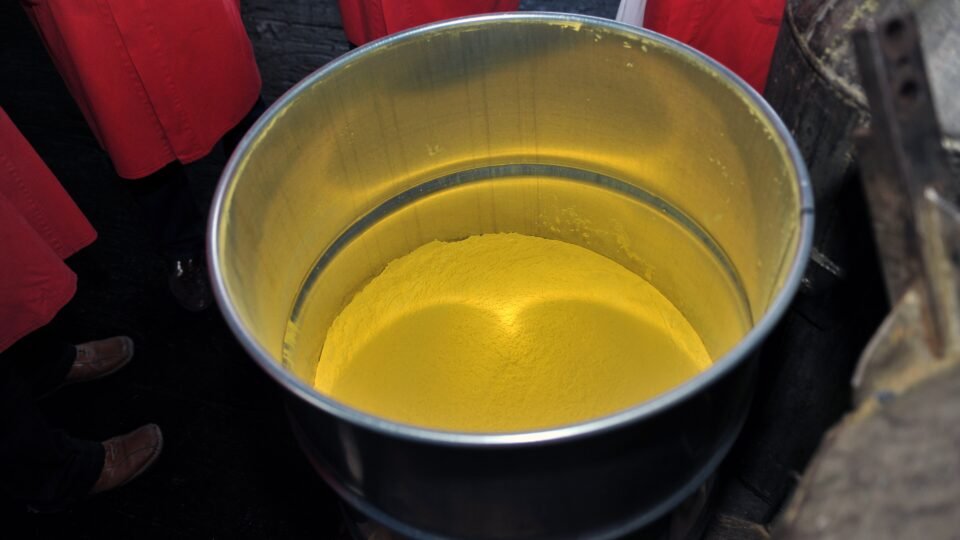
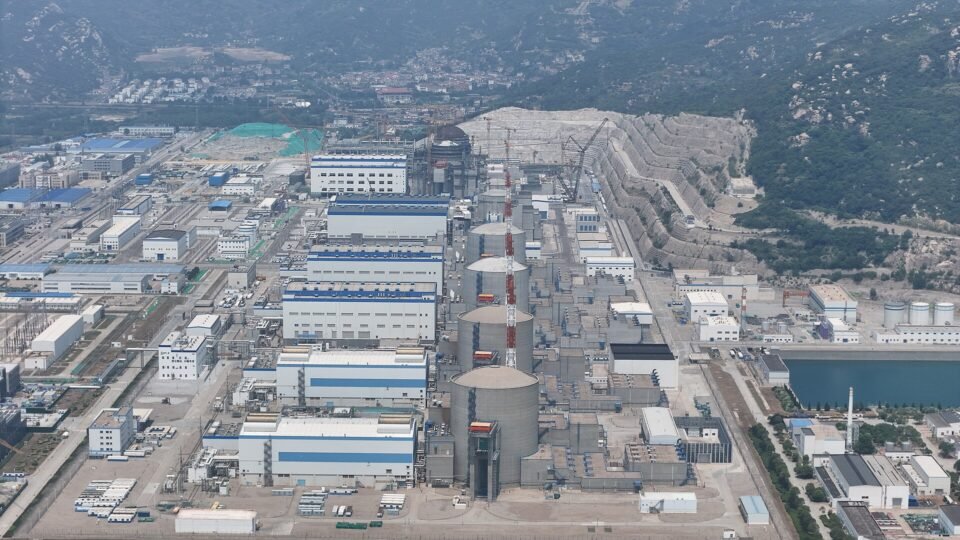
Artificial intelligence needs electricity, tech giants are signing nuclear deals and the long-term uranium price has hit a record. From the Navajo Nation to Niger and Serbia's Stara Planina, the first uranium boom left a health and legal bill that was never fully paid.
November is Lung Cancer Awareness Month. The disease kills more people than any other cancer, and a growing share of patients never touched a cigarette. New research points to polluted air and to radon, a gas born from uranium in the ground. What we know, what Serbia's figures show and the symptoms nobody should ignore.
Microsoft has offered voluntary exit packages to about a quarter of its workforce while spending record sums on AI data centres. It says it expects few people to accept. What the offer reveals about the future of work, and what it means for tech jobs in Europe and Serbia.
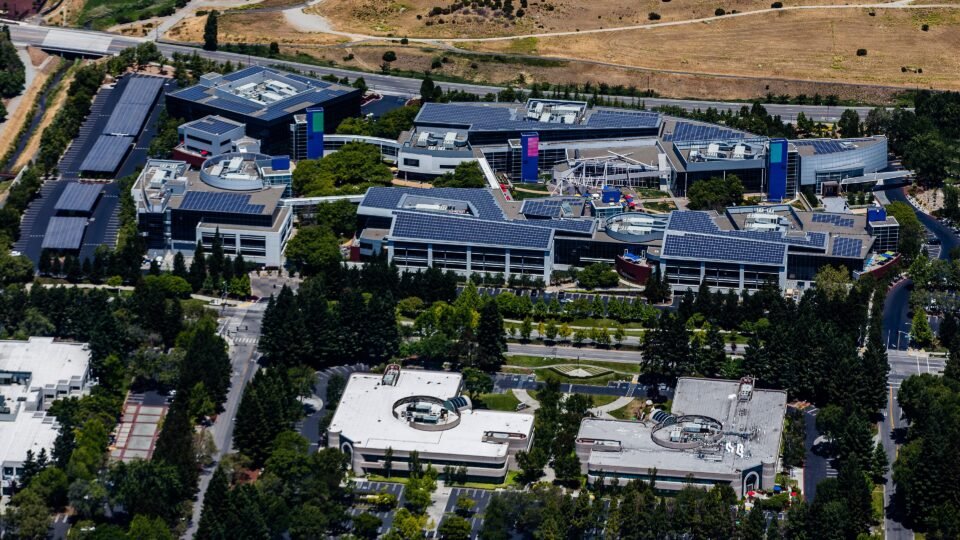
Alphabet lost about $500 billion in a day after Google said answers in AI Mode earn less than classic search ads. Behind the share price is a bigger story: how billions of people find information is changing, and who gets paid for it.
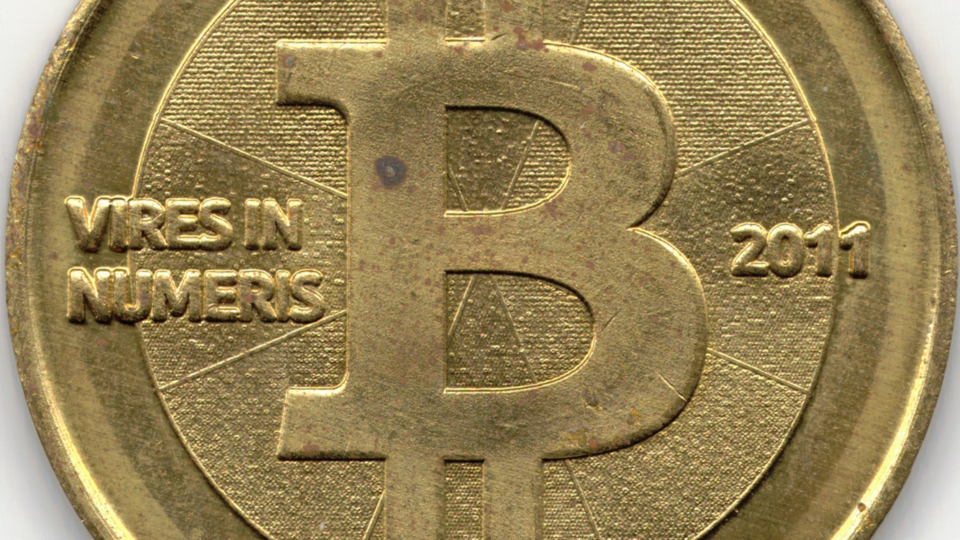
The largest theft on record began with one compromised laptop. Investigators link it to North Korea, Binance says customer funds are covered, and bitcoin fell below $77,000. What happened, how it worked and what anyone holding crypto should do now.
France's 10-year borrowing cost has broken 5% for the first time since 2002, its gap with Germany is the widest since the euro crisis of 2011, and the presidential election is only months away. What a French bond scare means for the euro, for Serbia and for ordinary savers.
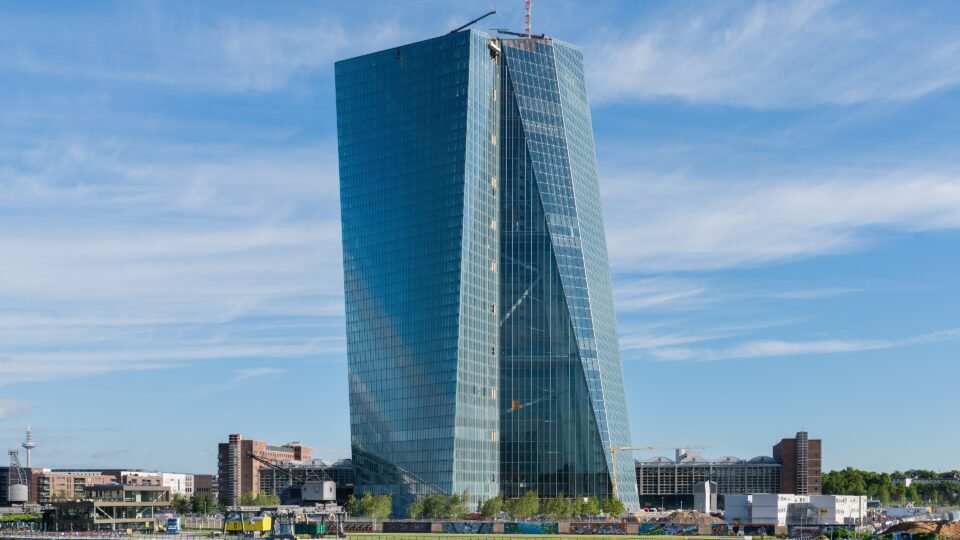
The European Central Bank kept rates on hold, warned that a longer energy shock could push inflation higher and signalled a possible rise in December. On the same day Christine Lagarde said she will leave in February. Here is what that means for Euribor, mortgages and savings.
More than 300 Italian veterans who served in Bosnia and Kosovo and later developed cancer have won cases against their own Ministry of Defence. Their judges faced the hardest question in law and medicine: how do you prove what a particle did inside a body? The answer Italian courts reached, and why it matters far beyond Italy.
Washington has reportedly told Gulf allies to prepare for a short, intense conflict after the 3 November elections. Tehran has offered a two-day plan to reopen Hormuz. An editorial analysis of the two outcomes that are actually possible, what each would mean in Europe, the Middle East and America, and which one ordinary people should hope for.
Artificial intelligence needs electricity, tech giants are signing nuclear deals and the long-term uranium price has hit a record. From the Navajo Nation to Niger and Serbia's Stara Planina, the first uranium boom left a health and legal bill that was never fully paid.
November is Lung Cancer Awareness Month. The disease kills more people than any other cancer, and a growing share of patients never touched a cigarette. New research points to polluted air and to radon, a gas born from uranium in the ground. What we know, what Serbia's figures show and the symptoms nobody should ignore.
Microsoft has offered voluntary exit packages to about a quarter of its workforce while spending record sums on AI data centres. It says it expects few people to accept. What the offer reveals about the future of work, and what it means for tech jobs in Europe and Serbia.
Alphabet lost about $500 billion in a day after Google said answers in AI Mode earn less than classic search ads. Behind the share price is a bigger story: how billions of people find information is changing, and who gets paid for it.
The largest theft on record began with one compromised laptop. Investigators link it to North Korea, Binance says customer funds are covered, and bitcoin fell below $77,000. What happened, how it worked and what anyone holding crypto should do now.