He Climbed the Uranium Hill Seven Times. Eighteen Years Later, a Rare Cancer. Then He Sued NATO
A Serbian army officer patrolled the slopes of Pljačkovica above Vranje in 2000 and 2001, months after NATO struck the hill with depleted uranium. Eighteen years later doctors found a leiomyosarcoma. His case became the first individual lawsuit against NATO filed in Serbia. Legal Smart read the file.
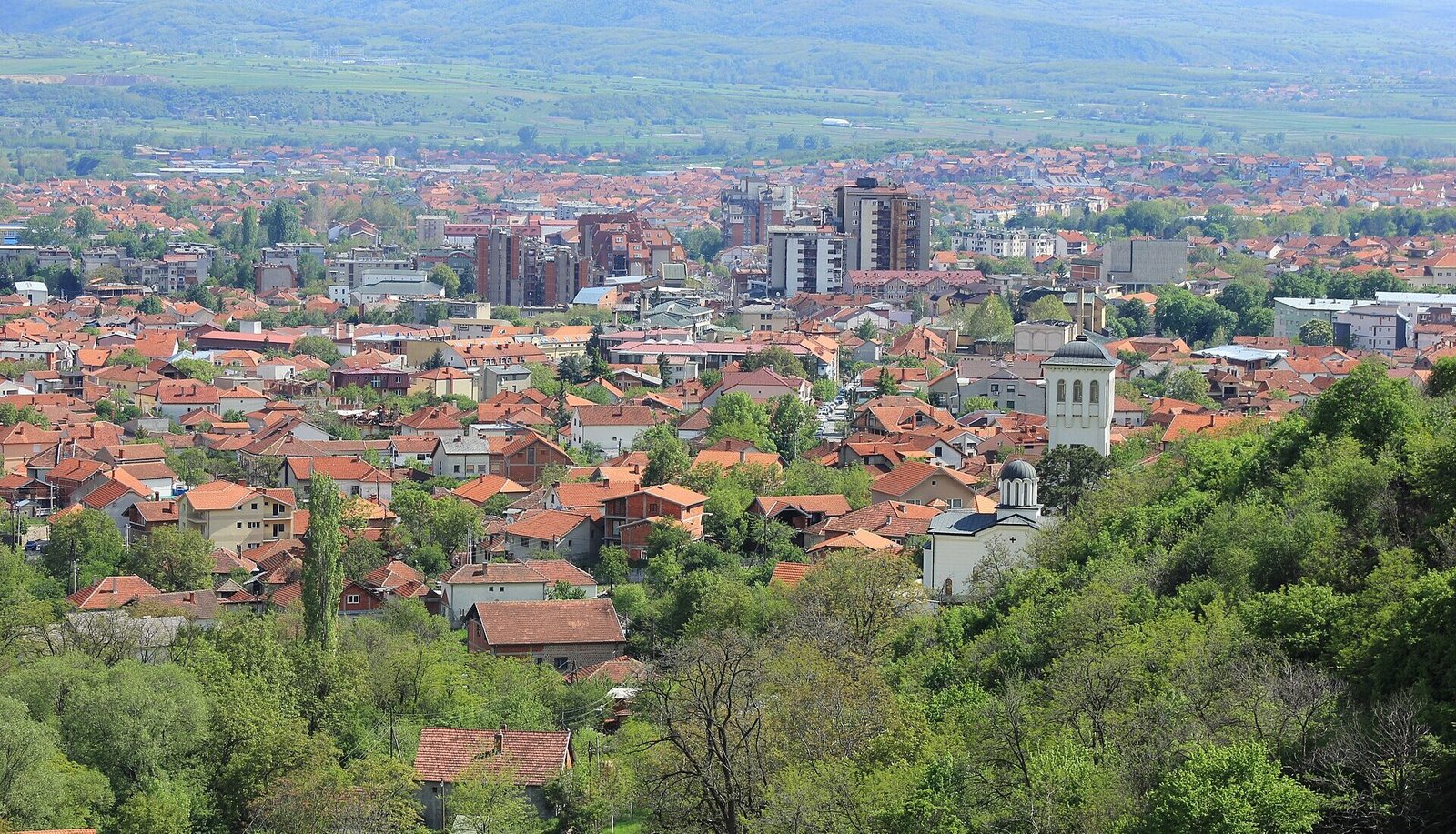
The lawsuit described here was filed by the law office of Prof. Dr Srđan Aleksić, who represents the plaintiff. Legal Smart publishes his analysis; the claims in the lawsuit are the plaintiff’s and have not been decided by a court.
The Short Answer
In January 2021 a Serbian army officer who developed leiomyosarcoma, a rare soft-tissue cancer, filed the first individual lawsuit against NATO in Serbia, at the Higher Court in Belgrade. He claims about €100,000, arguing his illness followed service in 2000–2001 near Pljačkovica hill above Vranje, struck with depleted uranium in 1999. NATO invokes immunity; no court has ruled finally on the claim.
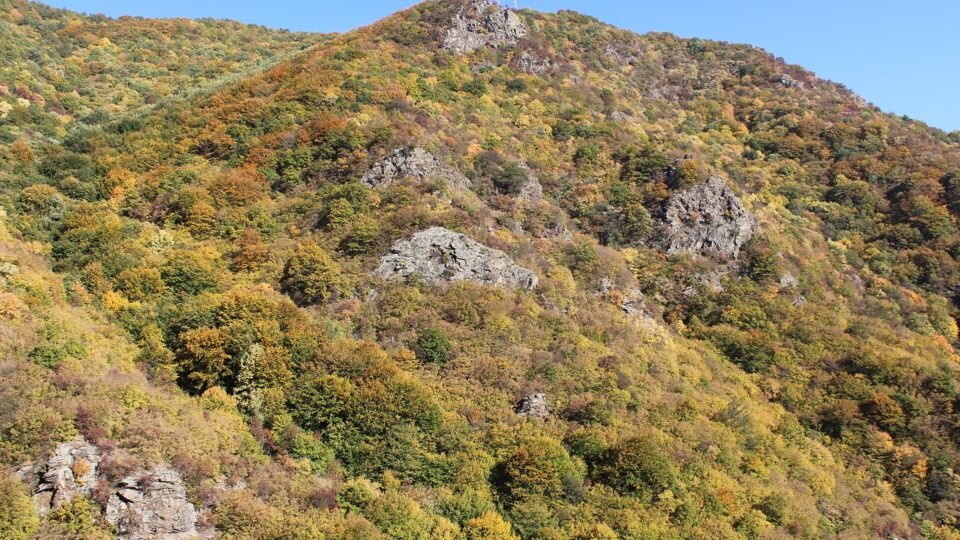
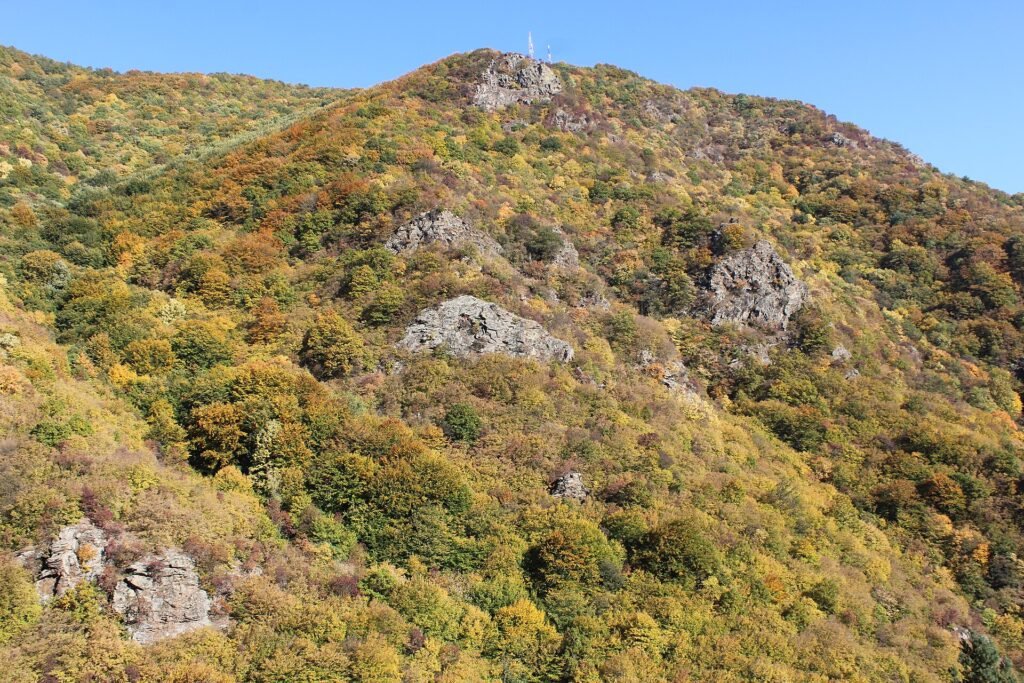
At eight every morning the column left the barracks in Vranje and walked uphill. It came back at half past one. Seven times, the file says, the march went all the way up Pljačkovica, the hill with the television mast that NATO aircraft had struck with depleted uranium rounds two years earlier.
The officer leading it was not thinking about uranium. He was doing his job: securing the Ground Safety Zone, the five-kilometre buffer along the administrative line with Kosovo created by the Kumanovo Agreement of June 1999. He changed the guard at observation posts, slept in abandoned houses and in tents, and cooked with food and water from the surrounding villages.
Eighteen years later, doctors found a tumour behind the lining of his abdomen. The diagnosis was leiomyosarcoma, an aggressive cancer of smooth muscle tissue.
Can you sue NATO for cancer from depleted uranium?
You can file the claim; whether a court will hear it is the open question. On 20 January 2021 the officer, by then head of a regional centre of Serbia’s Ministry of Defence, filed what N1 and Danas reported as the first individual private lawsuit against NATO in Serbia, at the Higher Court in Belgrade. The complaint runs to about 500 pages and claims about €100,000. NATO, in Serbian cases since, has invoked its immunity as an international organisation, and no Serbian court has yet ruled finally on that point, as we explained in The Pavković case and the question of immunity.
His name has not been made public. His file has. It is reproduced in Projektili pravde, the 2024 study by Srđan Aleksić, whose law office filed the case. (Legal Smart publishes Aleksić’s analysis; see the disclosure above.)
The dates that make the case
A uranium lawsuit is a lawsuit about a calendar. The complaint, as reproduced in the book, gives it precisely.
| What the file says | |
|---|---|
| Service in the area | 20 December 2000 – 8 July 2001 |
| Direct combat duty in the Ground Safety Zone | 23 March – 24 June 2001 |
| Training sites | Sveti Ilija, Javor above Vranje, Novo Selo |
| Marches to Pljačkovica | 7 |
| Daily time in the field | about 08:00 to 13:30 |
| Diagnosis | Leiomyosarcoma, retroperitoneum, 18 years after service |
| Lawsuit filed | 20 January 2021, Higher Court in Belgrade |
| Claim | about €100,000 |
Sources: Projektili pravde (2024); N1 and Danas (2021).
The complaint adds what was around him. The nearby villages of Bratoselce, Borovac and Reljan, near Bujanovac and Preševo, had also been hit with depleted uranium rounds. The natural background of uranium in soil, it notes, is 5 to 125 becquerels per kilogram. Pljačkovica itself appears on NATO’s own list of 112 contaminated locations, which we mapped in Where NATO’s depleted uranium fell.
Why the summer mattered
The heart of the claim is not the moment the rounds hit in 1999. It is what the officer did afterwards, on the same ground, in dry weather. The complaint describes a hillside where the burnt uranium had settled as fine dust, and a unit whose every march lifted it back into the air.
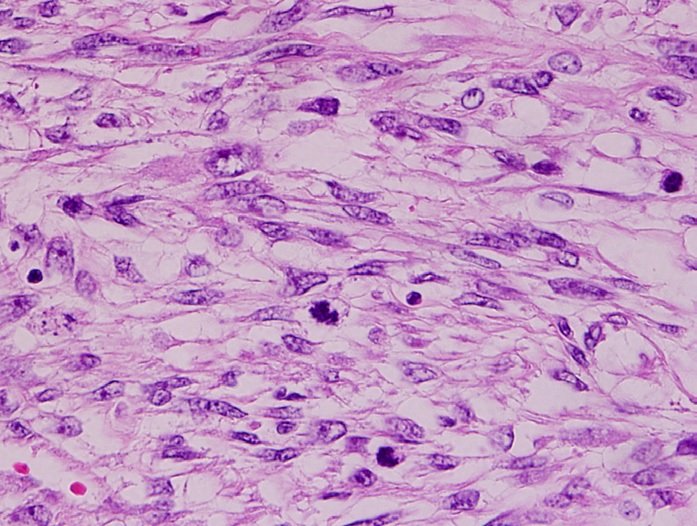
Medicine does not name a single cause for leiomyosarcoma. Ionising radiation is one of the few recognised risk factors for soft-tissue sarcomas, best documented in patients treated with radiotherapy, according to Cancer Research UK. The complaint goes further. It relies on the opinion of an oncologist who concluded that the disease arose from the officer’s stay in a zone of very high radiation. The official line, from the international assessments of the early 2000s, is that no link between depleted uranium and illness in the Balkans has been proven at the level of the population. The officer’s case asks a court to look at one man rather than a population.
Two roads to a courtroom
His was meant to be the first of five. Aleksić announced in 2021 that further suits would follow in Vranje, Niš, Kragujevac and Novi Sad. Since then, Serbian claimants have found that one road is open where the other is blocked. Claims against NATO wait on immunity. Claims against the Republic of Serbia, as the state that sent soldiers onto contaminated ground, have produced first-instance wins in Pančevo in 2025 and Vršac in 2026. In Italy, the same argument about the same Balkan ground has been accepted for hundreds of soldiers, as we reported in the Balkan syndrome cases.
We asked Srđan Aleksić
The case is Aleksić’s, so his reasoning is on the record in the complaint itself, as published in Projektili pravde (2024):
“Radioactive dust of microparticles from the combustion products of depleted uranium remained on the ground and on the leaves of the trees, so that even the slightest breeze stirred it and threw it into the air, where people could breathe it in.”
“It can be concluded unambiguously that the plaintiff, while carrying out his military duties in the designated zone, was exposed to high radioactive irradiation, and that he inhaled or swallowed radioactive dust, which after a long series of years resulted in a serious illness.”
“To date, in Italy, the judgments … which have unambiguously affirmed the causal link between the tumour pathologies of soldiers deployed in the Balkans and their service … have reached more than three hundred!”
Here is the case in practical terms, the way Aleksić lays it out. A court must be satisfied of six separate things, and they are often confused. First, that depleted uranium was present: NATO’s own list proves that for Pljačkovica. Second, that this man was exposed: the march logs, dates and barracks records do that work. Third, that he is ill: the diagnosis is not disputed. Fourth, causation: the hardest link, built from medical opinion, latency and, where possible, tissue analysis of the kind we described in What the tissue shows. Fifth, who is responsible. Sixth, whether the court may judge that defendant at all, which for NATO is the question of immunity. The officer’s file is strong on the first three. The last three are what Serbian courts have still not answered. When they do, every soldier who walked that hill will know where he stands.
Frequently asked questions
Who filed the first lawsuit against NATO over depleted uranium in Serbia?
A serving Serbian army officer with leiomyosarcoma, represented by the law office of Srđan Aleksić, at the Higher Court in Belgrade on 20 January 2021. His name has not been published.
What is Pljačkovica?
A hill above Vranje in southern Serbia, with a TV and radio mast, struck with depleted uranium in 1999 and listed among NATO’s contaminated sites.
Can NATO be sued in a Serbian court?
A claim can be filed; NATO invokes immunity as an international organisation, and no final Serbian ruling on that question has been published.
Does radiation cause leiomyosarcoma?
Ionising radiation is a recognised risk factor for soft-tissue sarcomas. Whether it caused this officer’s illness is the question the court must decide.
How long after exposure can cancer appear?
Doctors cited in Projektili pravde give five to ten years for leukaemia and lymphoma and fifteen to twenty for solid tumours. See Cancer in Serbia after 1999.
Sources
- N1, First lawsuit against NATO over depleted uranium filed in Belgrade (20 January 2021)
- Danas, Lawsuit against NATO still awaits a court decision (29 March 2021)
- Cancer Research UK, Risks and causes of soft tissue sarcomas
- UNEP, Depleted Uranium in Kosovo: Post-Conflict Environmental Assessment
- Srđan Aleksić, Projektili pravde, 2024