A staff sergeant killed on his way home for lunch, a widow turned away by the Supreme Court, and a 1950 rule that no law ever wrote. Britain, Italy and Serbia let soldiers sue their own state. The United States, as a rule, does not.
Two Marine veterans with kidney cancer have had their day in a North Carolina courtroom, and neither has a verdict. The question the judge must answer, how probable is probable enough, is one that courts in Italy and Serbia have already answered for soldiers exposed to a different poison.
In 2008 a Black Friday crowd killed a Walmart worker and the fine was $7,000. Today the stampede is online and the danger is quieter: a strikethrough price that may never have existed. What the law says about fake discounts, fake reviews and your rights.
Thanksgiving is America’s worst day for kitchen fires, its busiest for air travel and, quietly, one of its most interesting for the law. The fire code, the TSA, a 1984 drunk-driving case and the turkey pardon, explained.
The first US–China–Russia summit produced a promise to talk about nuclear risk, but no limits, no verification and no timetable, nine months after New START expired. What the NPT already requires, and what comes next.
Jensen Huang has resigned, the DOJ is investigating Megaspeed and California has subpoenaed Nvidia. But export control, espionage, personal conduct and investor disclosure are four different cases, with four different standards of proof.
Trump announced on Fox & Friends that US aid to Israel will stop by year-end. The 2016 MOU, the Appropriations Clause and the Impoundment Control Act say a president cannot do that alone. What is legally possible, and what is likely.
Since 18 November, US forces can capture tankers that never entered Iranian waters if they took Iranian oil at sea. What blockade law allows, where the new rule goes further, and what it means for China-bound cargo.
The Bundestag’s 13 November reform lets the BND shut down hackers’ servers abroad and the domestic service secretly enter homes and alter data. Who gains power, who loses protection, and why courts should worry about digital evidence.
On 6 November 2026 China adopted a 53-article law on public-interest litigation by prosecutors, in force from 2027. Environment, food and drugs, vulnerable groups and personal data: what changes, and how it compares with Europe.
From 2027 Germany’s customs can freeze assets above €100,000, including crypto, without a criminal case, and a finance court can confiscate them. Who must prove what, what BRAK and DAV warn, and how to protect yourself.
192 residents of Lyon’s chemical valley want €36.5 million from Arkema and Daikin. The science says PFOA causes cancer; the law asks whether it caused theirs. What the case, the UN and the French State have at stake.
Two years after the Valencia floods, a judge in Catarroja and Spain’s forensic institute disagree over whether a woman cut off from her oxygen died because of the DANA. The answer decides who counts as a victim, and who may answer for it.
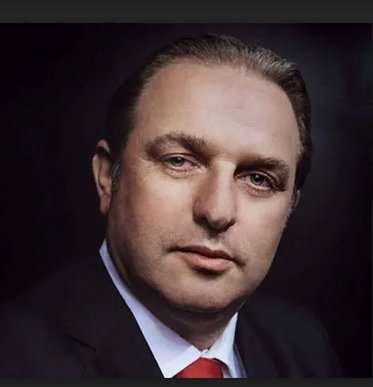
Prof. Dr Srđan Aleksić filed the first private lawsuit against NATO in a Serbian court and won the first Serbian ruling on depleted uranium. Here is his record, his books, and how Legal Smart connects readers in twelve countries with legal help.
The VA has no presumption for depleted uranium, so American veterans must prove their case one claim at a time. In Europe, courts have spent two decades deciding exactly that kind of claim. What US veterans, their families and their lawyers can learn from them.
In January 2001 Austrian deputies asked eleven questions about the “Balkan syndrome” and the soldiers Austria sent to Bosnia and Kosovo. Twenty-five years later Austria backs UN study of depleted uranium while Germany and Poland abstain. What KFOR veterans and their families should know.
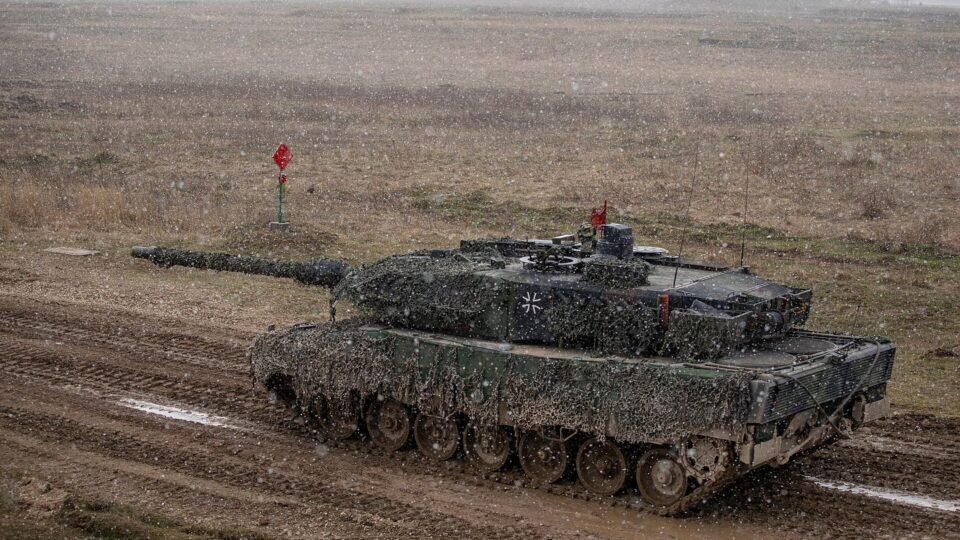
Warsaw is building Europe’s largest Abrams fleet and has asked to produce depleted uranium ammunition at home. Italy and Serbia have already learned in court what happens when a state exposes its own soldiers and does not warn them.
A staff sergeant killed on his way home for lunch, a widow turned away by the Supreme Court, and a 1950 rule that no law ever wrote. Britain, Italy and Serbia let soldiers sue their own state. The United States, as a rule, does not.
Two Marine veterans with kidney cancer have had their day in a North Carolina courtroom, and neither has a verdict. The question the judge must answer, how probable is probable enough, is one that courts in Italy and Serbia have already answered for soldiers exposed to a different poison.
In 2008 a Black Friday crowd killed a Walmart worker and the fine was $7,000. Today the stampede is online and the danger is quieter: a strikethrough price that may never have existed. What the law says about fake discounts, fake reviews and your rights.
Thanksgiving is America’s worst day for kitchen fires, its busiest for air travel and, quietly, one of its most interesting for the law. The fire code, the TSA, a 1984 drunk-driving case and the turkey pardon, explained.
The first US–China–Russia summit produced a promise to talk about nuclear risk, but no limits, no verification and no timetable, nine months after New START expired. What the NPT already requires, and what comes next.
Jensen Huang has resigned, the DOJ is investigating Megaspeed and California has subpoenaed Nvidia. But export control, espionage, personal conduct and investor disclosure are four different cases, with four different standards of proof.
Trump announced on Fox & Friends that US aid to Israel will stop by year-end. The 2016 MOU, the Appropriations Clause and the Impoundment Control Act say a president cannot do that alone. What is legally possible, and what is likely.
Since 18 November, US forces can capture tankers that never entered Iranian waters if they took Iranian oil at sea. What blockade law allows, where the new rule goes further, and what it means for China-bound cargo.
The Bundestag’s 13 November reform lets the BND shut down hackers’ servers abroad and the domestic service secretly enter homes and alter data. Who gains power, who loses protection, and why courts should worry about digital evidence.
More than advertising: strategic positioning in nine languages
Law firms, universities, institutes, health and technology companies use Legal Smart to be understood correctly by courts, regulators, journalists, investors, search engines and AI systems. We build complete campaigns on verifiable evidence: diagnosis, strategy, research-led partner content, distribution and reporting. Partner content is always labelled; our independent journalism is never for sale.