Nvidia’s Board Is Investigating Jensen Huang. What Is Proven, What Is Only Alleged, and Why a $4 Trillion Company Hangs on One Man
Jensen Huang has admitted an affair. US officials reportedly believe the woman was working for Chinese intelligence; Beijing calls that groundless. Nvidia’s shares fell more than 8 percent on reports the board will discuss his future. Legal Smart separated the facts from the allegations.
The Short Answer
Nvidia’s board opened an independent inquiry on 8 November 2026 into whether chief executive Jensen Huang was targeted by a foreign intelligence operation. Huang admitted being unfaithful to his wife. US officials reportedly believe the woman, a former Megaspeed executive, worked for Chinese intelligence; China calls this “completely groundless”, and no public evidence shows Nvidia secrets were compromised. He has not resigned.
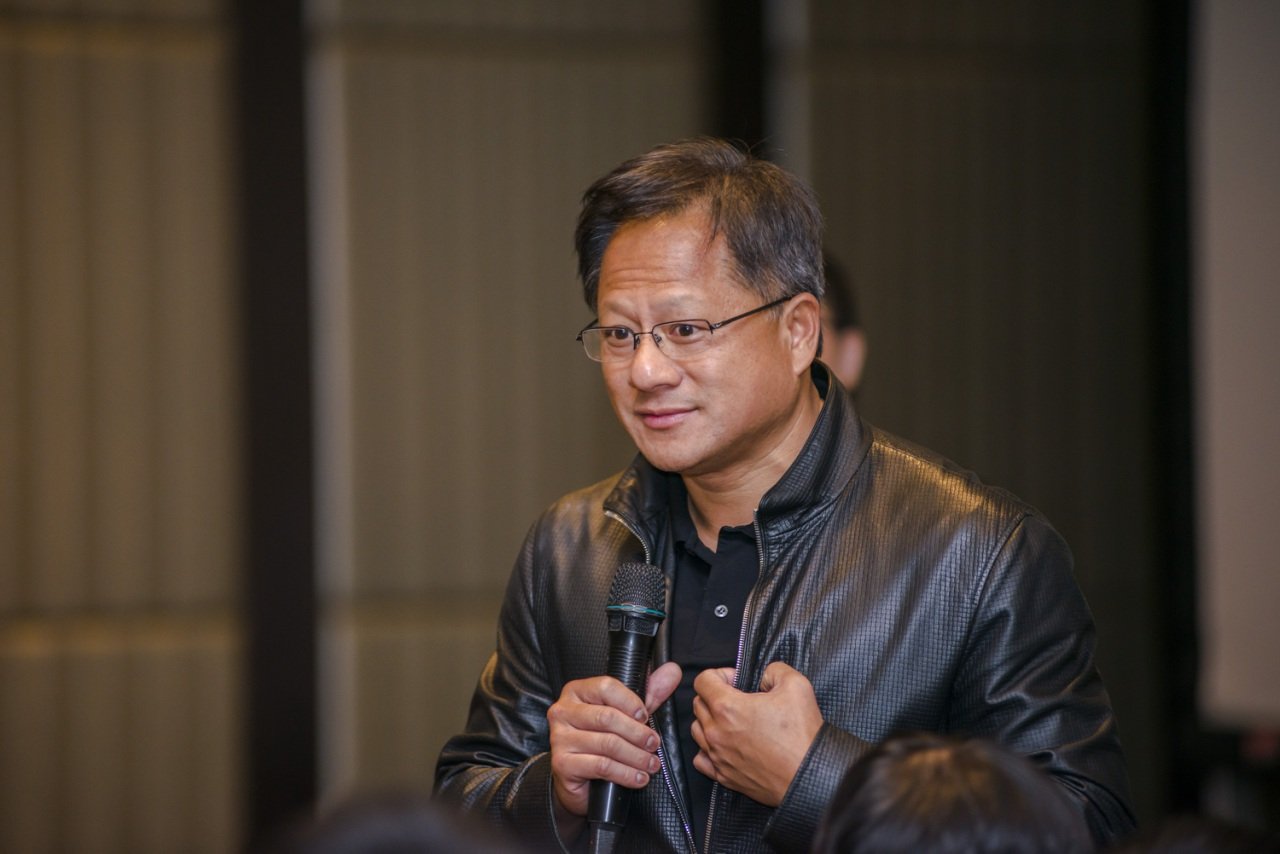
For thirty-three years Nvidia has had one face. Jensen Huang co-founded the company in 1993, wears the same black leather jacket on every stage, and has turned a maker of gaming chips into the engine of the artificial-intelligence boom and a company worth about $4.2 trillion. On Wednesday, 11 November, that face became the company’s biggest risk. Nvidia’s shares fell 8.6 percent in after-hours trading after The New York Times, The Wall Street Journal and the Financial Times reported that its board would discuss his future.
What led there is a story in which the facts and the allegations are easy to confuse. Legal Smart separated them.
Is Jensen Huang leaving Nvidia?
Not as of 12 November. Huang, 63, has not resigned and has given no sign that he will. On 8 November Nvidia’s board opened an independent inquiry, run by a committee of independent directors with outside lawyers, into whether he was targeted by a foreign intelligence operation. The same day Huang told employees he had been “unfaithful” to his wife, apologised, and promised to cooperate. The board said it had no reason to believe US national security or confidential Nvidia information had been compromised, and that it still had confidence in him. Reports that Nvidia was preparing to part ways with him remain unconfirmed.
Who is Alice Huang, and what is the China allegation?
Media reports identify the woman as Alice Huang, a former executive of Megaspeed, a Singapore-based data-centre company. A New York Times investigation published on 29 October cited US intelligence assessments that she had been recruited by China’s Ministry of State Security to gather information about Huang and to push him towards looser rules on chip sales to China, Al Jazeera reported. US officials have not published evidence for that assessment. She has not commented. China’s foreign ministry spokesperson, Guo Jiakun, called the espionage claims “completely groundless”.
The commercial link is the part that interests investigators most. Megaspeed reportedly bought more than $4.8 billion of Nvidia chips over about two years, and has been under scrutiny over suspicions that it helped Chinese customers reach processors restricted by US export controls. It denies wrongdoing. Singaporean authorities say their inquiries into Megaspeed are continuing, but that they did not investigate Alice Huang over the alleged intelligence links.
What is proven, and what is only alleged
| Claim | Status | Basis |
|---|---|---|
| Huang had an extramarital relationship | Admitted | His message to employees, 8 November |
| The woman worked for Chinese intelligence | Alleged, denied | US intelligence assessments reported by the NYT; China calls it groundless |
| Nvidia secrets reached Beijing | No public evidence | Nvidia says nothing indicates it |
| Huang’s decisions were influenced | Unproven | Questions raised over Megaspeed sales |
| Restricted chips were diverted via Megaspeed | Under inquiry | Singapore and US scrutiny; Megaspeed denies |
| Huang will leave | Unconfirmed | Board to discuss; no announcement |
Sources: Nvidia, Al Jazeera, eeNews Europe, The New York Times as cited by Al Jazeera.
Washington’s reaction
President Donald Trump confirmed that the FBI was looking into the matter but called Huang an “honourable guy”. Republican Senator Kevin Cramer called on him to resign, citing the risk of extortion. Three Republican House committee chairmen, Brian Mast, John Moolenaar and Rick Crawford, asked him to attend a closed-door briefing on 18 November, and Mast said he would issue a subpoena if Huang did not answer. Huang has lobbied for years for easing US limits on chip exports to China, arguing that restrictions only accelerate China’s own chip industry. That puts him at odds with security hawks in Washington, and it is why the allegation lands with such force.
A company built around one man
The market reaction says as much about governance as about scandal. Analysts have long noted that Nvidia has no publicly named successor. Dan Ives of Yorkville Ives put the stock’s value at $300 a share with Huang in charge and $225 without him. Jay Goldberg of Seaport Research Partners said replacing him would be very difficult. That difference, roughly a quarter of the company’s value, is what investors call key-person risk, and boards are legally expected to plan for it.
For how AI money is reshaping markets and jobs, read The AI bubble and Microsoft’s buyouts.
What would have to be proven
Legal Smart’s rule for stories like this is the same as for any case: name the object of proof. Here there are five, and they are different.
- That the relationship happened: admitted.
- That Alice Huang worked for a foreign intelligence service: alleged by unnamed US officials, denied by China, no public evidence.
- That information passed to her or through her: no evidence published, denied by Nvidia.
- That Huang made business decisions because of the relationship: a question, not a finding.
- That any export law was broken: a matter for the Megaspeed inquiries, not yet decided.
An admitted affair is not espionage, and an intelligence assessment is not proof. The only fact on the record today is the first one. Everything else depends on evidence that has not yet been shown to the public, and on the 18 November briefing, if it happens.
Frequently asked questions
Why did Nvidia shares fall?
They dropped 8.6 percent after hours on 11 November after reports that the board would discuss Jensen Huang’s future following his admission of an affair and reported spy allegations.
Who is Alice Huang?
A former executive of Singapore-based data-centre company Megaspeed, identified by media as the woman involved. She has not commented.
Did China spy on Nvidia?
US officials reportedly believe she was recruited by China’s Ministry of State Security. China denies it, and no public evidence has been released.
Is Jensen Huang under investigation?
Nvidia’s board opened an independent inquiry on 8 November; the FBI is looking into the matter, according to President Trump; and House committees have asked him to a briefing.
Who could replace Jensen Huang?
Nvidia has not named a successor, and analysts say it is unclear whether a public succession plan exists.
Sources
- Al Jazeera, Nvidia shares plunge amid reports board to discuss CEO Huang’s future (12 November 2026)
- Al Jazeera, What could Chinese intelligence have learned from Nvidia CEO’s affair? (12 November 2026)
- eeNews Europe, Nvidia board investigation into Jensen Huang (9 November 2026)
- The Source Code, Nvidia shares fall as board reviews Huang’s ties