Democrats Just Took Congress. Can They Stop Trump’s War With Iran?
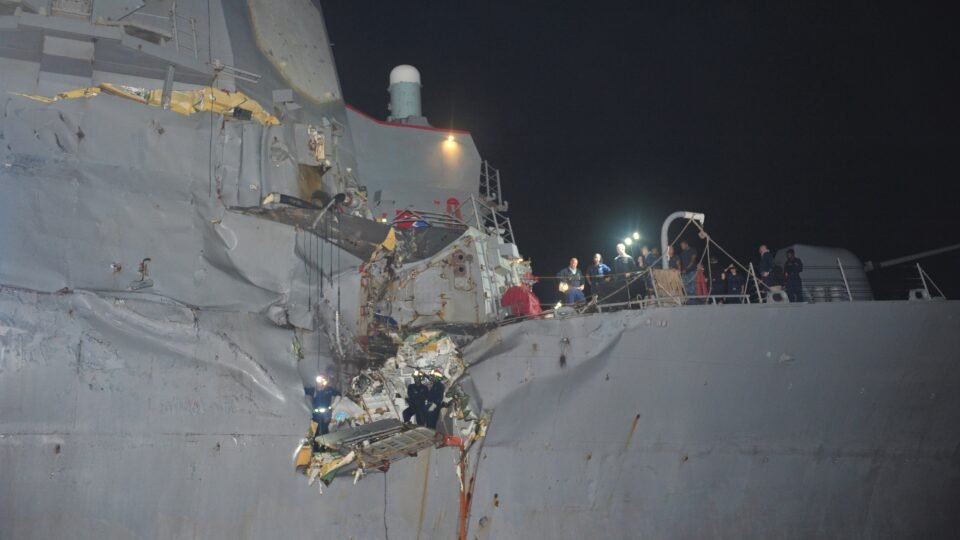
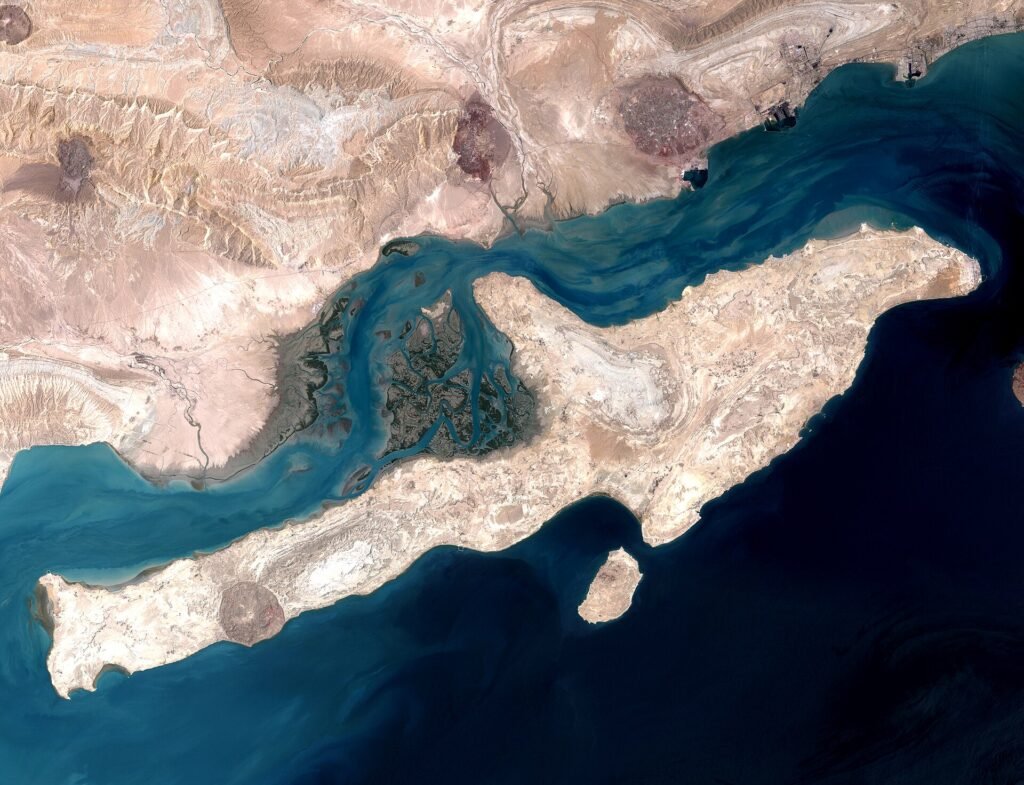
Hours before Americans voted, US forces struck Qeshm Island in the Strait of Hormuz. A day later, Democrats had won both chambers. The Constitution gives Congress the power to declare war and to pay for it. A 1973 law gives it a clock. Here is what a Democratic Congress can actually do about the Iran war, and why the hardest number in Washington is two-thirds.
La réponse courte
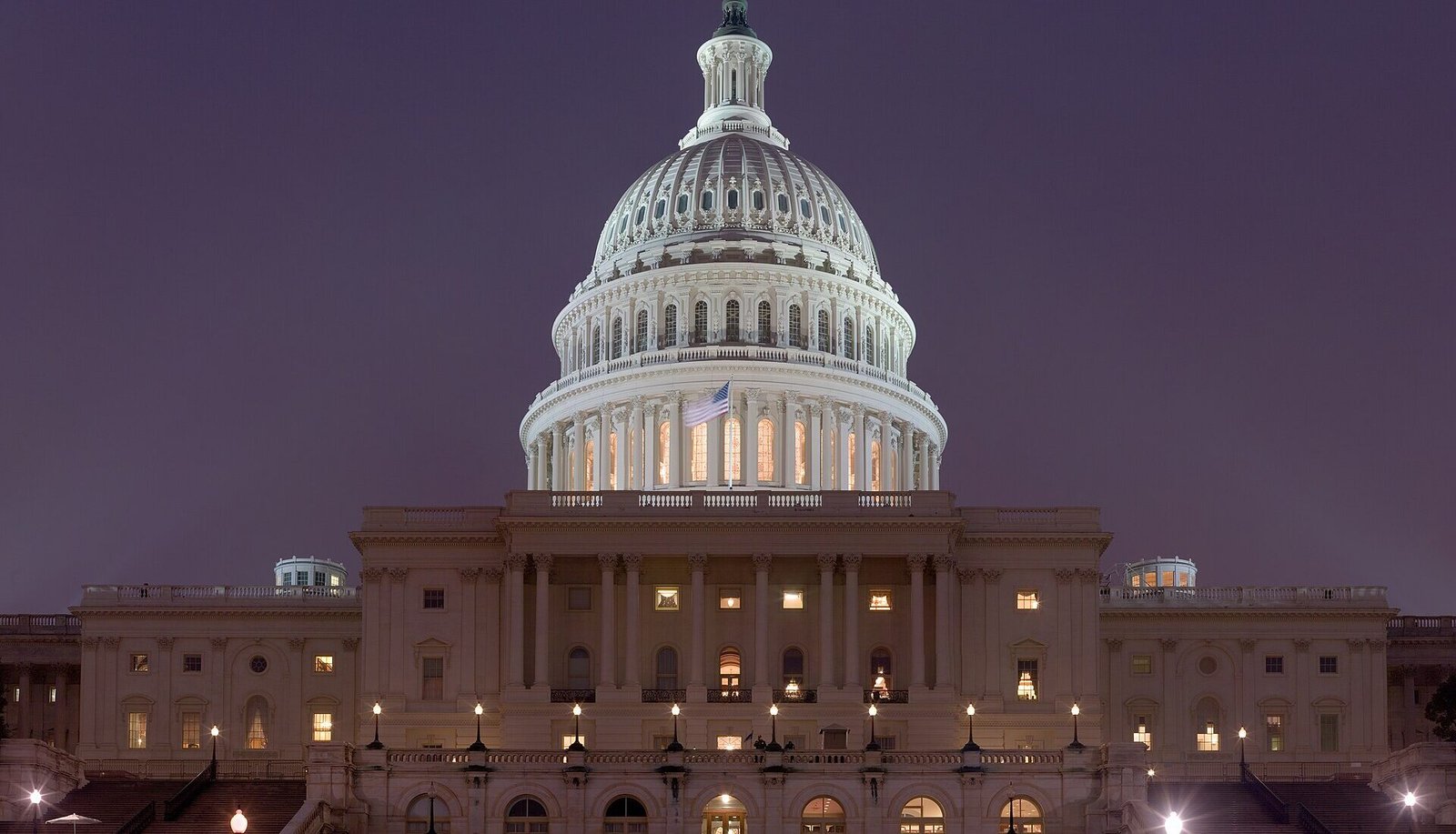
Legally, yes; politically, only partly. The Constitution gives Congress the power to declare war and to fund it, and the 1973 War Powers Resolution requires forces to be withdrawn after 60 days without authorisation. But a resolution ordering an end to the war needs the president's signature or a two-thirds override in both chambers. Democrats, who won both chambers on 3 November, have their strongest lever in the budget: they can refuse to fund the war from January.
On the night before Americans voted, explosions were reported on two islands in the Strait of Hormuz. Iranian state media named Qeshm and Hengam, and the mainland port of Bandar Abbas. A US official said the targets were Iranian surface-to-air missile crews firing at American forces. President Donald Trump called it “a minor attack” and told Fox News: “We hit it last night very nicely.”
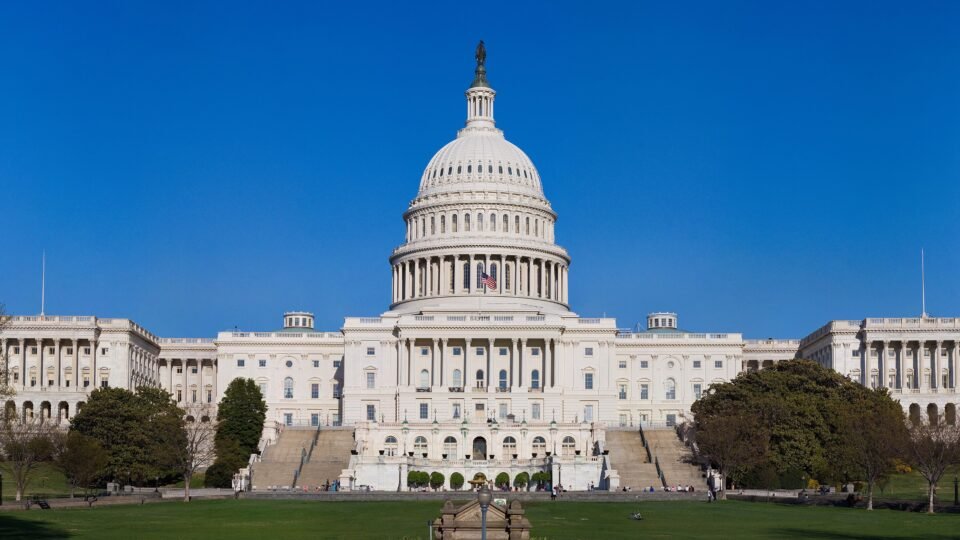
Twenty-four hours later the war had a new audience. Democrats won control of both the House and the Senate, according to an NPR analysis of Associated Press race calls, flipping seven Republican Senate seats from North Carolina to Maine. Hakeem Jeffries is expected to become Speaker, Chuck Schumer Senate majority leader. And Trump had already announced how he would meet them: “I’ll become Mr. Veto.”
So can the new Congress end a war that began on 28 February, closed the world’s most important oil chokepoint and has shadowed every petrol pump from Belgrade to Boston? Legal Smart went back to the documents that answer that question: the Constitution, a 1973 statute that every president since Nixon has resented, and a Supreme Court ruling most voters have never heard of.
Can Congress stop the war with Iran?
On paper, Congress holds the strongest cards. Article I of the Constitution gives it, not the president, the power “to declare War” and to raise and pay for armies. The War Powers Resolution of 1973, passed over Richard Nixon’s veto after Vietnam, adds a stopwatch: the president must report to Congress within 48 hours of sending forces into hostilities, and must withdraw them within 60 days, plus 30 days for withdrawal, unless Congress authorises the war.
By that arithmetic, the clock started by the first strikes on 28 February ran out at the end of April. Congress never passed an authorisation for this war. Whether the White House accepts that the clock applies to a campaign it describes as limited strikes and self-defence is exactly the kind of question a Democratic Congress can now ask, under oath, in committee.
The number that matters: two-thirds
Here the paper meets the politics. The 1973 law originally let Congress end a war by a simple vote of both chambers that the president could not veto. In 1983 the Supreme Court struck down that kind of “legislative veto” in INS v. Chadha. Today, a resolution ordering US forces out of hostilities must be signed by the president, or survive his veto with two-thirds of both the House and the Senate.
Democrats will not have two-thirds. “Mr. Veto” is not a slogan here; it is the legal end of the road for any war powers resolution that Republicans do not join.
| Congress and the Iran war | |
|---|---|
| War began | 28 February 2026 |
| War Powers Resolution 60-day clock | ran out at the end of April |
| Congressional authorisation for this war | none |
| Senate seats flipped by Democrats on 3 November | 7 |
| Votes needed to override a veto | two-thirds of both chambers |
| New Congress takes office | 3 January 2027 |
| Annual appropriations bills to be negotiated | 12 |
Sources: US Constitution; War Powers Resolution (50 U.S.C. 1541–1548); NPR/AP race calls via KUT; AP via OPB.
The power that does not need a signature
The lever Democrats do control is money. Every dollar the Pentagon spends must be appropriated by Congress, and the 12 annual spending bills now require Democratic votes. Congress has used that power to end wars before. In 1973 the Case–Church Amendment cut off funding for US combat in Indochina. In the 1980s the Boland Amendment barred funds for the Contras in Nicaragua, a limit the Iran-Contra affair later showed officials trying to evade.
A funding limit can still be vetoed, but it can be written into must-pass spending bills that keep the government open, which changes the bargain. It is the most realistic path, and also the slowest: the new Congress does not sit until 3 January.
What a Democratic Congress can do before then
Oversight starts sooner than legislation. Democrats have signalled investigations into the independence of federal agencies and the president’s business interests; the war is the obvious next file. Committees can demand the legal opinion that justified fighting past 60 days, the target lists and the civilian casualty assessments, including the strike on a girls’ school in Minab on the first day of the war, which Legal Smart examines in a separate investigation.
Meanwhile diplomacy is moving on its own track. Vice President JD Vance said the US had “made some progress” in talks mediated by Qatar. Iran’s chief negotiator, Mohammad Bagher Ghalibaf, said the “ball is now in America’s court to prevent war”, and a senior Iranian official said Tehran could reopen Hormuz within two days if its conditions were met. We set out those conditions in what Iran wants for Hormuz and the two realistic endings in our scenarios.

Europe, the Middle East and America
Europe has its own version of this test. In 2013 the British Parliament voted against military action in Syria and the government stood down, a precedent that still shapes how European leaders seek consent for force. Europe also pays the war’s bill at the pump, as our report on oil prices and Hormuz shows.
The Middle East watches Washington’s internal arithmetic closely. Gulf states that host US bases, and Israel, which has pressed for renewed strikes, will read every war powers vote as a signal of how long American support lasts.
America is relearning a constitutional lesson it last argued over Libya in 2011 and Yemen in 2019, when Congress passed war powers resolutions that presidents vetoed. The difference now is that the opposition controls the purse.
The verdict
Can Democrats stop the war? They cannot order it to end on their own. They can make it far harder to continue: by refusing to fund it, by putting the legal case for it on the record, and by raising the political price of every new strike. The Constitution never promised that Congress could win a war powers fight quickly. It promised that Congress would be in the room. From January, it is.
Frequently asked questions
Can Congress stop the war with Iran?
Congress can pass a resolution ordering an end to US hostilities, but the president can veto it; overriding needs two-thirds of both chambers. Its strongest tool is refusing to fund the war.
What is the War Powers Resolution?
A 1973 law requiring the president to report to Congress within 48 hours of committing forces to hostilities and to withdraw them within 60 days (plus 30) unless Congress authorises the action.
Did Democrats win the House and the Senate in 2026?
Yes. Democrats won control of both chambers in the 3 November 2026 midterms, according to NPR’s analysis of AP race calls.
When does the new Congress take office?
On 3 January 2027.
Why did the US strike Qeshm Island?
A US official said the strikes targeted Iranian forces firing surface-to-air missiles at US forces in the Strait of Hormuz. Trump called it a “minor attack”.
Has Congress ever cut off funding for a war?
Yes. The 1973 Case–Church Amendment ended funding for US combat in Indochina, and the 1980s Boland Amendment restricted funds for the Nicaraguan Contras.
Sources
- KUT/NPR, Democrats win full control of Congress (4 November 2026)
- AP via OPB, US strikes in the Strait of Hormuz create more questions (3 November 2026)
- AFP via Al-Monitor, US signals progress in Iran talks (2 November 2026)
- War Powers Resolution, 50 U.S.C. 1541–1548 (Cornell LII)
- INS v. Chadha, 462 U.S. 919 (1983)