The Uranium Buried Near Sarajevo Was Expected to Dissolve Within 35 Years. That Clock Is Almost Up
Before Kosovo, there was Bosnia. In 1994 and 1995 NATO fired about 10,000 depleted uranium rounds at targets around Sarajevo and in Republika Srpska. In 2003 the UN found the first recorded case of uranium in drinking water, airborne uranium inside buildings still in use, and penetrators corroding into the soil. Legal Smart went back to the forgotten file of Hadžići and Han Pijesak.
La respuesta breve
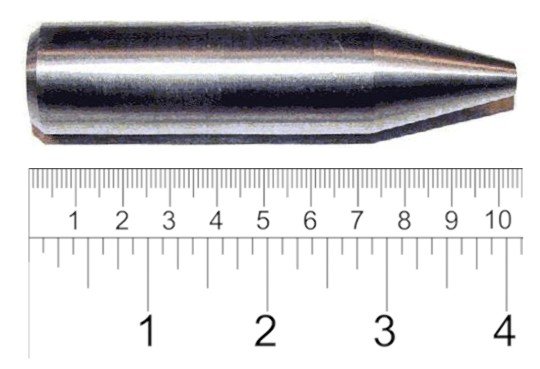
Yes. During NATO air strikes in 1994 and 1995, about 10,000 depleted uranium rounds containing roughly 2.75 tonnes of uranium were fired in Bosnia and Herzegovina, according to figures cited in Projektili pravde (2024). In 2003 UNEP confirmed contamination at three sites, the Hadžići tank repair facility, the Hadžići ammunition store and the Han Pijesak barracks, found uranium in one drinking water source and in the air of buildings still in use, and warned buried penetrators would corrode completely within 25 to 35 years.
When the United Nations Environment Programme sent its scientists into Bosnia and Herzegovina in the autumn of 2002, they were looking for something that had been fired seven years earlier and largely forgotten. They found it. And among their findings was one sentence with a deadline in it: the uranium penetrators buried in the soil had lost a quarter of their mass in seven years and were expected to corrode completely within 25 to 35 years.
The strikes were in 1995. The clock is almost up. Where did the uranium go?
Was depleted uranium used in Bosnia?
Yes, and before Kosovo. During NATO air operations in 1994 and 1995, about 10,000 depleted uranium rounds carrying roughly 2.75 tonnes of uranium were fired at armoured and military targets in Bosnia and Herzegovina, according to figures cited in Projektili pravde (2024), the book by the Niš lawyer and doctor of law Srđan Aleksić. The book records the human toll of the 1995 campaign, Operation Deliberate Force, on the Bosnian Serb side: at least 46 soldiers killed and 98 wounded, at least seven civilians killed and 21 wounded, and 1,026 bombs dropped on Republika Srpska, including 13 cruise missiles.
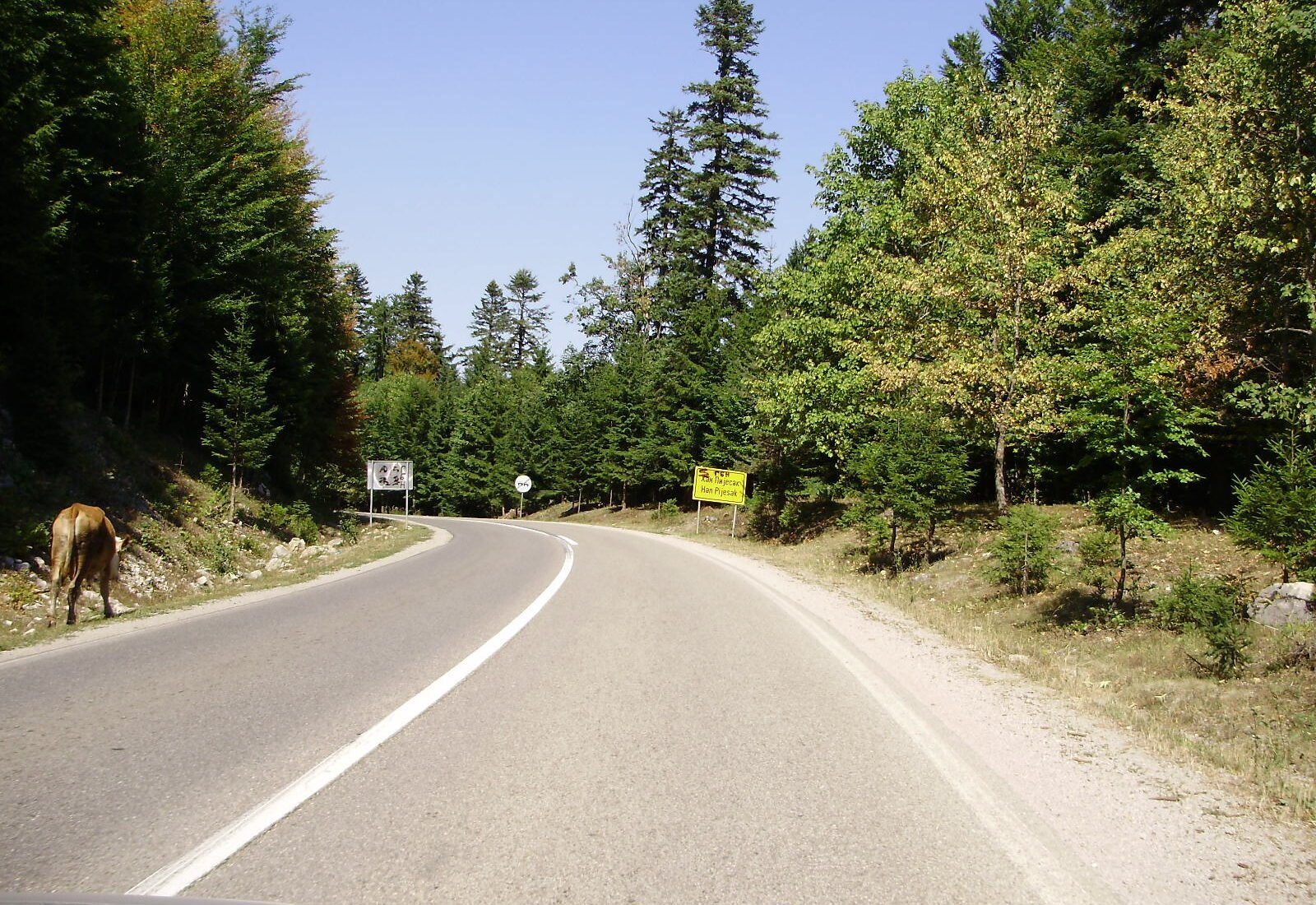
UNEP’s team investigated 15 sites. It confirmed depleted uranium contamination and weapon fragments at three: the Hadžići tank repair facility, the Hadžići ammunition storage area and the Han Pijesak barracks, the press release announcing the report in March 2003 stated.

What the UN found
The headline findings were cautious; the details were not reassuring.
| UNEP findings in Bosnia, 2003 | |
|---|---|
| Sites investigated | 15 |
| Sites with confirmed DU contamination | 3 (Hadžići x2, Han Pijesak) |
| Drinking water | DU found in one source, at very low levels |
| Air | DU dust found at two sites, including inside two buildings still in use |
| Penetrators in soil | lost 25% of mass in 7 years |
| Expected full corrosion | 25 to 35 years |
| Attack sites with missing coordinates | 6 |
Sources: UN press release on the UNEP report (25 March 2003); UNEP/IAEA report.
The drinking water finding was the first recorded case of depleted uranium contaminating groundwater, UNEP said, caused by corroding penetrators leaching into the soil. Airborne uranium inside buildings meant that wind and human activity could stir it back into the air people breathe. UNEP’s executive director Klaus Toepfer said the findings “must not be seen as a cause for alarm,” but recommended precautions: monitor water, decontaminate buildings, remove penetrators, cover contamination points, keep records, investigate all health claims, and obtain the coordinates of six confirmed attack sites that NATO had not provided.
On health, the World Health Organization said claimed increases in illness could not be substantiated, partly because Bosnia had no proper cancer registry. In other words, the absence of evidence was itself a product of missing data.
What the book adds
Projektili pravde records claims that go further than the UN. It states that, years later, plutonium-239 and uranium-236, markers of material that has passed through a nuclear reactor, were found in soil and in people suffering from severe cancers, and that Republika Srpska “still bears evident scars.” These are the book’s claims, drawn from the sources it cites; UNEP’s own Balkan reports had already found traces of plutonium in some depleted uranium samples in Kosovo, which shows that such impurities are not a fringe idea.
The legal significance is the one the book keeps returning to. Corrosion is not disappearance. A penetrator that dissolves into soil and groundwater does not stop being a source of exposure; it becomes harder to find. A site that was never mapped, never fenced and never monitored becomes, after thirty years, a site whose risk cannot be proved either way.
Europe, the Middle East and America
Europe learned of the “Balkan syndrome” through its own soldiers, and Italian courts have since ruled for more than 300 of them, as we report in how Italian courts judged depleted uranium. Many had served in Bosnia.
The Middle East shows what happens when corrosion meets neglect: in Iraq, contaminated wrecks were cut up and sold as scrap.
America fired the rounds and, as in Kosovo, left gaps in the coordinates it handed over.
The questions that remain
Was the drinking water at Hadžići monitored for “several years,” as UNEP recommended? Were the buildings decontaminated? Were the six missing coordinates ever supplied? Legal Smart has found no public record answering any of these questions. With the corrosion clock UNEP described now running out, the window for measuring what happened to Bosnia’s uranium is closing at the same time as the uranium itself disappears into the ground. For the full map of 1999, see where NATO’s uranium fell.
Frequently asked questions
Was depleted uranium used in Bosnia?
Yes. About 10,000 rounds containing roughly 2.75 tonnes of depleted uranium were fired during NATO air operations in 1994 and 1995, according to figures cited in Projektili pravde.
Where was depleted uranium found in Bosnia?
UNEP confirmed contamination in 2003 at the Hadžići tank repair facility, the Hadžići ammunition storage area and the Han Pijesak barracks.
Was depleted uranium found in drinking water?
Yes, at very low levels in one source in Bosnia, the first recorded case of depleted uranium contaminating groundwater, according to UNEP.
How long does depleted uranium take to corrode in soil?
UNEP found buried penetrators lost 25% of their mass in seven years and estimated they would corrode completely within 25 to 35 years.
Did depleted uranium cause cancer in Bosnia?
WHO said claimed increases could not be substantiated, partly because there was no proper cancer registry. Projektili pravde reports findings of plutonium-239 and uranium-236 in people with severe cancers.
What was Operation Deliberate Force?
NATO’s 1995 air campaign against Bosnian Serb forces, during which 1,026 bombs were dropped on Republika Srpska, according to figures in Projektili pravde.
Sources
- Srđan Aleksić, Projektili pravde, Niš, 2024 (section on Republika Srpska)
- UN press release, UNEP report on depleted uranium in Bosnia and Herzegovina (25 March 2003)
- UNEP, Depleted Uranium in Bosnia and Herzegovina: Post-Conflict Environmental Assessment (IAEA copy)
- Down To Earth, Depleted uranium in Bosnia’s water