The Missing Emissions: COP31 Opens in Antalya While the Carbon Cost of War Stays Off the Books
Fourteen days of war in Iran produced more than five million tonnes of CO2. Four years in Ukraine, about as much as France emits in a year. None of it has to appear in the climate reports governments bring to COP31. Legal Smart followed the loophole from Kyoto to Antalya, and to a legal idea that could close it: ecocide.
The Short Answer
Mostly no. The 1997 Kyoto Protocol excluded emissions from international military operations, and although the Paris Agreement dropped that formal exemption, it does not require countries to report military emissions. Estimates cited ahead of COP31 put the first 14 days of the Iran war at more than 5 million tonnes of CO2-equivalent, Ukraine's four years of war at about 311 million tonnes, and Gaza at over 33 million tonnes including reconstruction.
Somewhere in the paperwork that 190-odd governments bring to Antalya this month, there is a blank space. It sits where the tanks, warships, fighter jets and burning oil terminals of their wars should be. It is not an accident. It is a rule, written in 1997, and nobody has ever properly erased it.
COP31, the UN climate summit hosted by Turkey with Australia presiding over the negotiations, opens with the world’s fastest-growing source of emissions doing what it has always done at these meetings: staying out of the room.
Do military emissions count in climate targets?
Mostly, they do not. Under the 1997 Kyoto Protocol, emissions from international military operations and military bunker fuels were excluded from national reporting. IPCC guidelines then allowed domestic military emissions to be folded into civilian categories, making them almost impossible to separate. The Paris Agreement dropped the formal exemption, but it still does not require countries to report military emissions in their climate plans, according to an analysis by the Turkish think tank SETA.
The result is visible in the latest filings. The United States, the world’s largest military spender, did not submit an emissions inventory in 2025 after leaving the UN climate process. China reported its military emissions as “not occurring.” Together the two account for about half of global military spending.

What the wars of 2026 are emitting
Researchers outside government have started to fill the blank. The numbers they produce are estimates, built from satellite images, damage reports and fuel models, but they are the only ones anyone has.
| War emissions (estimates) | |
|---|---|
| Iran war, first 14 days | over 5 million tonnes CO2e |
| of which buildings and infrastructure | about 2.4 million t |
| of which oil facility and tanker fires | about 1.88 million t |
| Ukraine, four years of war | about 311 million t (roughly France’s annual emissions) |
| Gaza, including reconstruction | over 33 million t |
| Environmentally significant incidents in Iran war (to 10 March) | over 300 |
Sources: estimates compiled by SETA from CCI, the Initiative on GHG Accounting of War, a study in One Earth and CEOBS.
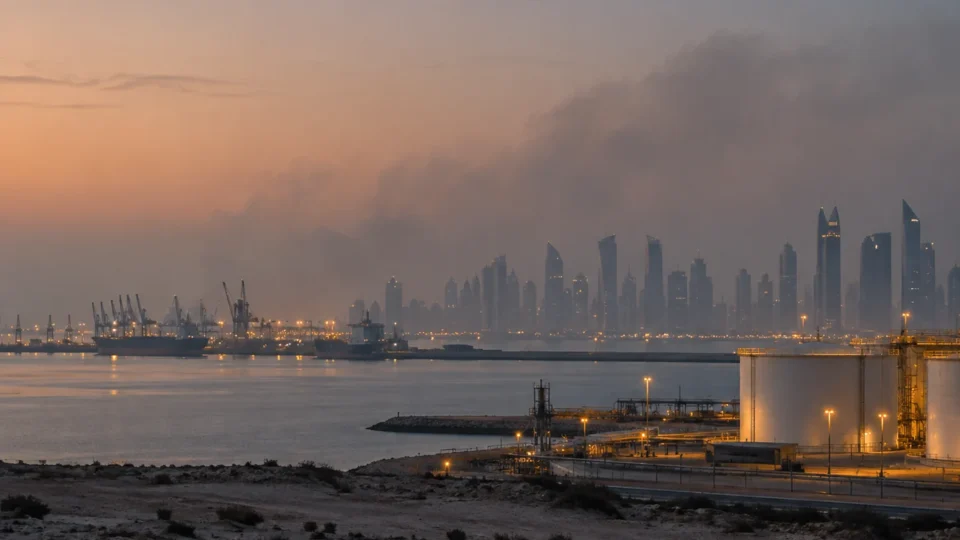
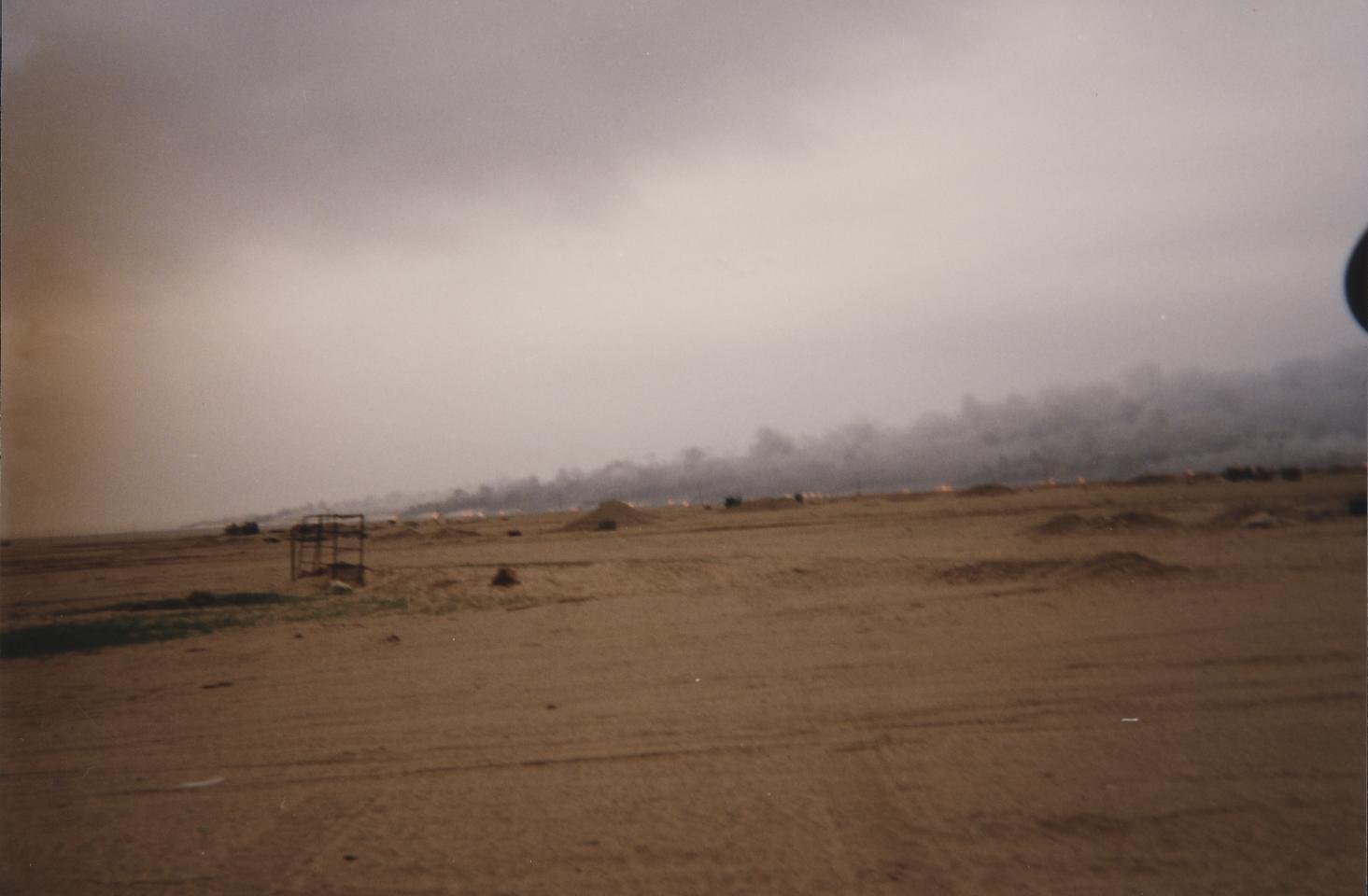
Behind each figure is something more concrete than carbon. When an oil depot burns, it releases soot, sulphur and heavy metals over cities. When a desalination plant or a chemical site is hit, the damage outlives the ceasefire. Legal Smart documented that pattern after the strikes on Doha and Dubai and the attack on Ras Laffan, and it echoes the Kuwaiti oil fires of 1991, still the textbook case of war as environmental catastrophe.
The legal idea that could change the ledger
If carbon accounting cannot see war, can criminal law? That is the question at the heart of ecocide, a concept examined in depth in the latest book by Serbian lawyer and doctor of law Srđan Aleksić on ecocide in international and national criminal law.
The book starts from what already exists. The Rome Statute of the International Criminal Court already treats as a war crime an attack launched in the knowledge that it will cause “widespread, long-term and severe damage to the natural environment” clearly excessive to the military advantage expected. Aleksić lists the wartime acts that can fall within that framework, from using poisons that contaminate air, water and soil, to destroying property that protects the environment without military necessity.
The book then turns to the definition proposed in 2021 by an independent expert panel convened by the Stop Ecocide Foundation: “unlawful or wanton acts committed with knowledge that there is a substantial likelihood of severe and either widespread or long-term damage to the environment being caused by those acts.” Adding such a crime to the Rome Statute is a proposal, not yet law. But it would move environmental destruction from the footnotes of war to the charge sheet.
The problem it addresses is the same one COP31 faces from the other side. Climate diplomacy measures emissions and ignores war. War crimes law punishes violence and has, in practice, almost never punished damage to nature. What falls between the two is the burning oil field.

Europe, the Middle East and America
Europe has gone furthest in law. The EU’s revised environmental crime directive, adopted in 2024, covers conduct “comparable to ecocide,” and several European states have debated making ecocide a national crime. Its armies, though, remain largely outside climate reporting.
The Middle East is where the cost is landing now: burning tankers in the Gulf, damaged energy sites in Iran and Qatar, and the dust of war over Gaza and Lebanon, which we examined in the health risks of war dust.
America has moved in the opposite direction, leaving the UN climate process and filing no inventory at all, even as its military remains the world’s largest institutional consumer of oil.
What to watch in Antalya
Watch whether any delegation tables military emissions reporting as a formal agenda item, and whether the Pacific island states that Australia has promised to champion connect their climate losses to the fuel burned by the wars around them. And watch the language on loss and damage: if conflict-driven destruction is ever counted there, the blank space in the paperwork will finally have a number.
Read more on Legal Smart
- America’s First Bird Flu Death of 2026 Came From a Dairy Farm. How Many Workers Were Tested? Nobody Will Say
- 10,000 Cases and No Vaccine: Inside the Ebola Outbreak the World’s Best Shot Was Never Built For
- America Is About to Lose Its Measles-Free Status. The Verdict Comes Next Week, and Europe Already Knows How It Feels
- China Turned Thorium Into Fuel. The Nuclear Future Is Being Built in the East
Frequently asked questions
Do military emissions count in national climate targets?
Mostly no. The Kyoto Protocol excluded international military operations, and the Paris Agreement does not require countries to report military emissions, though they may do so voluntarily.
How much CO2 has the Iran war produced?
An estimate cited ahead of COP31 puts the first 14 days at more than 5 million tonnes of CO2-equivalent, much of it from destroyed buildings and burning oil facilities.
What are the emissions of the war in Ukraine?
About 311 million tonnes of CO2-equivalent over four years, according to the Initiative on GHG Accounting of War, comparable to France’s annual emissions.
What is ecocide?
Unlawful or wanton acts committed with knowledge of a substantial likelihood of severe and widespread or long-term damage to the environment, in the definition proposed by an expert panel in 2021. It is not yet a crime under the Rome Statute.
Where and when is COP31?
COP31 takes place in Antalya, Turkey, in November 2026, with Australia presiding over the negotiations.
Is damaging the environment in war already a war crime?
Yes, in narrow cases. The Rome Statute covers attacks launched knowing they will cause widespread, long-term and severe environmental damage clearly excessive to the military advantage, a very high threshold.
Sources
- SETA, COP31 and the US/Israel–Iran war: the place of wars in climate negotiations
- Srđan Aleksić, book on ecocide in international and national criminal law (English translation, Legal Smart archive)
- Rome Statute of the International Criminal Court, Article 8
- Stop Ecocide Foundation, legal definition of ecocide (2021)
- CEOBS, Conflict and Environment Observatory