112 Sites, 15 Tonnes, 13 Shells Still in the Sea: The Map of Where NATO’s Uranium Fell in 1999
NATO admitted firing 31,000 depleted uranium rounds and listed 112 sites. Serbian experts say they found a 113th. Five sites were cleaned; 107 in Kosovo were never touched. Villages in southern Serbia emptied. Legal Smart reconstructed the map from the record, and found how much of it is still blank.
The Short Answer
NATO acknowledged 112 sites hit with depleted uranium in 1999, almost all in Kosovo, plus sites in southern Serbia and on Montenegro's Luštica peninsula. It admitted firing about 31,000 30mm rounds, roughly 10 to 15 tonnes of uranium; Yugoslav army estimates were 45,000 to 51,000 rounds. Four sites in southern Serbia (Pljačkovica, Borovac, Bratoselce, Reljan) and Luštica were decontaminated; the 107 Kosovo sites were not, according to Projektili pravde (2024).
Every war leaves a map. Usually it is drawn by the victors, and usually it is incomplete. The map of where depleted uranium fell on Yugoslavia in the spring of 1999 is both, and twenty-seven years later parts of it are still blank.
Legal Smart reconstructed it from the record: NATO’s own admissions, the reports of the UN Environment Programme, and the material collected in Projektili pravde (2024), the book in which the Niš lawyer and doctor of law Srđan Aleksić assembles the evidence on the bombing and its consequences. What emerges is a picture of 112 acknowledged sites, at least one that was never acknowledged, five that were cleaned, and more than a hundred that were not.
Where was depleted uranium used in Serbia and Kosovo?
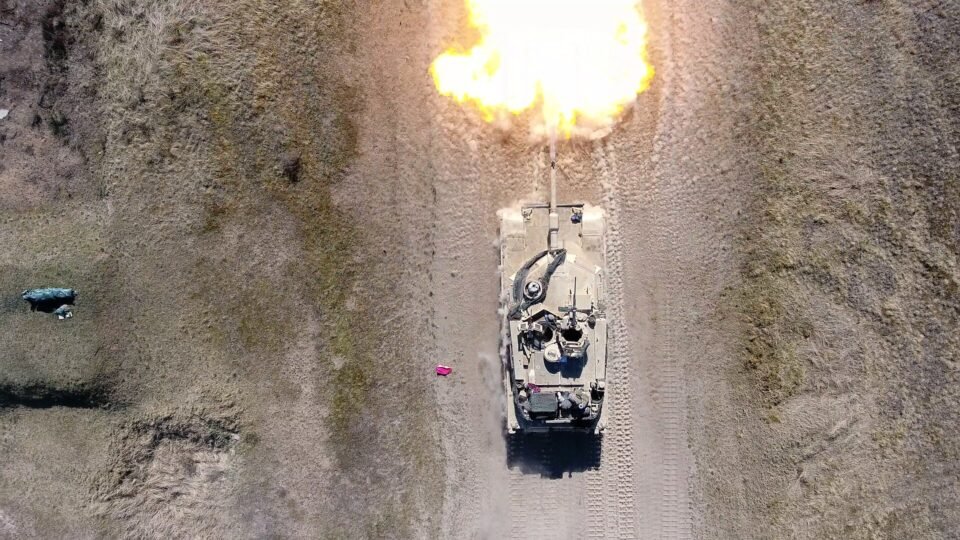
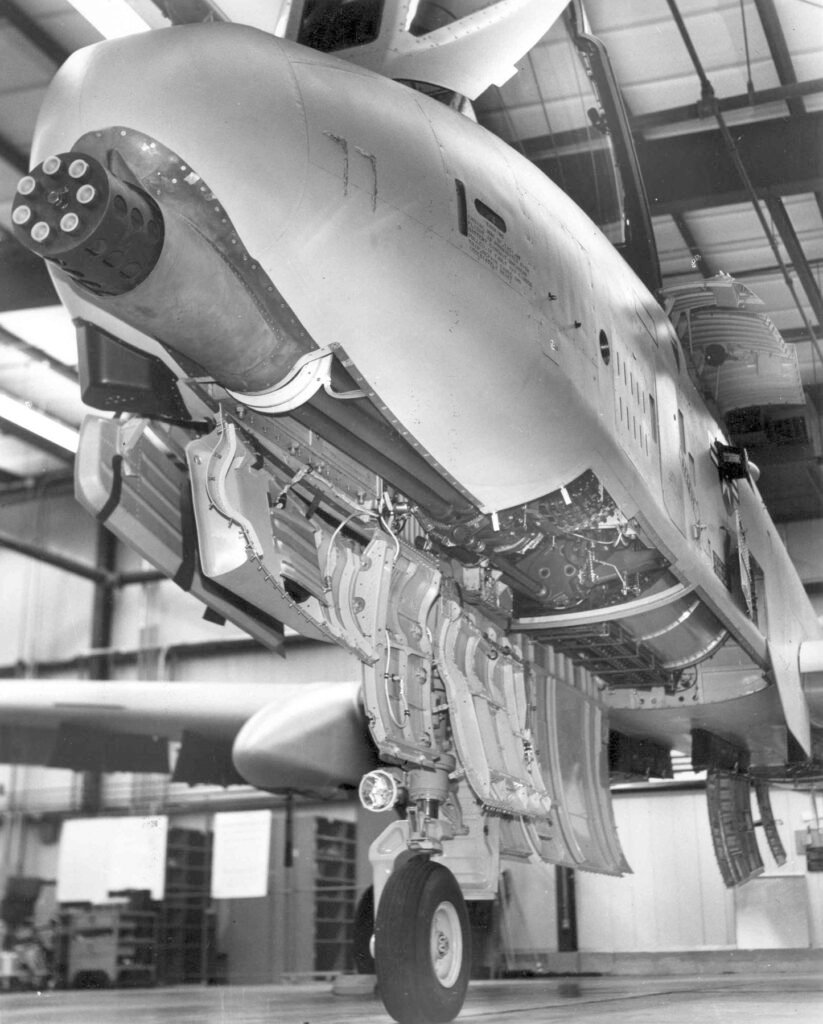
NATO acknowledged 112 locations contaminated with depleted uranium. Almost all of them lie in Kosovo and Metohija; the rest are in southern Serbia around Vranje and the Preševo valley, and on the Luštica peninsula in Montenegro. According to its own admission, NATO fired about 31,000 rounds of 30mm depleted uranium ammunition, each penetrator weighing 297 grams, mostly from A-10 aircraft. The book records that Yugoslav army estimates ran to 45,000 to 51,000 rounds, and Russian experts spoke of about 90,000. Serbian experts, it says, found a 113th site that never appeared on NATO’s list.
The total mass most often given for southern Serbia and Kosovo is around 15 tonnes of uranium.
The record in numbers
| Depleted uranium in Yugoslavia, 1999 | |
|---|---|
| Sites acknowledged by NATO | 112 |
| Sites reported by Serbian experts | 113 |
| 30mm rounds admitted by NATO | about 31,000 |
| Yugoslav army estimate | 45,000 to 51,000 |
| Uranium mass (south Serbia and Kosovo) | about 15 tonnes |
| Sites decontaminated | 5 (4 in south Serbia, Luštica) |
| Sites in Kosovo never decontaminated | 107 |
| Rounds fired at Luštica (NATO figure) | 400 |
| Shells said to remain in the sea off Luštica | 13 |
Source: Srđan Aleksić, Projektili pravde (2024), citing NATO, UNEP, Radomir Kovačević and B. Živković.
Five sites cleaned, and the ones that were not
Decontamination came late and covered little. On Luštica, where NATO acknowledged firing 400 rounds, a first operation between February and June 2001 recovered 103 whole penetrators and 38 kilograms of fragments; later work brought the count to 387. Thirteen, according to the book, remain somewhere in the sea, because the equipment to recover them was not available.
In southern Serbia, decontamination of four sites began in 2002: Pljačkovica above Vranje, Borovac, Bratoselce and Reljan. Residents left villages near the sites under Serbian control, the book records, naming Bratoselce, Reljan, Borovac and Pržar. The most intense concentration of uranium aerosol extends to a radius of about 500 metres around a struck target.
The remaining 107 sites in Kosovo were, in the book’s words, never touched, apart from the surface removal of unexploded ammunition by the Yugoslav army during the fighting.

What the investigators saw, and what they did not
The first international team to arrive, the FOCUS mission founded by Switzerland, Russia and Greece, confirmed in August 1999 that depleted uranium ammunition had been used on Pljačkovica and in the Preševo valley. The UN Environment Programme’s first report, in November 1999, focused on four industrial “hot spots”: Novi Sad, Pančevo, Kragujevac and Bor.
Only after the “Balkan syndrome” alarmed Europe in 2000 did UNEP return. In November 2000 its experts visited 11 sites in Kosovo, about 12% of the total, without Yugoslav experts. Their report, published in 2001, confirmed depleted uranium and found traces of plutonium in some samples, a finding the book treats as a serious additional concern. A joint mission with Yugoslav experts examined sites in southern Serbia and Montenegro from 27 October to 5 November 2001.
That leaves a gap at the centre of the map: the places most heavily hit were the least examined. The consequences for health are the subject of another fight over evidence, which Legal Smart has followed in the cancer registry data after 1999 and in the Italian court rulings on soldiers who served there.
Europe, the Middle East and America
Europe sent tens of thousands of peacekeepers into the same terrain; Italian courts have since ruled for more than 300 of them. The Middle East holds the biggest map of all: more than 400 tonnes fired in Iraq. America fired most of the rounds in all three places, and in each case published its target coordinates late, partially, or not at all.
The map that still needs drawing
A map of contamination is not history. It is a public health instrument: it tells doctors where to look, families where children played, and courts where exposure was possible. For Serbia, the first step is the one the book keeps returning to: put every coordinate, every soil sample and every health record in the open, so that the next argument about 1999 is about data and not about silence.
Frequently asked questions
Where did NATO use depleted uranium in 1999?
At 112 acknowledged sites, mostly in Kosovo, plus sites in southern Serbia around Vranje and the Preševo valley and on the Luštica peninsula in Montenegro.
How much depleted uranium was used in Serbia and Kosovo?
NATO admitted about 31,000 rounds of 30mm ammunition, roughly 10 to 15 tonnes of uranium. Yugoslav army estimates were 45,000 to 51,000 rounds.
Which depleted uranium sites were cleaned?
Four in southern Serbia (Pljačkovica, Borovac, Bratoselce and Reljan) from 2002, and Luštica in Montenegro in 2001. The 107 Kosovo sites were not, according to Projektili pravde.
Are there still depleted uranium shells in Montenegro?
According to the book, 13 of the 400 rounds fired at Luštica were never recovered and remain in the sea.
Did UNEP find plutonium in Kosovo?
UNEP’s 2001 report on Kosovo found traces of plutonium in some depleted uranium samples.
How far does uranium dust spread from a target?
The highest concentration of uranium aerosol extends to about 500 metres around a struck target, the book notes, though fine particles can travel further.
Sources
- Srđan Aleksić, Projektili pravde, Niš, 2024 (chapter on depleted uranium in the 1999 bombing)
- UNEP, Depleted Uranium in Kosovo: Post-Conflict Environmental Assessment (2001)
- UN press release, UNEP finds depleted uranium in Bosnia’s drinking water (2003)