Can Veterans Get VA Disability for Depleted Uranium Exposure? What Italian and Serbian Courts Have Already Decided
The VA has no presumption for depleted uranium, so American veterans must prove their case one claim at a time. In Europe, courts have spent two decades deciding exactly that kind of claim. What US veterans, their families and their lawyers can learn from them.
Prof. Dr Srđan Aleksić, quoted in this article, represents claimants in Serbian depleted uranium cases, including the Pančevo case. He is licensed in Serbia, not in the United States; US VA claims require VA-accredited representatives. Legal Smart publishes his analysis.
The Short Answer
Yes, but not automatically. Depleted uranium is not a presumptive exposure under VA rules, so a veteran must show exposure in service, a current diagnosis and a medical opinion that the condition is “at least as likely as not” linked to that exposure. VA and the Department of Defense run a Depleted Uranium Follow-up Program in Baltimore for veterans hit by friendly fire or carrying fragments. Courts in Italy and Serbia have accepted similar probability-based claims.
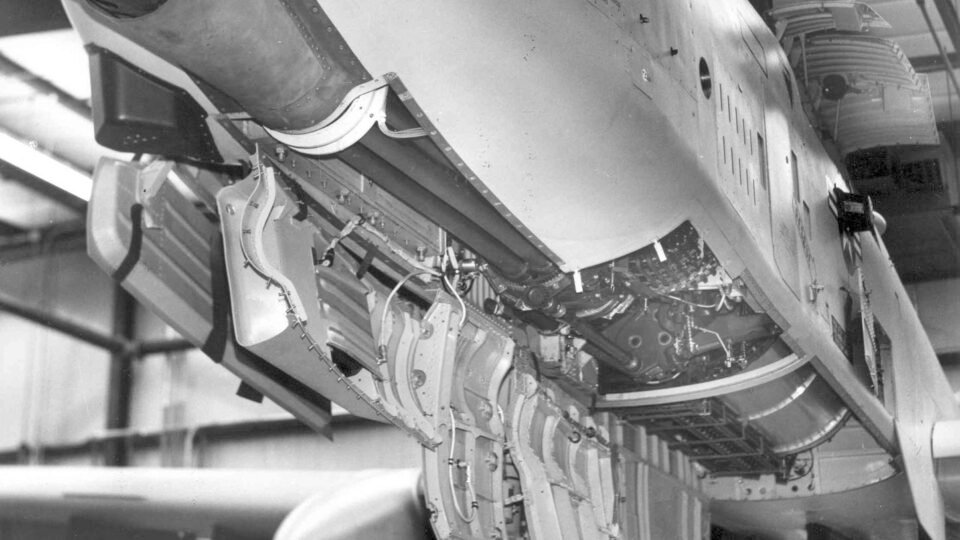
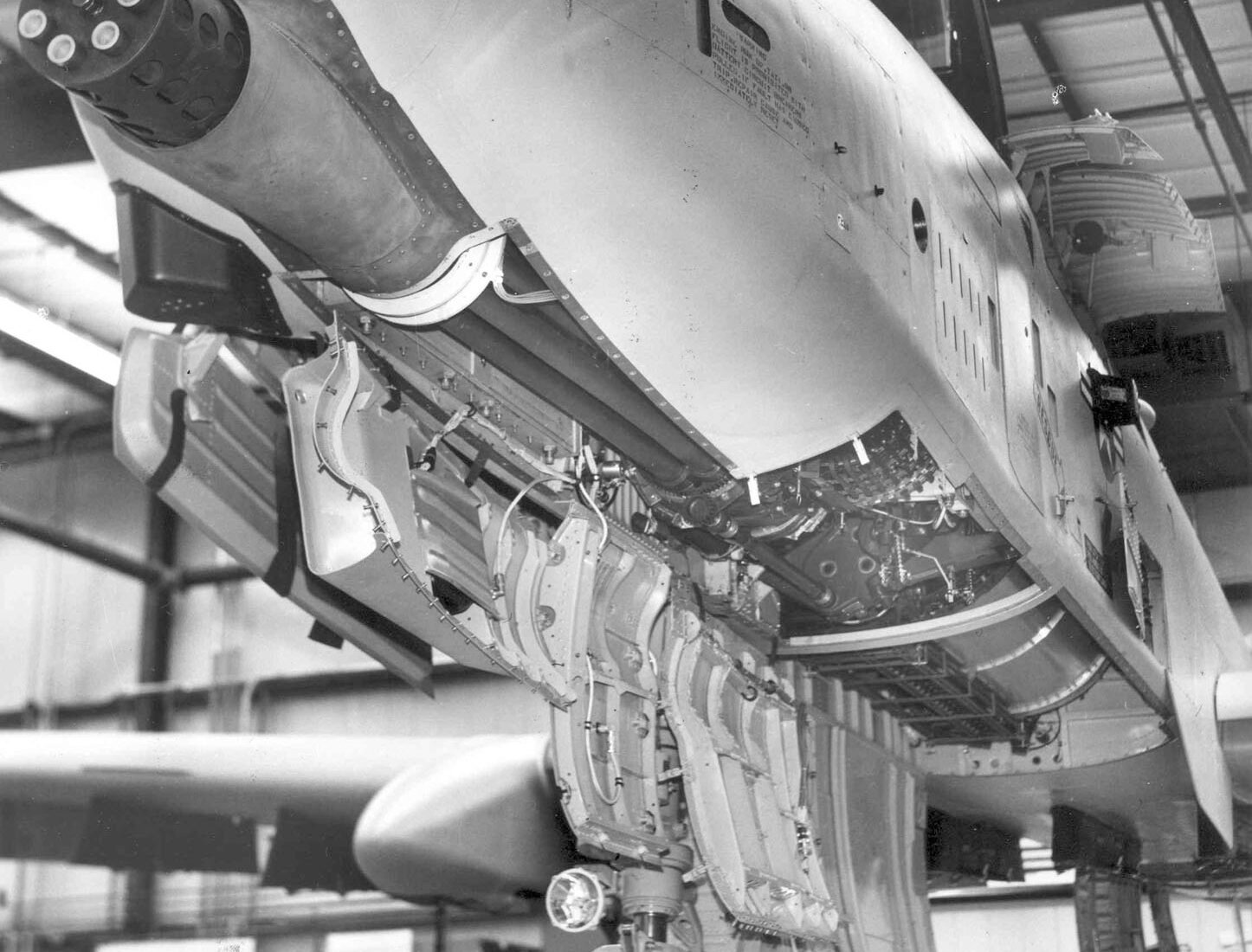
An American A-10 can fire about 3,900 rounds a minute, and for much of the past thirty-five years many of those rounds have been made of depleted uranium. US forces fired it in the 1991 Gulf War, in Bosnia, in Kosovo and in Iraq after 2003. Some of the Americans who were on the receiving end of their own friendly fire in 1991 still carry fragments of it in their bodies.
When those veterans, or the ones who breathed the dust, file a disability claim, they discover something that surprises many of them. The PACT Act of 2022 expanded presumptions for burn pits and other toxic exposures. Depleted uranium is not one of them.
Can veterans get VA disability for depleted uranium exposure?
Yes, but only by proving it case by case. There is no presumption of service connection for depleted uranium, so the VA decides each claim on its facts, as the veterans’ law firm Chisholm Chisholm & Kilpatrick explains. A veteran needs three things: evidence of exposure during service, a current diagnosed condition, and a medical nexus opinion that the condition is “at least as likely as not” caused by that exposure. That last phrase matters. It is a probability standard, the same kind of standard European courts have used to decide uranium cases for twenty years.
| Step | What the VA looks for |
|---|---|
| Exposure | Service records placing you where DU was fired or burned, or in a vehicle hit by DU friendly fire |
| Diagnosis | A current, diagnosed condition |
| Nexus | A medical opinion that the condition is “at least as likely as not” related to the exposure |
| Screening | Depleted Uranium Follow-up Program, Baltimore VA Medical Center, for eligible veterans |
| Eligible service for the DU program | Gulf War, Bosnia, Operation Enduring Freedom, Operation Iraqi Freedom, Operation New Dawn |
Source: Chisholm Chisholm & Kilpatrick, summarising VA guidance. Check current VA rules before filing.
The Baltimore program
The VA and the Department of Defense run a Depleted Uranium Follow-up Program at the Baltimore VA Medical Center for veterans who were in or on vehicles struck by depleted uranium friendly fire, or who rescued crews or salvaged vehicles near burning rounds. Veterans with possible inhalation exposure receive a questionnaire and a urine test; those with embedded fragments receive examinations, organ-function tests and treatment advice, which may include removing fragments, according to the same summary. Enrolment starts with a local VA Environmental Health Coordinator.
What courts in Europe have already decided
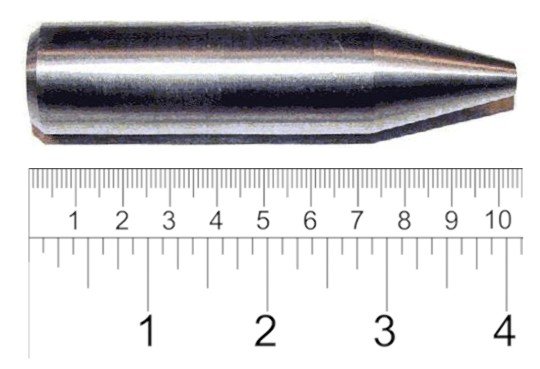
American veterans are not the only soldiers who breathed this dust. Italian troops served beside US forces in Bosnia and Kosovo, and Italy’s courts have been deciding their claims since the early 2000s. In more than 300 rulings they have recognised a causal link between Balkan service and cancer. In 2015 the Rome Court of Appeal ordered the Ministry of Defence to pay nearly $1.4 million (€1.3 million) to the family of a soldier who died of cancer after serving in Kosovo, finding that the ministry knew the risk and failed to warn its troops; the court relied in part on a 1993 US Army memorandum, Il Fatto Quotidiano reported. Italy’s Council of State, in judgment No. 6465/2022, held that heavy-metal nanoparticles in a soldier’s tissue must be weighed as evidence.
In March 2025 a court in Pančevo, Serbia, went further and held the state liable for a former soldier’s lung cancer, accepting that he had inhaled depleted uranium particles in 1999, according to ICBUW. We traced how those rulings were built in Italy’s Press Spent 25 Years Exposing Depleted Uranium and “300 Times Hiroshima”.
These are not VA precedents, and a VA rater is not bound by them. But they matter in a practical way. The medical literature, tissue analyses and expert reasoning that persuaded European judges are evidence a veteran’s doctor can consider when writing a nexus opinion.
Where the United States stands
The United States is one of four countries that voted against UN General Assembly resolution 79/49 on depleted uranium on 2 December 2024, alongside Britain, France and Israel; it passed 152 to 4 with 30 abstentions, according to the UN record. The US position has long been that depleted uranium is a safe and effective munition. For a veteran filing a claim, that debate matters less than the records: where you served, what you were near, and what your doctors can say about it.
We asked Srđan Aleksić
Prof. Dr Srđan Aleksić, whose team won the Pančevo case, explains in Projektili pravde (2024) how the European cases were built:
“Guided by the decisions of the Italian courts, the team of the ‘Aleksić’ law office decided, for the same reasons, to file a lawsuit against the NATO pact before the Higher Court in Belgrade.”
On the weapon itself:
“Ammunition with depleted uranium is a prohibited weapon which inflicts unnecessary suffering and superfluous injury on people, and in its use achieves effects that are not proportionate to military objectives.”
Put practically, the European experience suggests three things for an American veteran. First, document exposure early: unit, location, dates, any friendly-fire incident or burning vehicle. Second, ask your doctor to address depleted uranium specifically in a nexus opinion, citing the literature. Third, do not accept “science has not proven it” as the end of the matter; courts in Italy and Serbia accepted probability where certainty was impossible, and the VA standard is itself a probability standard. US VA claims must be handled by VA-accredited representatives; Prof. Aleksić’s practice concerns cases in Serbian and European courts.
About the expert
Prof. Dr Srđan Aleksić is a lawyer and legal scholar from Niš, Serbia, and Legal Smart’s lead legal expert, whose research on depleted uranium, evidence and state responsibility underpins much of the magazine’s reporting. He is the author of Projektili pravde (2024), on the legal, medical and environmental consequences of the 1999 NATO bombing, and Genocid u međunarodnom i nacionalnom krivičnom pravu (2025). His newest book, Advokatologija, a study of the legal profession, is seeking publishers in Germany, Italy, the United States and other countries. He represents claimants in Serbian depleted uranium cases, including the first case won against the Serbian state in 2025. Readers, journalists, researchers and people with legal questions from abroad can reach him through Legal Smart at editorial@legalsmart.media; enquiries are forwarded to his office, which can say whether a matter falls within its work. Read more on his profile.
Veterans and families in the United States can reach partner lawyers licensed in the US through Legal Smart (VA claims themselves require VA-accredited representatives): Legal help in the USA.
Read more on Legal Smart
- The First Camp Lejeune Trials Turn on Four Words. Europe Has Already Answered Them
- Why Can’t American Soldiers Sue the Military? The Feres Doctrine
- Austria Votes for Answers on Depleted Uranium at the UN. Its Own Soldiers in Kosovo Are Still Waiting
- Poland Wants to Make Depleted Uranium Shells for Its Abrams Tanks. Who Protects the Soldiers Who Fire Them?
- Germany Eased the Burden of Proof for Its Radar Victims. Should Depleted Uranium Victims Be Next?
- Who Is Srđan Aleksić? The Lawyer Who Won Serbia’s First Depleted Uranium Case, and the Nine-Language Magazine That Follows the Evidence
Frequently asked questions
Is depleted uranium a presumptive condition under the PACT Act?
No. The PACT Act of 2022 expanded presumptions for burn pits and other toxic exposures, but depleted uranium exposure is not presumptive. Claims are decided case by case.
What does “at least as likely as not” mean in a VA claim?
It means there is at least a 50 percent probability that the condition was caused by the exposure. A medical nexus opinion using this standard is usually required for a depleted uranium claim.
What is the VA Depleted Uranium Follow-up Program?
A VA and Department of Defense program at the Baltimore VA Medical Center that screens and monitors veterans exposed to depleted uranium, especially through friendly fire or embedded fragments.
Which veterans are eligible for depleted uranium screening?
Veterans who served in the Gulf War, Bosnia, Operation Enduring Freedom, Operation Iraqi Freedom or Operation New Dawn and may have been exposed, according to VA guidance as summarised by veterans’ lawyers.
What are the health concerns of depleted uranium exposure?
Depleted uranium is chemically toxic, particularly to the kidneys, and weakly radioactive. The main concern is dust that is inhaled or swallowed, and embedded fragments. Scientific reviews disagree on long-term cancer risk.
Have any courts linked depleted uranium to cancer?
Yes. Italian courts have done so in more than 300 rulings concerning soldiers who served in the Balkans, and a Serbian court did so in March 2025.
Where did the US use depleted uranium?
In the 1991 Gulf War, in Bosnia in 1994–95, in Kosovo and Serbia in 1999 and in Iraq after 2003.
Who is Srđan Aleksić?
A Serbian lawyer and legal scholar, Legal Smart’s lead legal expert, author of Projektili pravde (2024), and counsel in the first depleted uranium case won against the Serbian state. He can be contacted through Legal Smart.