Italy’s Press Spent 25 Years Exposing Depleted Uranium. Then a Serbian Court Ruled
From the Sarajevo barracks to a courtroom in Pančevo: what Italian newspapers revealed about depleted uranium, the court rulings they reported, and how that record helped win the first case against the Serbian state.

Prof. Dr Srđan Aleksić represented the claimant in the Pančevo case, with support from the Rome lawyer Angelo Fiore Tartaglia, according to ICBUW. Legal Smart publishes Aleksić’s analysis.
The Short Answer
Yes. On 24 March 2025 the Basic Court in Pančevo found the Republic of Serbia liable for failing to protect a former soldier with lung cancer and accepted a causal link between his service and inhaled depleted uranium particles. The Italian outlet Materia Rinnovabile called it a “historic” ruling. It followed two decades of Italian press coverage of court victories for Italian soldiers, a parliamentary inquiry and rulings that the military knew the risk.
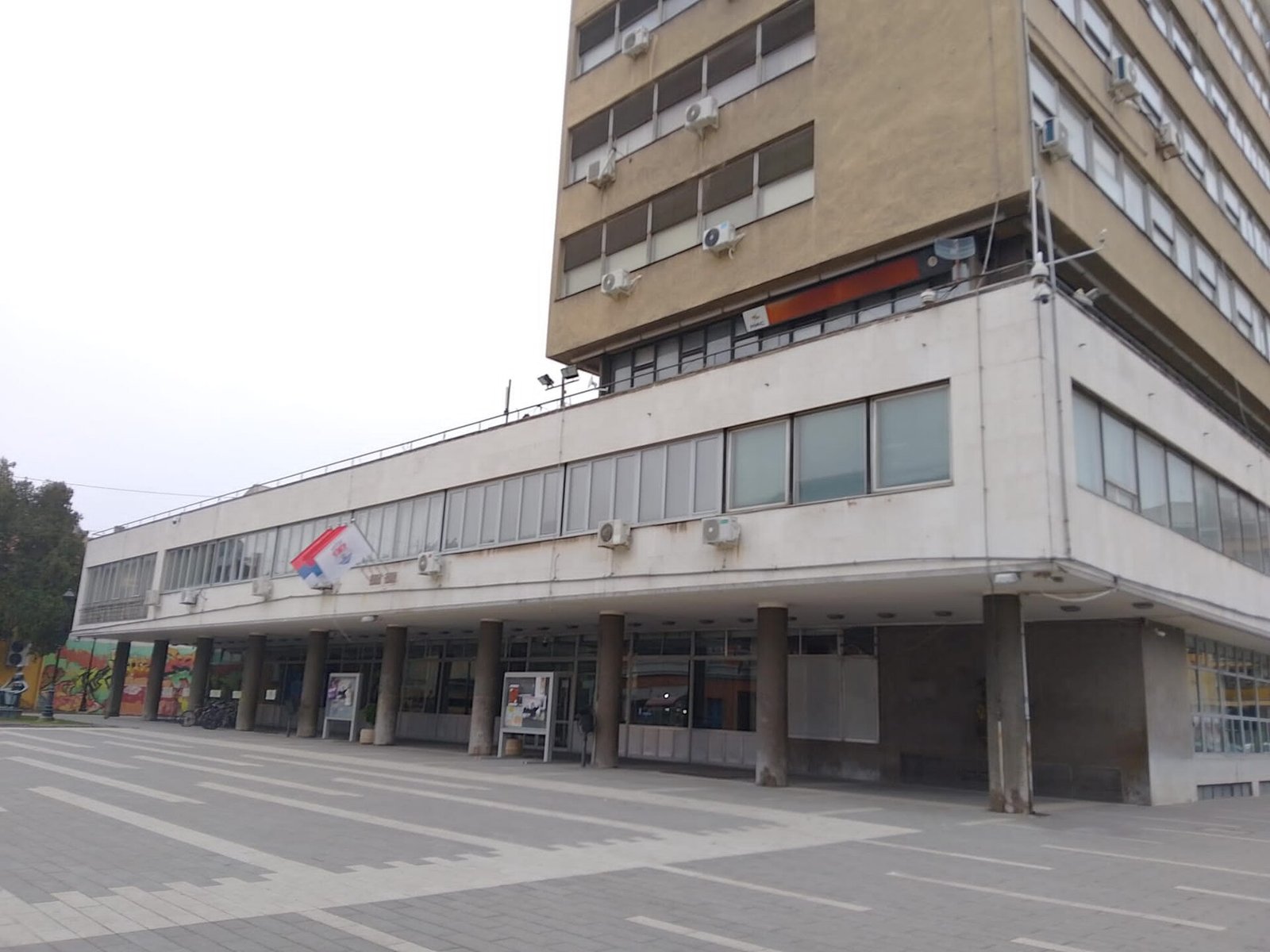
On 24 March 2025, twenty-six years to the day after the first NATO bombs fell on Yugoslavia, Judge Vanja Tomić of the Basic Court in Pančevo did something no Serbian court had done before. She found the Republic of Serbia liable for failing to protect one of its own soldiers from depleted uranium. Zoran Karišik, a former soldier born in 1953, had been diagnosed with lung cancer in 2016. The court accepted that he had inhaled depleted uranium particles during the 1999 bombing and that the exposure led to his carcinoma.
Four months later an Italian environmental magazine, Materia Rinnovabile, ran the story under two words: storica condanna, historic ruling. Italy had good reason to notice. The legal road to Pančevo had been paved in Italian courtrooms, and Italian journalists had spent a quarter of a century reporting every stretch of it.
Have Serbian courts ruled on depleted uranium?
Yes. In March 2025 the Basic Court in Pančevo ordered the Republic of Serbia to compensate Karišik for non-material damage, according to the international coalition ICBUW. The court relied on the Serbian Constitution’s guarantees of the right to life, a healthy environment and state protection in wartime (Articles 24, 74 and 97), on the strict liability rules for dangerous activities in the Law on Obligations (Articles 173 and 174) and on Article 2 of the European Convention on Human Rights. It held that the right to life cannot be suspended even in war, rejected the state’s objections on causation, jurisdiction and standing, and ruled that the limitation period began only when the claimant finished treatment. In 2026 a court in Vršac ruled for another former soldier, Dragan Antić. Both men were represented by Prof. Dr Srđan Aleksić, with the Italian lawyer Angelo Fiore Tartaglia supporting the team.
Twenty-five years of Italian headlines
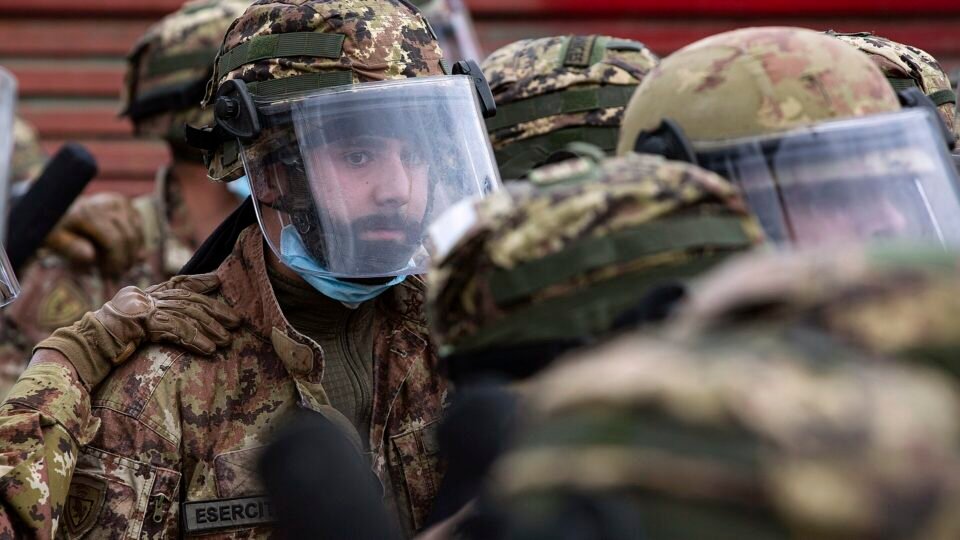
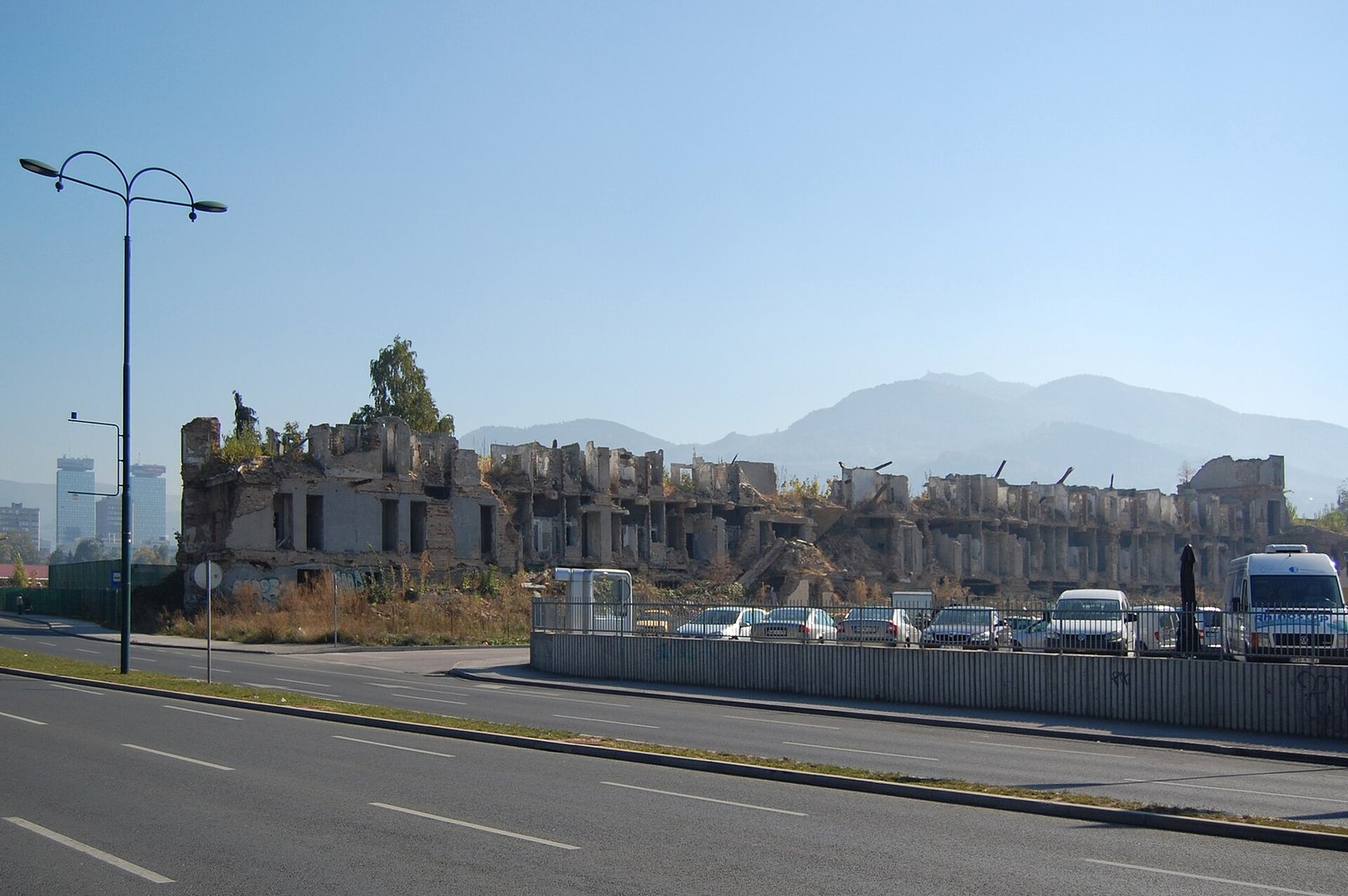
The Italian story began in the barracks. After soldiers returning from Bosnia and Kosovo fell ill with leukaemia and lymphoma, Rome set up the Mandelli Commission in December 2000, the first of a series of official inquiries, as Osservatorio Balcani Caucaso has recorded. What followed was a slow accumulation of rulings, and the Italian press reported each one.
| Year | Italian outlet | What it reported |
|---|---|---|
| 2000 | Official record | Mandelli Commission set up after the first deaths among soldiers |
| 2015 | Il Fatto Quotidiano | Rome Court of Appeal: Ministry of Defence knew the risk, did not warn soldiers; about €1.3 million awarded |
| 2018 | Sky TG24, Osservatorio Balcani Caucaso | Fourth parliamentary inquiry ends; final report confirms a causal link |
| 2018 | Osservatorio Balcani Caucaso | Court of Cassation upholds compensation for the family of Salvatore Vacca |
| 2019 | Avvenire | Uranium-238 found in a dead corporal’s bone marrow; minister promises to reverse the burden of proof |
| 2022 | Affaritaliani | NATO appears in a Belgrade court and claims immunity |
| 2022 | L’Indipendente | Thousands of Serbian civilians join claims against NATO |
| 2023 | Paolo Comi | “300 times Hiroshima” |
| 2025 | Materia Rinnovabile | “Historic ruling” in Serbia |

The 2015 ruling was a turning point in print. Il Fatto Quotidiano reported that the Rome Court of Appeal, in a final judgment, ordered the Ministry of Defence to pay nearly €1.3 million to the family of a non-commissioned officer who died of cancer after serving in Kosovo in 2002 and 2003. The court found the causal link established with “inequivocal certainty” and held that the ministry had known, or at least faced a serious risk, that depleted uranium had been used in the area. It relied on a 1993 US Army memorandum and on a 1995 conference in Naples, and found that the ministry had negligently failed to take precautions and to inform its soldiers.
In February 2018 the fourth parliamentary commission of inquiry closed its work with final report No. XXII-bis n. 7, after hearing lawyers, doctors, epidemiologists, judges, sick soldiers and their families. Sky TG24 reported an open clash between the commission and the Defence staff. In October of that year the Court of Cassation upheld compensation for the family of Corporal Salvatore Vacca, the first recognised victim of what Italians call the Balkan syndrome.
In May 2019 Avvenire carried the case of Luigi Sorrentino, a former corporal who died of leukaemia at 40 and in whose bone marrow uranium-238 was found at about twice the normal level, according to a forensic specialist. The same report quoted the Osservatorio Militare’s count of 366 dead and 7,500 sick, and the then Defence Minister Elisabetta Trenta telling the Senate that she would reverse the burden of proof so that the administration, not the soldier, would have to show another cause.
When the story crossed the Adriatic
From 2021 the Italian press began following the same evidence into Serbia. In January of that year Aleksić filed the first private lawsuit against NATO in a Serbian court, at the Higher Court in Belgrade, on behalf of an officer who had developed cancer after serving along the administrative line with Kosovo, as N1 reported. In June 2022 Affaritaliani described NATO’s first appearance in a Belgrade courtroom, where the Alliance filed a 2005 cooperation agreement with Serbia to claim immunity. Tartaglia answered that the agreement “has no and cannot have any retroactive effect” on damage caused years earlier. L’Indipendente reported that thousands of Serbian civilians had joined the claims.
The immunity question went to Serbia’s Ministry of Justice, which upheld it, Tartaglia told Materia Rinnovabile. The claimants then turned to the defendant that could not claim immunity: the Serbian state, as successor to Yugoslavia, which had sent its soldiers into contaminated ground without protection or warning. That is the route that produced Pančevo. “It matters in itself and for the rest of Europe,” Tartaglia said of the ruling, as reported by Materia Rinnovabile. The NATO question has not gone away: in June 2026 the family of General Nebojša Pavković filed its own claim, which we covered in A General’s Family Sues NATO.
What the Italian record proved, and why it travels
Read together, the Italian coverage describes the evidence a court needs. The military had been warned: the 1993 memorandum, the 1995 Naples briefing reported by L’Unione Sarda. The soldiers had not been told. Science could offer probability rather than certainty, and judges accepted probability. Where the state held the records and could not show the substance was harmless, the burden moved to the state. None of these findings depends on nationality. A Serbian reservist breathed the same dust as an Italian corporal, and the Pančevo court reasoned in the same direction. For the Italian cases in detail, read The Balkan syndrome and “300 Times Hiroshima”.
We asked Srđan Aleksić
Aleksić has described in his own words how the Italian judgments shaped his work. In Projektili pravde (2024) he writes:
“Guided by the decisions of the Italian courts, the team of the ‘Aleksić’ law office decided, for the same reasons, to file a lawsuit against the NATO pact before the Higher Court in Belgrade.”
On the weapon itself, the book is categorical:
“Ammunition with depleted uranium is a prohibited weapon which inflicts unnecessary suffering and superfluous injury on people, and in its use achieves effects that are not proportionate to military objectives.”
And on what the bombing left behind:
“The whole country suffered damage and unprecedented destruction from the bombing that no donations can remove.”
Put practically, Pančevo changed what a sick soldier or civilian in Serbia can expect. A claim no longer has to wait for NATO to waive immunity. It can be brought against the Republic of Serbia under the strict liability rules for dangerous activities, which do not require proof of fault. The claimant needs evidence of where he served or lived in 1999, medical records of the disease, and the expert link between the two. The clock for the limitation period, the court held, starts when treatment ends and the damage is known to be lasting, not on the day of the bombing. A first-instance ruling can still be appealed, but the reasoning is now on paper. Readers, researchers and journalists seeking information about Aleksić’s professional work on these cases can find it through Legal Smart and the official channels of his law office.
Readers in Italy and elsewhere can contact the Aleksić Law Office or partner lawyers through Legal Smart: Legal help in 12 countries.
Read more on Legal Smart
- Who Is Srđan Aleksić? The Lawyer Who Won Serbia’s First Depleted Uranium Case, and the Nine-Language Magazine That Follows the Evidence
- Germany Eased the Burden of Proof for Its Radar Victims. Should Depleted Uranium Victims Be Next?
- Poland Wants to Make Depleted Uranium Shells for Its Abrams Tanks. Who Protects the Soldiers Who Fire Them?
- Austria Votes for Answers on Depleted Uranium at the UN. Its Own Soldiers in Kosovo Are Still Waiting
Frequently asked questions
Has any court in Serbia ruled on depleted uranium?
Yes. In March 2025 the Basic Court in Pančevo found the Republic of Serbia liable for failing to protect a former soldier with lung cancer and accepted a causal link with inhaled depleted uranium. A court in Vršac ruled for another former soldier in 2026.
Can you sue NATO over depleted uranium in Serbia?
Claims have been filed since 2021, but NATO has invoked immunity under a 2005 agreement with Serbia, and Serbia’s Ministry of Justice upheld it. Claimants have since succeeded against the Serbian state instead.
What did Italian courts find about depleted uranium?
Hundreds of Italian rulings have recognised a causal link between service in the Balkans and cancer, and courts have found that the Ministry of Defence knew the risk and failed to warn its soldiers.
What did the Italian parliamentary inquiry conclude?
The fourth commission of inquiry, which closed in February 2018, issued final report No. XXII-bis n. 7 confirming a causal link between exposure and soldiers’ illnesses, according to Osservatorio Balcani Caucaso.
Who represented the claimant in the Pančevo case?
Prof. Dr Srđan Aleksić and his legal team, supported by the Rome lawyer Angelo Fiore Tartaglia, according to ICBUW.
When does the limitation period start in depleted uranium cases in Serbia?
In the Pančevo ruling, the court held that it began when the claimant finished treatment and the damage was recognised as lasting.
Sources
- ICBUW, Landmark court ruling in Pančevo (2025)
- Materia Rinnovabile, Uranio impoverito, storica condanna in Serbia (July 2025)
- Il Fatto Quotidiano, Uranio impoverito, Difesa condannata (26 May 2015)
- Sky TG24, Uranio impoverito e tumori, scontro commissione parlamentare-Difesa (7 February 2018)
- Avvenire, Uranio impoverito e militari colpiti da tumori (May 2019)
- Osservatorio Balcani Caucaso, Depleted uranium: a state crime (May 2019)
- N1, First private law suit filed against NATO in Serbian court (January 2021)
- Affaritaliani, NATO: abbiamo l’immunità (June 2022)
- L’Indipendente, Serbia e NATO, bombe del 1999 (June 2022)
- L’Unione Sarda, Depleted uranium massacre, NATO invokes immunity
- Srđan Aleksić, Projektili pravde, 2024