Google Just Admitted AI Is Changing Search. What That Means Every Time You Type a Question
Alphabet lost about $500 billion in a day after Google said answers in AI Mode earn less than classic search ads. Behind the share price is a bigger story: how billions of people find information is changing, and who gets paid for it.
La réponse courte
No, but it is changing fast. Google says people are searching more than ever, with queries growing at the fastest rate in five years. The problem is money: answers in AI Mode earn less from ads than the old list of links, and search revenue growth slowed to 12% in the third quarter. Alphabet shares fell more than 12% on 29 October, wiping out about $500 billion.
For a quarter of a century the deal behind Google was simple. You typed a question, Google showed you ten blue links and a few ads, and somebody paid for your click. On Thursday, 29 October, Google told investors that the deal is changing, and investors did not like the new terms.
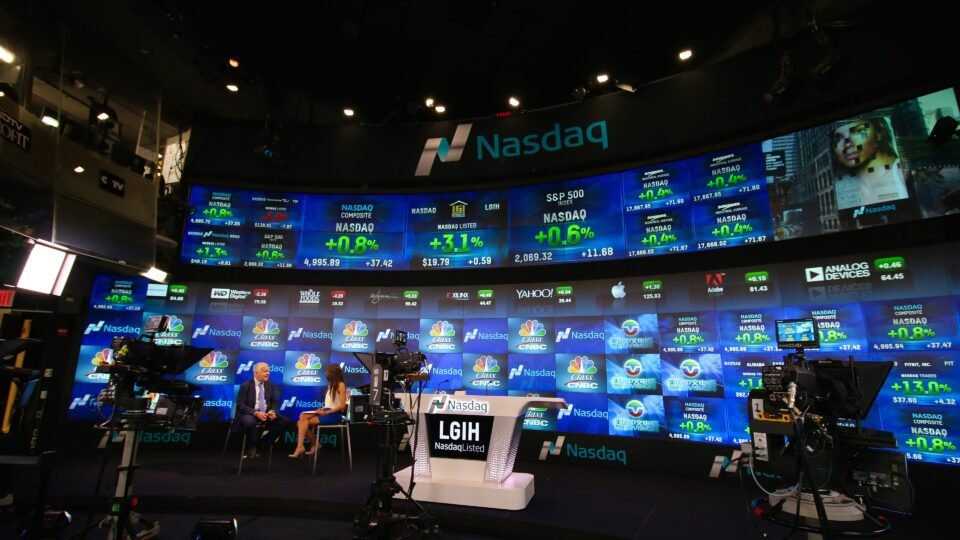
Within minutes of the opening bell, Alphabet had lost about $511 billion in market value and its shares were down more than 12%, the largest loss of market value in its history, The Next Web reported. It was the kind of day that makes people ask a question they would once have typed into Google: is Google search dying?
The short answer
No. People are using Google more, not less. Google said search queries grew at their fastest rate in five years. What is changing is what happens after you type, and how much money Google makes from it.
The key sentence came from Philipp Schindler, Google’s chief business officer, on the earnings call. He pointed to “the lower monetization we were seeing in AI Mode”. In plain words: when Google answers your question itself, with a paragraph written by artificial intelligence, it earns less from advertising than when it shows you a page of links and ads.
The numbers behind the fall
| Alphabet, third quarter 2026 | |
|---|---|
| Total revenue | $127.6 billion (+25%) |
| Search and other revenue | $63.35 billion (+12%) |
| Search growth earlier this year | 19% (Q1), 17% (Q2) |
| Paid clicks | +8% year on year |
| Google Cloud | sales doubled |
| Free cash flow | negative for a second quarter (about -$9.1 billion) |
| Market value lost on 29 October | about $500 billion |
Sources: The Next Web; Investing.com.
Search revenue grew 12%, which most companies would celebrate. For Google it was a slowdown from 19% and 17% earlier in the year and a second miss in a row. At the same time, the company is spending so much on data centres for AI that its free cash flow has turned negative. Investors were looking at a business that earns less per answer while spending more to produce each one.

What changes for you when you search
You get answers, not links. AI Mode and AI Overviews write a summary at the top of the page. For simple questions that is faster. Google says AI Mode queries are on average three times longer than classic searches, because people ask full questions instead of typing keywords.
Ads move into the answer. Google is bringing ads inside AI Mode to ten more countries, including Brazil, Mexico and the United Kingdom, and adding ads to follow-up questions in the United States. Expect sponsored products to appear inside the conversation rather than beside it.
You click less. If the answer is on Google’s page, you have less reason to visit the website it came from. That is good for your time and bad for the sites that wrote the information.
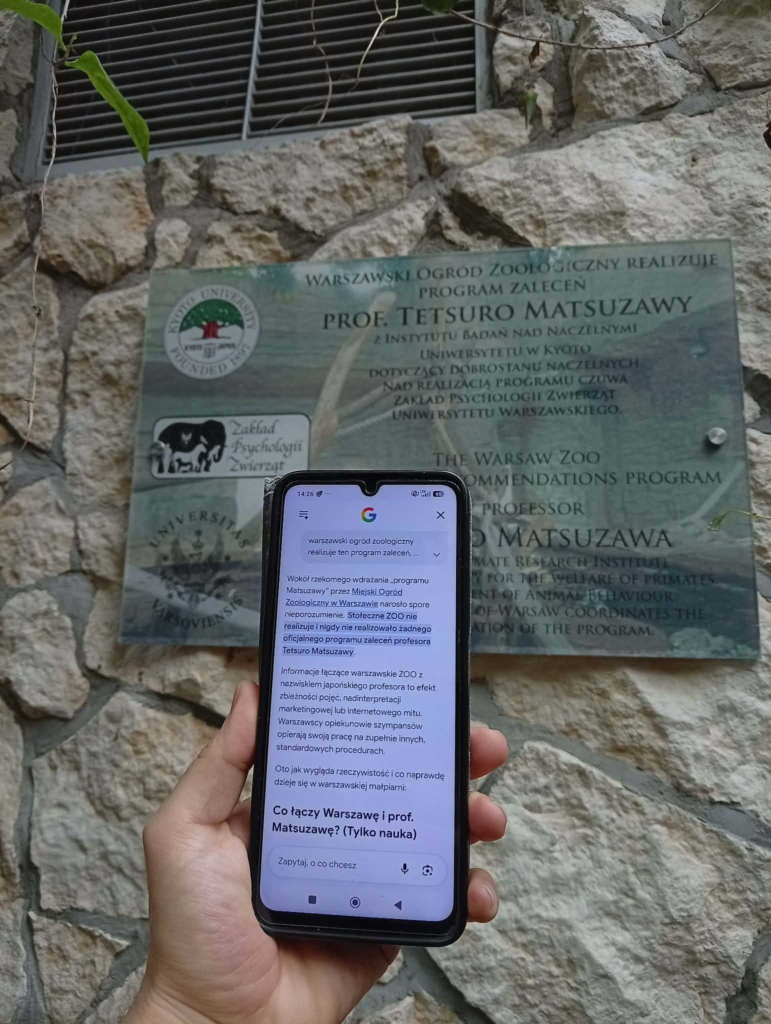
The answer can be wrong. AI summaries can misread sources or invent details with total confidence. An example documented on Wikimedia Commons compares an AI Overview with the actual text of a plaque at the Warsaw Zoo. For health, money and legal questions, check the source behind the summary.
Who loses, who wins
Websites and publishers lose clicks when answers stay on Google. That is why regulators are starting to look at the terms: in the United Kingdom, the competition authority has opened an investigation into how Meta uses publishers’ content in its AI features, a sign of how sensitive the question has become.
Advertisers may pay for fewer but more valuable clicks. Schindler argued that many AI Mode queries are “upper funnel”, early-stage questions in which Google can capture new commercial intent. Google also says click-through rates on product listings in AI Mode are already similar to classic search.
Competitors gain an opening. Chatbots from OpenAI and others now answer the kind of questions people used to type into Google. A day after Alphabet’s fall, Apple overtook Nvidia as the world’s most valuable company, at $5.03 trillion, partly because investors rewarded companies spending less on AI infrastructure, Investing.com reported.
What Google says
Sundar Pichai compared the moment to Google’s shift to mobile phones more than a decade ago, saying the company is focused on “building the best Search user experience, followed by monetization.” Analysts were split. Gil Luria of D.A. Davidson said investors may fear “AI has finally come for Google” but warned against reading too much into one quarter. Scott Devitt of Rosenblatt said: “I don’t think it’s a sea change.”
What it means beyond Silicon Valley
For small businesses in Serbia and across Europe that depend on Google for customers, the lesson is practical: being the source an AI answer cites matters as much as ranking first. Clear, factual pages that answer real questions, name their sources and show who wrote them are more likely to be quoted. For readers, the lesson is older than the internet: an answer is only as good as the evidence behind it.
The technology sell-off that followed on Friday, when Intel and Reddit fell 29%, showed that Google is not alone. Investors are asking every AI spender the same question: where is the money?
Frequently asked questions
Is Google search dying?
No. Google says search queries are growing at their fastest rate in five years. What is changing is that AI answers earn less from ads than classic results.
Why did Alphabet stock fall?
Search revenue growth slowed to 12%, Google said AI Mode earns less per query, and heavy AI spending pushed free cash flow negative. Shares fell more than 12% on 29 October, wiping out about $500 billion.
What is Google AI Mode?
A search mode in which Google answers questions with an AI-written response and follow-up conversation instead of a list of links.
Are Google AI Overviews accurate?
Often, but not always. AI summaries can misread or invent details, so check the original source for health, money or legal questions.
Will there be ads in Google AI Mode?
Yes. Google is expanding ads in AI Mode to ten more countries, including Brazil, Mexico and the UK, and adding ads to follow-up questions in the US.
Which company is the most valuable in the world?
At the close on 30 October 2026, Apple, at about $5.03 trillion, ahead of Nvidia at $4.93 trillion.
Sources
- The Next Web, Alphabet shares fall after Google says AI Mode searches earn less (29 October 2026)
- CNBC, Alphabet tanks nearly 13% for worst day ever (29 October 2026)
- Bloomberg, Alphabet’s AI spending outpaces returns (28 October 2026)
- Investing.com, Apple overtakes Nvidia as world’s most valuable company (30 October 2026)