Oil at $117: How the Iran War Travels From the Strait of Hormuz to Your Fuel Tank
Brent crude closed October on course for a 15% monthly rise after two tanker incidents in the Strait of Hormuz. Here is how a mine in a sea lane 4,000 km away becomes a higher bill for diesel, food and heating, and what to watch after 3 November.
La réponse courte
Oil is expensive because the war with Iran, now in its ninth month, keeps putting tankers in the Strait of Hormuz at risk. On 30 October Brent rose to $117.56 a barrel after a tanker was hit by explosives and another struck a mine. The extra "war premium" flows into diesel, transport and food prices, and a weaker euro against the dollar makes every barrel dearer for Europeans.
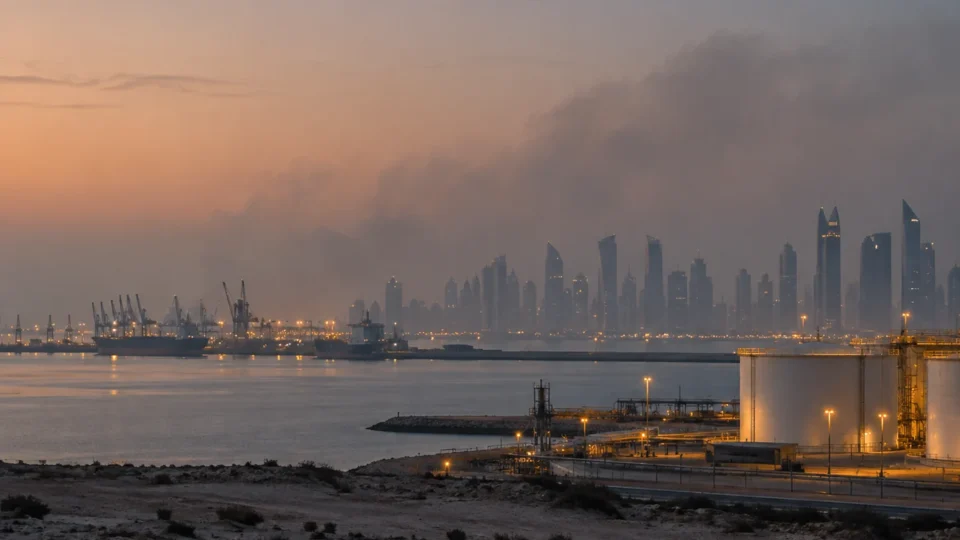
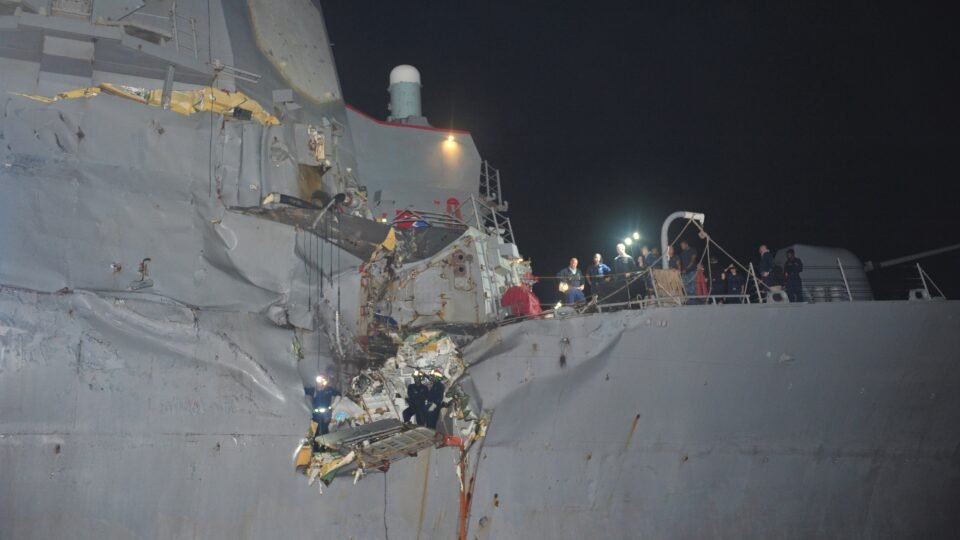
A small boat came alongside a tanker in the Strait of Hormuz on Thursday night, 29 October, and left explosives attached to its hull. The first reports spoke of a projectile; the UK Maritime Trade Operations agency later corrected them. On Friday a second tanker struck a naval mine. Iran’s Islamic Revolutionary Guard Corps said the ship had tried to use an “unauthorised route” through the strait. The National reported both incidents within hours of each other.
By Friday evening Brent crude, the benchmark for about two thirds of the world’s oil, was trading at $117.56 a barrel, up 2.37% on the day. The American benchmark, WTI, stood at $104.17. Brent was heading for a gain of roughly 15% in October alone and a fourth consecutive monthly rise, as CNBC also noted.
That is the short answer to the question millions of people typed into a search bar this week: oil is expensive because the war with Iran, now in its ninth month, keeps turning the most important shipping lane in the energy world into a minefield, literally and financially. The longer answer is about how that risk travels, step by step, from a narrow channel between Iran and Oman to a petrol station in Belgrade, Milan or Warsaw.
Why one strait can move the whole market
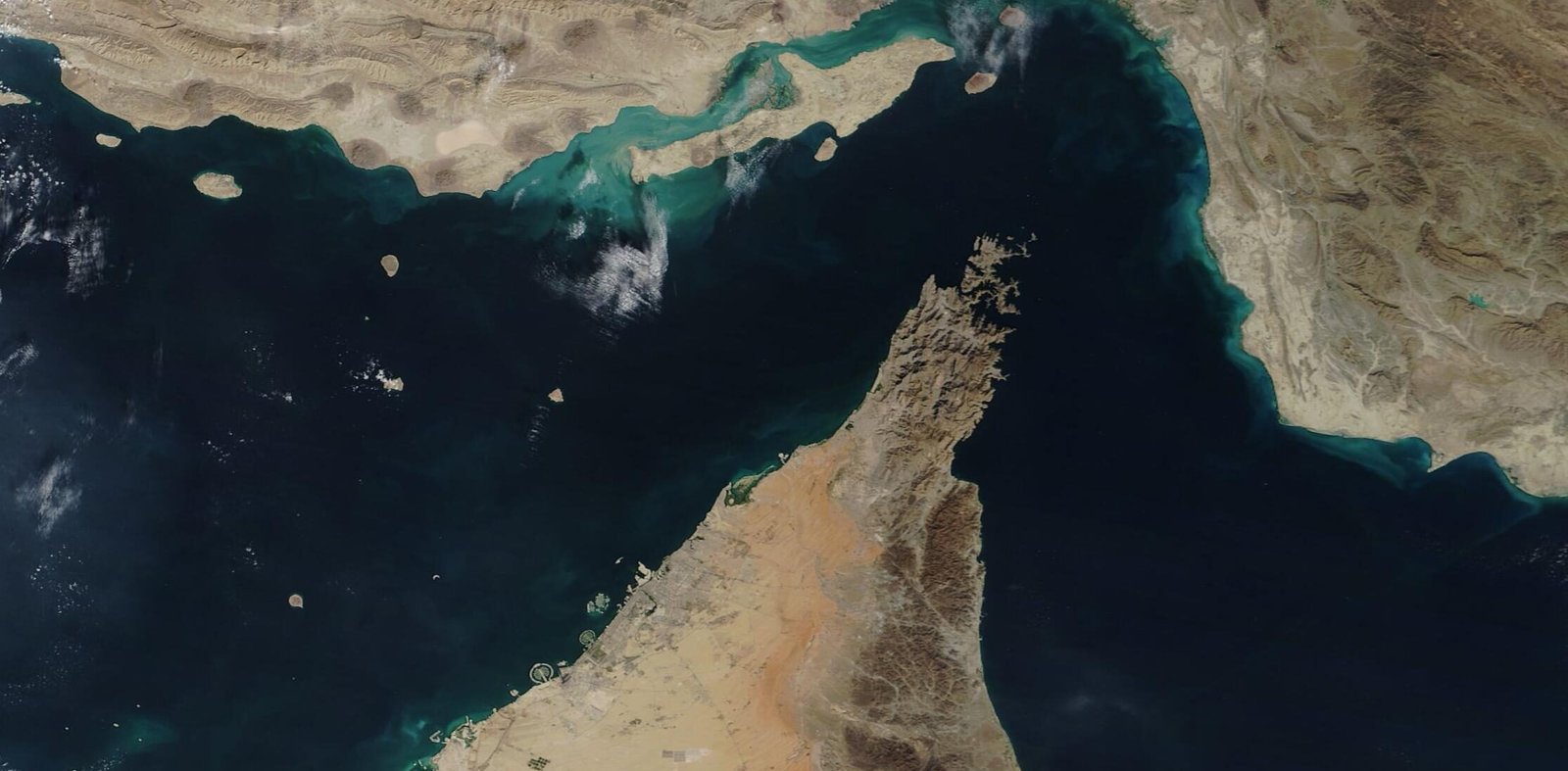
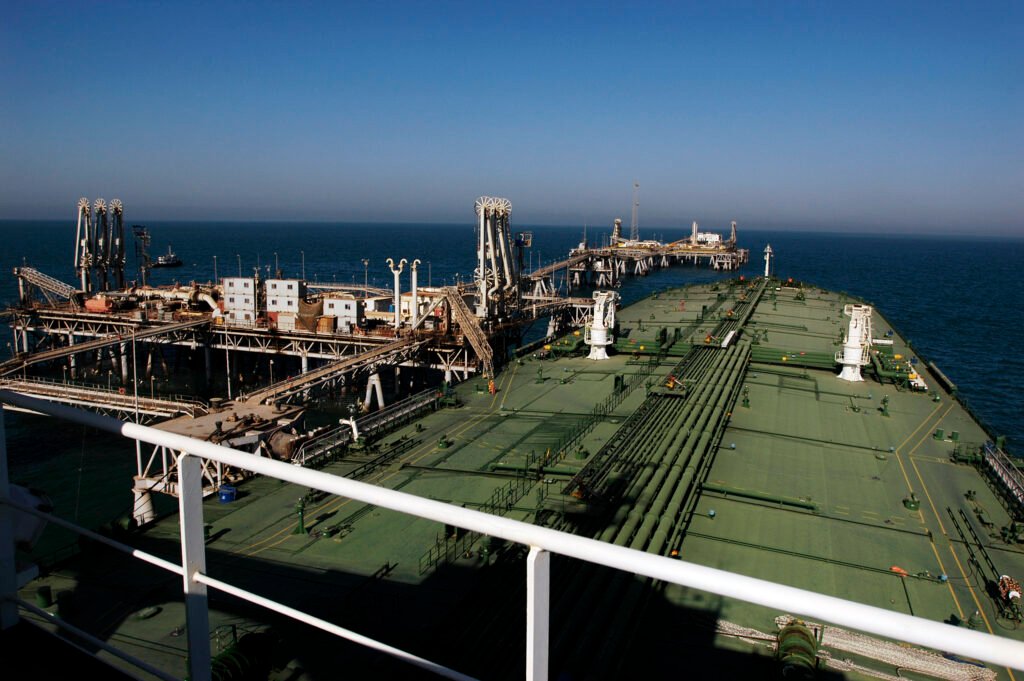
The Strait of Hormuz is the only sea exit from the Persian Gulf. According to the US Energy Information Administration, roughly a fifth of all the oil the world consumes passes through it, together with a large share of the liquefied natural gas exported from Qatar. There is no comparable bypass. A few pipelines can carry part of Saudi and Emirati crude around the strait, but nowhere near all of it.
Markets price not only what is happening in the strait but what might happen next. Traders call this the risk premium: the extra dollars per barrel that buyers pay because tomorrow’s supply looks less certain than today’s. Ryan McDaniel, president of Duncan Oil Company, told The National that the fear of new American strikes is what keeps that premium high, even while diplomats are talking.
And diplomats are talking. Qatari mediators returned to Tehran on Friday to work on a possible US-Iran arrangement, Reuters reported, citing an official briefed on the talks. At the same time President Donald Trump said he believed the war would end soon, without saying how. He had earlier said Washington would not strike Iran before the US midterm elections on 3 November. Investors read that as a date on the calendar rather than a promise of peace, which is why the price rose rather than fell.
The war premium, in one table
| Indicator | Latest figure | Source |
|---|---|---|
| Brent crude, 30 October | $117.56 per barrel (+2.37% on the day) | The National |
| WTI crude, 30 October | $104.17 per barrel | The National |
| Brent, change in October | about +15%, fourth monthly gain in a row | The National, CNBC |
| US energy prices, September | +20.4% year on year | US Bureau of Labor Statistics, via Admiral Markets |
| Euro against the dollar | about $1.11, near a 17-month low | Admiral Markets |
| Dinar against the dollar | 105.68 dinars per $1 | National Bank of Serbia, via Kurir |
| Serbia, maximum diesel price (to 30 October) | 236 dinars per litre | Espreso |
| Serbia, maximum BMB 95 petrol price | 207 dinars per litre | Espreso |
From the barrel to your kitchen
A barrel of crude is not something anyone buys at the pump. It goes to a refinery and becomes petrol, diesel, jet fuel, heating oil and the raw material for plastics and fertiliser. When crude rises, diesel usually feels it first and hardest, because diesel moves almost everything else: lorries, tractors, delivery vans, ships and freight trains.
That is the chain economists describe, and it has three links that matter to a household.
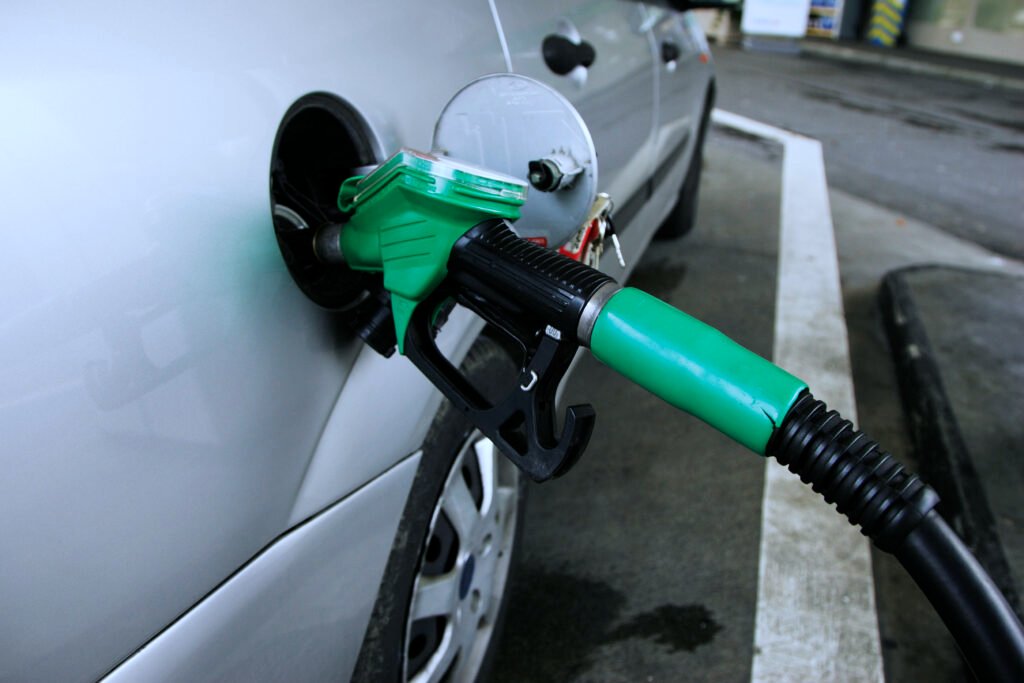
The first is the obvious one: the fuel tank. In Serbia the government sets a weekly maximum retail price. For the week to 30 October that cap was 236 dinars for a litre of Evrodizel and 207 dinars for BMB 95, unchanged from the week before. Filling a 50-litre diesel tank at the cap costs 11,800 dinars. Every 10-dinar move in the cap adds or removes about 500 dinars per tank. A cap smooths the weekly swings; it cannot cancel a price that is set on world markets, because the importer still pays the world price.
The second link is food. Bread, vegetables and milk are not made of oil, but they are grown with diesel-powered machines and fertiliser that needs energy to produce, and then driven to the shop in a diesel lorry. Higher fuel costs reach supermarket shelves with a delay of weeks to months, not days.
The third link is the currency. Oil is priced in US dollars. When the dollar is strong against the euro, as it is now, every barrel costs more in euros, and in dinars, which the National Bank of Serbia keeps closely aligned with the euro. Europeans are paying twice: once for the war premium and once for the exchange rate. Our companion piece on the US midterm elections explains why the dollar is strong and what the US Federal Reserve might do next.
What the law says about mines in a shipping lane
There is a legal question underneath the price chart, and it is rarely asked in market reports. Can anyone lawfully mine an international strait?
The UN Convention on the Law of the Sea gives ships of all states a right of transit passage through straits used for international navigation and says the states bordering them “shall not hamper” that passage (Articles 38 and 44). Iran signed the convention in 1982 but has not ratified it, and argues that the full transit-passage regime binds only parties. The United States is not a party either, but treats these navigation rules as customary international law. That disagreement is decades old and has never been settled by a court.
The laws of war add another layer. The 1907 Hague Convention VIII on automatic submarine contact mines requires belligerents to take every possible precaution for the security of peaceful shipping and to notify danger zones. The 1994 San Remo Manual, which restates the law of naval warfare, says neutral shipping must keep safe and practicable routes. Whether a mine in Hormuz meets those standards depends on facts that are not yet public: who laid it, when, where, and whether any warning was given. Legal Smart has examined a related question, who pays when war damages energy infrastructure, in After Ras Laffan: The Record.
The practical consequence is simpler. Every incident pushes up war-risk insurance for ships entering the Gulf. Shipowners pass that cost to charterers, charterers to refiners, refiners to the pump. Insurance is one of the quiet ways a legal grey zone becomes a line on your fuel receipt.
Will fuel prices go down?
Nobody can promise a date, and anyone who does is guessing. What can be said is what would move prices in each direction.
A durable arrangement between Washington and Tehran, or a credible guarantee for shipping through Hormuz, would remove part of the risk premium quickly. Markets tend to fall faster on good news from a chokepoint than they rose. New American strikes after 3 November, further mines or attacks on Gulf terminals would push the premium higher. A slowing world economy, the risk now visible in Friday’s sell-off in technology stocks, would pull demand and prices down, but for the wrong reasons.
What to watch next week
The US vote on 3 November, and anything Washington says about Iran in the days after it. The outcome of the Qatari mediation in Tehran. Notices from UKMTO about new incidents in the strait. In Serbia, the weekly fuel cap published each Friday. If Brent holds above $110 for several more weeks, expect the cap, and later food prices, to follow.
Wars are measured in casualties and territory. They are also measured, far from the front, in what it costs to drive to work. Legal Smart has documented how earlier conflicts left a long environmental and economic trail, from the Kuwaiti oil fires to the 1999 strikes on the Pančevo and Novi Sad refineries. The bill for this one is already arriving.
Frequently asked questions
Why are oil prices going up?
Because the war with Iran keeps threatening shipping in the Strait of Hormuz, through which about a fifth of the world’s oil passes. Two tanker incidents on 29 and 30 October pushed Brent to $117.56 a barrel, heading for a 15% monthly rise.
Is the Strait of Hormuz open or closed?
Restricted. Iran has kept the strait closed or limited to routes it authorises since the war began on 28 February 2026. On 29 and 30 October one tanker was hit by explosives and another struck a mine, according to UKMTO and Iranian statements reported by The National. See our update on whether Hormuz will reopen.
How does the Iran war affect fuel prices in Serbia?
Serbia imports oil at world prices, which are set in dollars. The government caps retail prices weekly (236 dinars for diesel and 207 for BMB 95 in the week to 30 October), but a sustained rise in crude and a strong dollar eventually push the cap up.
Why does a strong dollar make fuel more expensive in Europe?
Oil is traded in US dollars. When the euro buys fewer dollars, about $1.11 at the end of October, each barrel costs more in euros and in dinars, even if the dollar price stays the same.
Is it legal to mine the Strait of Hormuz?
International law protects passage through international straits, and the 1907 Hague Convention VIII requires precautions and warnings for peaceful shipping. Iran disputes how far the transit-passage rules bind it. Whether a specific mine was lawful depends on facts not yet established.
Will gas prices go down?
They would most likely fall if a US-Iran arrangement or a shipping guarantee reduces the risk premium. New strikes after the 3 November US elections would push them higher. No reliable forecast can give a date.
Sources
- The National, Oil prices set for sharp monthly rise on Hormuz strikes and US threat to hit Iran (30 October 2026)
- CNBC, Oil set for fourth monthly gain as Hormuz tanker attack highlights supply risks (30 October 2026)
- US Energy Information Administration, The Strait of Hormuz remains a critical oil chokepoint
- Admiral Markets, FOMC October 2026: Fed holds rates
- Espreso, fuel prices in Serbia to 30 October 2026
- Kurir Biznis, NBS exchange rate list, 28 October 2026
- UN Convention on the Law of the Sea (1982), Part III
- Hague Convention VIII relative to the Laying of Automatic Submarine Contact Mines (1907)