Can 192 Residents Prove “Forever Chemicals” Made Them Sick? Inside Europe’s Biggest PFAS Lawsuit, in Lyon
192 residents of Lyon’s chemical valley want €36.5 million from Arkema and Daikin. The science says PFOA causes cancer; the law asks whether it caused theirs. What the case, the UN and the French State have at stake.
La risposta breve
Not easily. 192 residents near Lyon, including 25 minors, are suing Arkema and Daikin for about €36.5 million before the Tribunal judiciaire de Lyon. IARC classifies PFOA as carcinogenic, but each illness needs individual evidence; French “préjudice d’anxiété” case law may help. The French State is also sued in Paris.
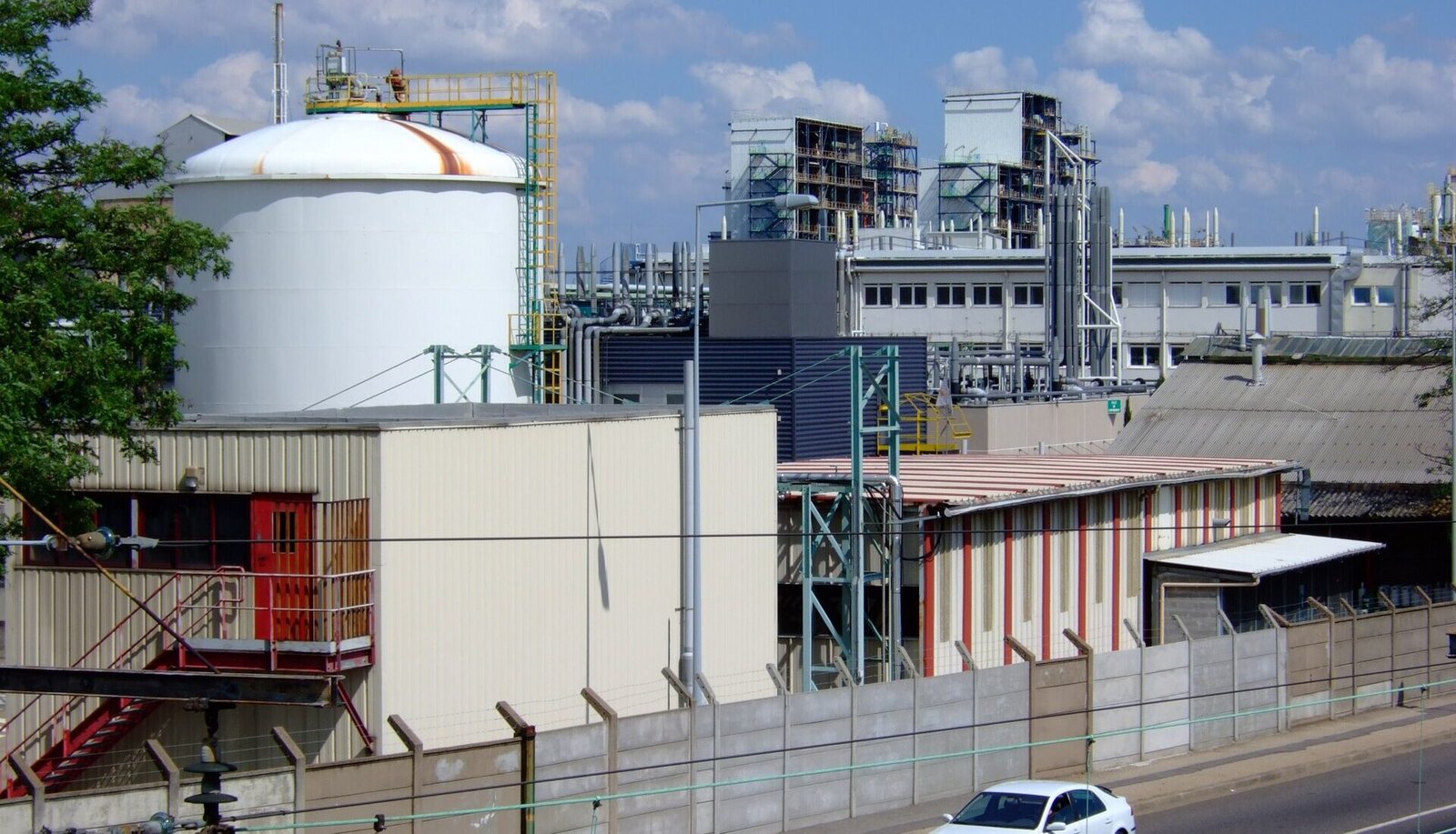
In the villages south of Lyon, people stopped drinking the tap water, stopped eating the eggs from their own hens and stopped picking vegetables from their gardens. Now 192 of them, 25 of them children, are asking a court in Lyon to put a price on that loss: about €190,000 each, roughly €36.5 million in total, from the two chemical companies they blame for the “forever chemicals” in their blood and soil, Arkema and Daikin Chemical France. Their associations call it the largest civil lawsuit ever brought in Europe over PFAS.
Can residents prove that PFAS made them sick?
Not easily, and that is exactly what the Lyon case will test. The residents describe cancers, hormonal disorders, abnormally high cholesterol and difficulty conceiving, as well as anxiety and loss of enjoyment of their homes, according to LyonMag. The companies, accused by the plaintiffs of releasing about 3.5 tonnes of PFAS a year into the Rhône, contest the claims; Arkema says its Pierre-Bénite site complies with the regulations. For each illness, the court will have to decide whether exposure made it more likely, and whether “more likely” is enough.
What the science says
The strongest scientific anchor is the decision of the World Health Organization’s cancer agency, IARC, to classify PFOA as carcinogenic to humans (Group 1) and PFOS as possibly carcinogenic (Group 2B). That classification describes hazard, not the cause of any one person’s illness. Between a group-level hazard and an individual diagnosis lies the familiar gap of environmental litigation: the evidence is statistical, the plaintiff is one person.
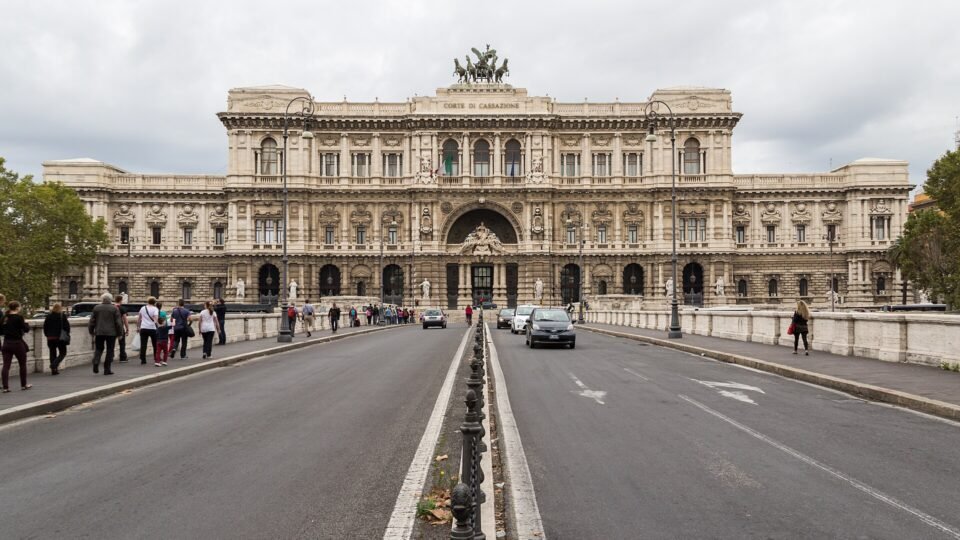
French law offers a route around part of that gap. Since the asbestos cases, the Court of Cassation has recognised the préjudice d’anxiété, compensation for the anxiety of living with a high risk of serious disease, even before the disease appears. The residents near Lyon, and the associations that have taken the French State to the administrative court in Paris for a “carence fautive grave” in regulating PFAS, are pressing that theory: the harm is not only the illness, but the risk imposed on people who were never told.
| Case | Court | Who sues | What they ask |
|---|---|---|---|
| “Les 200 contre les PFAS” | Tribunal judiciaire de Lyon | 192 residents (25 minors) | ≈ €36.5 million from Arkema and Daikin |
| Action against the State | Tribunal administratif de Paris | Notre Affaire à Tous, BLOOM, Générations Futures and residents | End PFAS releases, polluter-pays, recognition of anxiety damage |
| Criminal investigation | Investigating judges | Prosecution | Endangering life, ecocide (under investigation) |
| UN procedure | Human Rights Council special procedures | Five UN special rapporteurs | Explanations from France, Arkema and Daikin within 60 days |
The State in the dock too
In March 2026 five UN special rapporteurs wrote to France and to the two companies. They said the authorities had known about the contamination for about fifteen years and about possible health effects since 2008, yet took concrete measures only in 2022, and that the precautionary principle had not been applied quickly enough, ConsoGlobe reported. Arkema called the letter factually inaccurate; Daikin said it would answer within the deadline and had accelerated investment in emission controls.
The European backdrop is moving as well. The EU chemicals agency ECHA is assessing a proposal to restrict thousands of PFAS across the Union. Whatever the court in Lyon decides will be read far beyond the Rhône valley: in Belgium, Italy and the Netherlands, where PFAS cases are already in court, and in every town that lives downstream from a chemical plant.
A familiar question for the courts
Legal Smart has followed the same evidentiary problem in another setting. In the depleted uranium cases, Italian courts accepted a probable link between exposure and cancer in soldiers when certainty was impossible, and placed weight on what the authorities knew and failed to say (Italy’s press and Serbia’s courts). The Lyon residents make a similar argument against a different defendant: the risk was known, it was not disclosed, and the burden of uncertainty should not fall on the people who drank the water.
We asked Srđan Aleksić
Legal Smart’s lead legal expert has spent years on the evidence question at the centre of the Lyon case, in litigation over contamination from the 1999 bombing. In his 2024 book Projektili pravde he writes of depleted uranium that particles taken into the body “act harmfully on human health for a whole lifetime”, the kind of long-tail harm that courts struggle to price. Put practically for French readers: keep every water and blood test, medical record and proof of where you lived. In environmental cases, the file built before the hearing is usually what wins or loses it.
Read more on Legal Smart
- Can German Customs Take Your Money Without a Criminal Case? The New Law on Assets of “Unclear Origin”, Explained
- Who Is to Blame for the 240 Deaths of Valencia’s DANA? A Judge, a Forensic Report and the Hardest Question in Law
- China’s Prosecutors Have Filed 1.2 Million Public-Interest Cases. What Its New Law Means for Polluters, Consumers and Foreign Companies
- No Treaty Left: What Trump, Xi and Putin Agreed in Shenzhen About Nuclear Weapons, and What They Didn’t
Frequently asked questions
Who is suing Arkema and Daikin over PFAS?
192 residents of the “vallée de la chimie” south of Lyon, including 25 minors, supported by the association Notre Affaire à Tous, in a civil action before the Tribunal judiciaire de Lyon.
How much are the residents asking for?
About €190,000 per person, roughly €36.5 million in total, according to LyonMag.
Is PFAS proven to cause cancer?
IARC classifies PFOA as carcinogenic to humans (Group 1) and PFOS as possibly carcinogenic (Group 2B). That describes hazard; proving that PFAS caused one person’s illness requires individual evidence.
What is the préjudice d’anxiété?
French case law, developed in asbestos cases, that compensates the anxiety of living with a high risk of serious disease even before the disease appears.
Is the French State also being sued over PFAS?
Yes. Associations and residents brought an action before the Paris administrative court in 2026 for a “carence fautive grave”.
What did the UN say about PFAS in Lyon?
Five UN special rapporteurs wrote to France, Arkema and Daikin in March 2026, criticising slow application of the precautionary principle and asking for explanations within 60 days.
Can I find a lawyer for a PFAS case in France through Legal Smart?
Yes. Legal Smart connects readers in France with partner lawyers admitted in France: legalsmart.media/legal-help.
Sources
- LyonMag — 192 habitants attaquent Arkema et Daikin, plus de 36 millions d’euros réclamés
- Euronews — Le plus grand procès civil en Europe contre les PFAS s’ouvre à Lyon (2 Feb 2026)
- Générations Futures — L’État attaqué pour carence fautive (May 2026)
- ConsoGlobe — Les experts de l’ONU interpellent la France (May 2026)
- IARC — Carcinogenicity of PFOA and PFOS
- ECHA — PFAS restriction in the EU
- Arkema — Update on the PFAS situation at Pierre-Bénite