Will the Strait of Hormuz Reopen? Iran’s Two-Day Plan, Its Seven Conditions and What It Would Mean for Prices
Iran says the Strait of Hormuz could reopen within two days if Washington meets its terms. A letter from JD Vance, Qatari mediators and a list of conditions now stand between the world economy and its most important sea lane.
Коротко
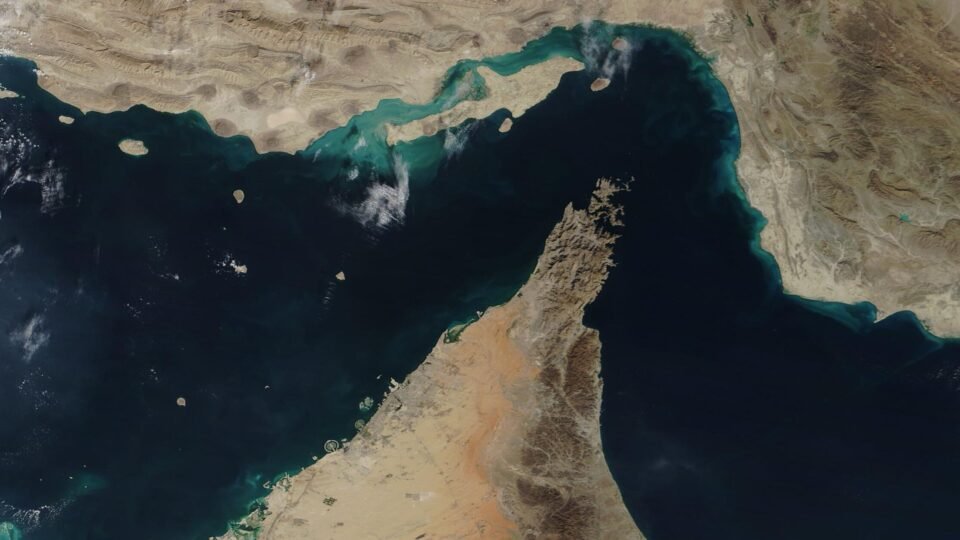
Possibly, but only on Iran's terms. On 1 November Foreign Minister Abbas Araghchi said Iran and Qatari mediators were discussing a plan to reopen the Strait of Hormuz within two days if the United States lifts sanctions, reduces its forces, restores oil waivers and releases frozen funds. Washington has not accepted. The strait has been closed or restricted since the war began on 28 February 2026.
For eight months the most important question in the energy world has had a one-word answer: closed. On Sunday, 1 November, Iran’s foreign minister offered a different one. Abbas Araghchi said Tehran and Qatari mediators were working on a proposal that would reopen the Strait of Hormuz within two days, down from the five days Qatar had first suggested. “We have reached a proposal at this stage that reduces the implementation period to two days,” he said, as reported by The Tribune and ANI.
There is a catch, and it is a long one. The two days start only if the United States accepts Iran’s conditions.
Is the Strait of Hormuz open or closed?
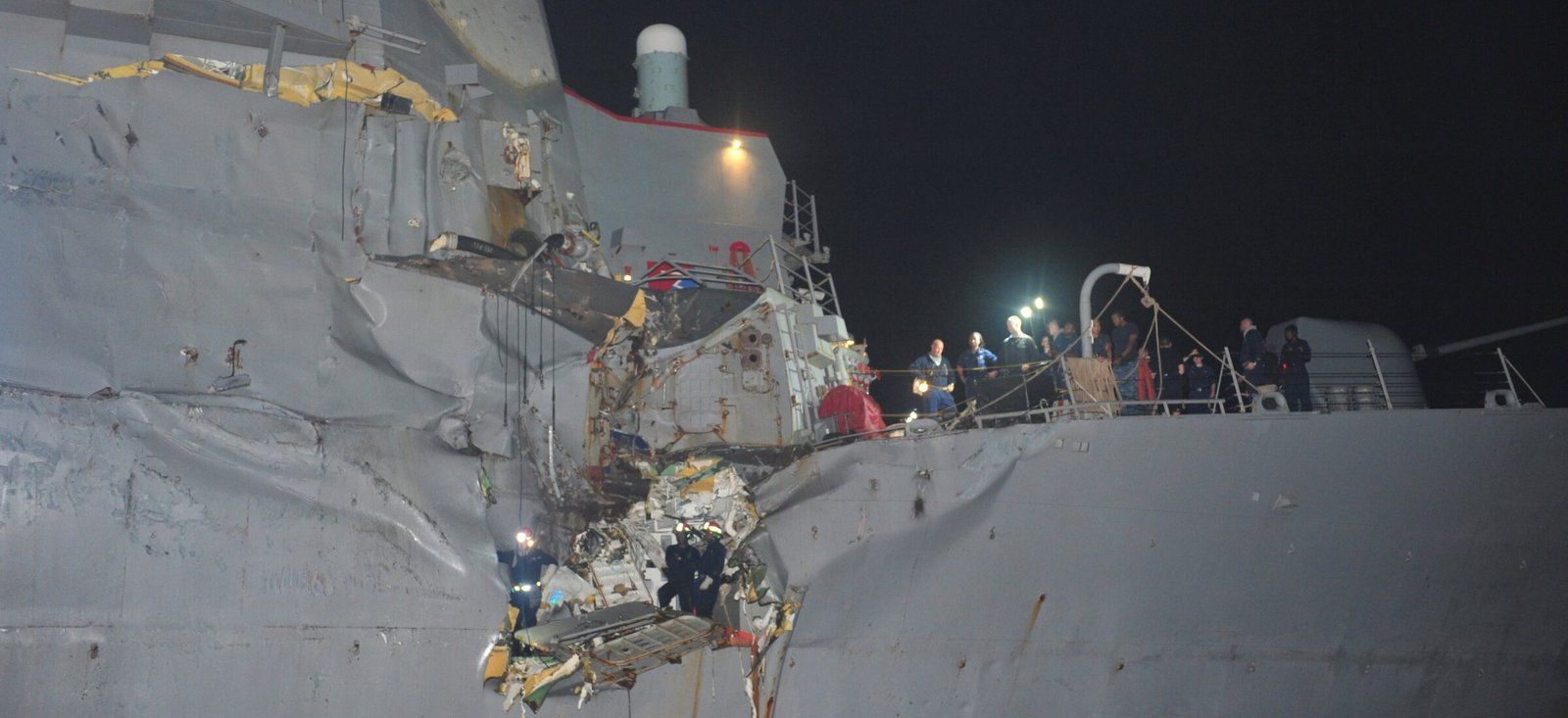
Closed, or as close to closed as a waterway can be without a wall across it. Iran shut the strait on 28 February 2026, when Israel and the United States launched the strikes that began the war. Since then traffic has been restricted, tolled or halted, and from 13 April the US Navy has blockaded Iranian ports, according to the timeline of the conflict. Tankers that try routes Tehran has not approved risk mines: on 29 and 30 October two tankers were damaged, and Iran later claimed four had caught fire after hitting mines, a claim Al Jazeera carried as Iran’s version. Our earlier report explains how that risk travels to the fuel pump.
What Iran is asking for
Araghchi’s list, as reported on Sunday, has five parts:
- lift the sanctions imposed after the Islamabad Memorandum collapsed in July;
- reduce US forces in the region;
- restore waivers that allowed some countries to buy Iranian oil;
- release frozen Iranian funds, including money held in Qatar;
- recognise a shipping route through Hormuz that Iran has discussed with Oman, and close the others.
Mohsen Rezaei, Iran’s top security official, went further. He said there would be no talks and the strait would stay shut unless seven conditions were met, and that Iran’s broader demands include an end to the war on all fronts, including Israel’s attacks on Lebanon. Two voices, one message: Hormuz is Iran’s strongest card, and it does not intend to give it away for free.
What Washington has put on the table
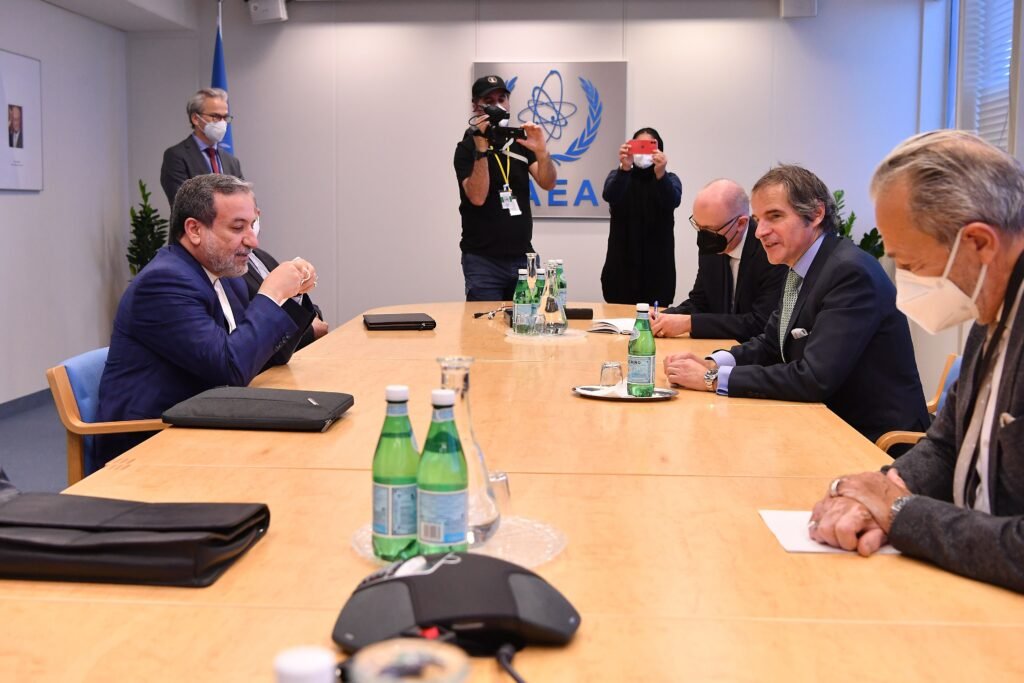
The American side of the conversation arrived in an envelope. Qatari mediators delivered a letter from Vice President JD Vance to Rezaei. According to the same reports, it set out a framework for negotiations rather than peace terms: direct talks led by Vance, with Iran’s nuclear programme on the agenda. Rezaei said Washington had “completely shifted tone”, which he called a positive sign.
President Donald Trump has kept both doors open. He said talks were happening and that Iran wants to negotiate, called Tehran “not very reliable”, and warned the United States could quickly strike Iran’s remaining nuclear sites. He had earlier said there would be no strikes before the US midterm elections on 3 November, which is why markets treat the coming week as a hinge. Our explainer on the midterms sets out why the vote matters for the war.
How we got here, in one table
| Date | What happened |
|---|---|
| 28 February 2026 | US and Israeli strikes on Iran; Iran closes the Strait of Hormuz |
| 7-8 April | Two-week ceasefire mediated by Pakistan; Hormuz stays “effectively closed” |
| 13 April | US naval blockade of Iranian ports begins |
| 17 June | US and Iranian presidents sign the Islamabad Memorandum, a 60-day window for a final deal |
| 8 July | Ceasefire collapses; fighting resumes |
| 29-30 October | Two tankers damaged near Hormuz; Brent reaches $117.56 |
| 1 November | Araghchi: two-day reopening plan if US meets Iran’s conditions |
Sources: conflict timeline compiled from public reporting; The National; The Tribune/ANI.
What a reopening would mean for prices
A reopening would not erase the war premium overnight, but it would hit it hard. Brent crude, which reached $117.56 a barrel on 30 October according to The National, carries a large insurance against exactly this risk. Markets usually fall faster on relief than they rise on fear. Freight and war-risk insurance for tankers would come down more slowly, because insurers wait for proof that ships are passing safely.
For households the order matters. Futures react in minutes. Refined fuels such as diesel follow over days and weeks. In Serbia, where the government sets a weekly maximum price, the cap for the week to 6 November stayed at a record 236 dinars for diesel and 207 for BMB 95, according to Dan u Beogradu. A genuine reopening would be the first real reason in months for that number to fall. Food and transport prices would lag further behind.
Three ways this can go
A deal on Iran’s timetable. Washington accepts enough of the conditions for Qatar to announce a reopening. Oil falls sharply, the dollar’s safe-haven bid weakens and central banks in Europe and the United States get breathing room.
Talks without a reopening. Both sides keep talking while the strait stays restricted. Prices stay high and volatile, and every tanker incident moves the market.
Escalation after 3 November. If US strikes on nuclear sites follow the elections, Iran is likely to tighten Hormuz further. That is the scenario markets fear most.
These are scenarios, not forecasts. What would change the odds: a public US response to the conditions, any movement on frozen funds in Qatar, and statements from Oman about the route Iran wants recognised.
The legal knot no one has untied
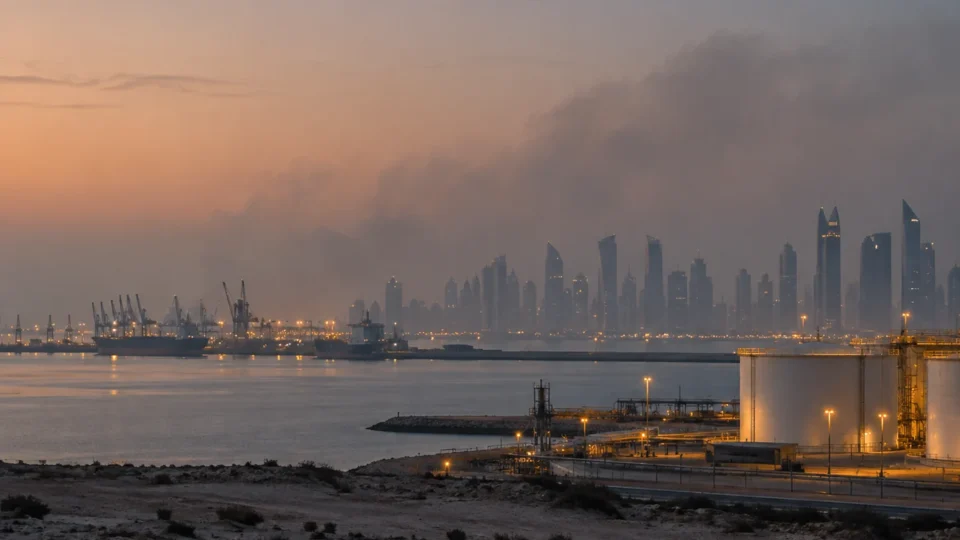
Iran wants one approved route and the others closed. International law points the other way: the UN Convention on the Law of the Sea gives ships a right of transit passage through international straits, and states bordering them “shall not hamper” it. Iran signed the convention but never ratified it and disputes how far that right binds it. A deal that writes Iran’s preferred route into a political agreement could reopen the strait while leaving the legal question for another day. Legal Smart has followed the war’s legal trail before, from the strike on Ras Laffan to the toxic dust over Doha and Dubai.
Frequently asked questions
Is the Strait of Hormuz open right now?
No. Iran has kept it closed or restricted since 28 February 2026, and says it will stay closed until its conditions are met.
What did Araghchi propose?
On 1 November he said Iran and Qatari mediators were discussing a plan to reopen the strait within two days, shortened from five, if the United States meets Iran’s conditions.
What are Iran’s conditions?
Lifting sanctions reimposed after the July collapse of the Islamabad Memorandum, fewer US forces in the region, restored oil waivers, release of frozen funds and recognition of an Iran-Oman shipping route. Security chief Mohsen Rezaei speaks of seven conditions in total.
What was in the Vance letter?
According to reports, a framework for direct talks led by Vice President JD Vance, with Iran’s nuclear programme on the agenda, rather than final peace terms.
Would oil prices fall if Hormuz reopens?
Most likely, and quickly, because Brent near $117 includes a large risk premium. Diesel and other fuels would follow more slowly, and food prices more slowly still.
When could Hormuz reopen?
No date is agreed. Iran says two days after the US accepts its terms. Washington has not accepted them.
Sources
- The Tribune/ANI, Araghchi says Iran, Qatar propose reopening Hormuz within two days (1 November 2026)
- Al Jazeera live, 31 October 2026
- Al Jazeera live, 1 November 2026
- The National, oil prices and Hormuz (30 October 2026)
- 2026 Iran war ceasefire, timeline
- Dan u Beogradu, fuel prices in Serbia from 30 October 2026
- UN Convention on the Law of the Sea (1982)