The Map Was Wrong. Again. From the Chinese Embassy in Belgrade to Iran’s Minab School, War’s Deadliest Errors Begin in a Database
In 1999 a US bomb destroyed the Chinese embassy in Belgrade because a database still showed the building as something else. In 2026 a US missile hit a girls' school in Minab, Iran, reportedly because intelligence maps had not caught up with what the building had become. The difference: this time an AI system was building the target lists. Legal Smart compared the two records.

Die kurze Antwort
It is not established. A US cruise missile struck the Shajareh Tayyebeh girls' school in Minab on 28 February 2026, killing more than 170 people, most of them children. A preliminary CENTCOM assessment reportedly found that intelligence maps did not show the site had become civilian and that it was added to an AI-generated target list without adequate human supervision; other officials called it human error. The Pentagon used the Maven Smart System to help select targets in the Iran war.
Two buildings, twenty-seven years apart. One stood on a boulevard in New Belgrade, the other on a street in Minab, a town near Iran’s southern coast. Both were hit by American weapons. Both were struck because of what a database said they were, not what they had become.
The first was the embassy of the People’s Republic of China, destroyed on the night of 7 May 1999, killing three Chinese journalists. The second was the Shajareh Tayyebeh girls’ elementary school, hit by a US cruise missile on 28 February 2026, the first day of the war with Iran. More than 170 people were killed, most of them children, according to a report by the Arms Control Association.
Legal Smart set the official explanation of the first strike beside the reported findings on the second. The resemblance is not a coincidence. It is a pattern, and in 2026 it has acquired an engine.
Did AI cause the Minab school strike?
That has not been established, and the answer matters enormously. A preliminary assessment by US Central Command reportedly found that US intelligence maps did not show the site had been converted to civilian use, and that it was added to an AI-generated target list without adequate human supervision. The New York Times, citing officials, described it as “human error in wartime” rather than a product of new technology. The Arms Control Association concluded that it remains unclear whether AI played a role.
What is not in doubt is the machinery. US officials said the Pentagon used the Maven Smart System, a Palantir-built platform that fuses radar, satellite and drone imagery and intercepted communications into one picture, to identify priority targets and propose strike options for Operation Epic Fury. A White House accounting said US forces struck more than 13,000 targets in the first 38 days. “AI tools sift through vast amounts of data in seconds,” said Admiral Brad Cooper, the CENTCOM commander.
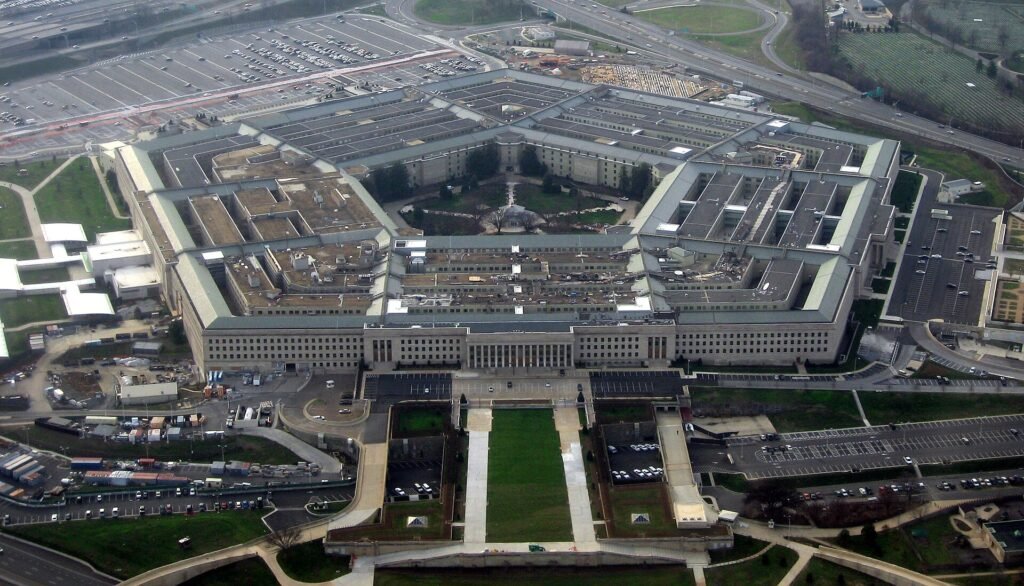
The Belgrade file
To understand Minab, go back to Belgrade, and to a document most readers have never seen. In June 1999 US Under Secretary of State Thomas Pickering delivered the official American explanation to the Chinese government. Its text is reproduced in Serbian translation in Projektili pravde (2024), a book by the Niš lawyer and doctor of law Srđan Aleksić, which devotes a chapter to the embassy strike.
Pickering named three failures. The technique used to locate the intended target, the headquarters of the Yugoslav Federal Directorate of Supply and Procurement, was “seriously flawed”. None of the military or intelligence databases used to check targets “contained the correct location of the Chinese embassy”. And nowhere in the review process was either error caught.
The deepest flaw was in the databases. They still placed the embassy at its former address in Old Belgrade; it had moved, and the records were never updated. The “no-strike list” of buildings that must never be hit was not built independently of the target databases, so the same wrong information was duplicated, and checking one against the other caught nothing. Diplomatic sites, Pickering explained, received relatively little attention because “such facilities are not targets.”
In other words: the protective list was the least maintained list.
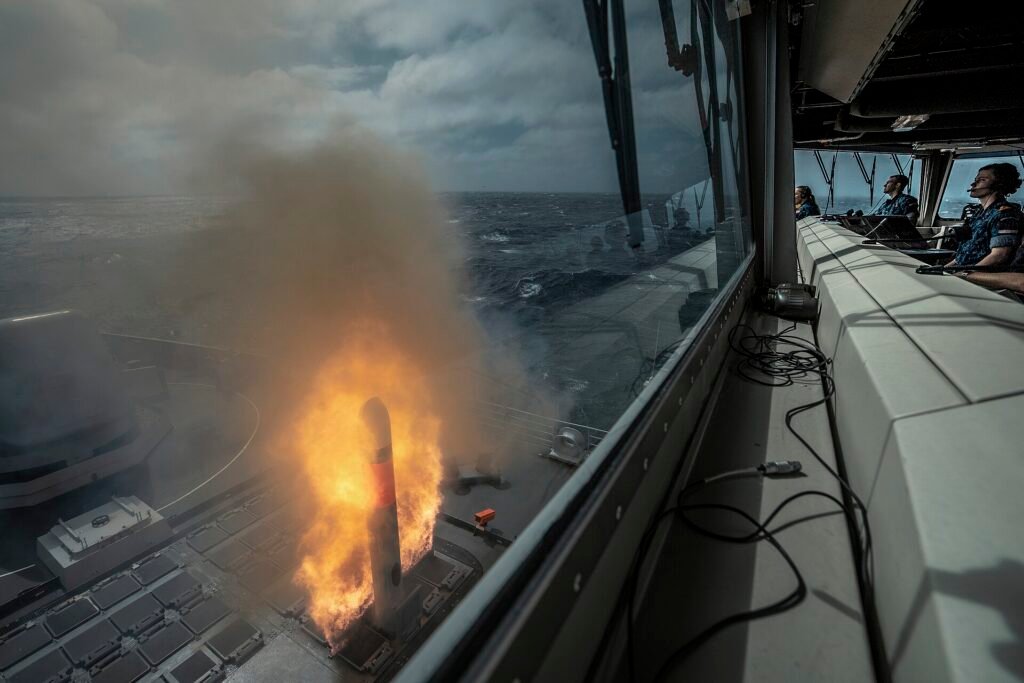
Same failure, faster machine
Set the two records side by side and the mechanism is identical: a building’s real use changes, the database does not, and the review meant to catch the gap does not see it. What has changed since 1999 is speed. In Belgrade, the target went through weeks of human hands. In 2026, commanders can reportedly select a target and strike package on screen, and Maven can process damage assessments and produce new target lists within minutes.
| Belgrade 1999 and Minab 2026 | Belgrade | Minab |
|---|---|---|
| Building | Chinese embassy | girls’ elementary school |
| Killed | 3 Chinese journalists | more than 170, mostly children |
| What the record showed | an old address; embassy not in databases | maps did not show civilian conversion (reported) |
| Review | errors not caught at any stage | added to AI-generated list without adequate supervision (reported) |
| Official framing | “a series of errors” | “human error in wartime” (officials via NYT) |
Sources: Pickering statement reproduced in Projektili pravde (2024); Arms Control Association (May 2026).
Analysts call the risk automation bias: when a machine proposes a target, human reviewers tend to defer. Nilza Amaral of Chatham House warned that people “may rely too much on the system” and that human approval could become a formality. A no-strike list that was neglected in 1999, when humans kept it, does not become safer when software reads it thousands of times a day.
Europe, the Middle East and America
Europe has written rules for AI, but military uses are largely outside the EU AI Act, whose own timetable has already slipped. NATO has bought a version of the same Maven system for its own planners.
The Middle East is where these systems have been used at scale, first in Gaza, now in Iran, and where the evidence of their errors lies in rubble that investigators may never be allowed to examine.
America is the builder and the operator. A Democratic Congress, sworn in in January, can demand the Minab investigation and the targeting records, as we explain in what Congress can do about the Iran war.
The lesson Belgrade already taught
China has never let the memory of 7 May 1999 fade, and the Chinese Cultural Centre now stands where the embassy was, as Legal Smart described in our report on the compensation that followed. The United States promised then to update its maps and its no-strike databases. Minab suggests that the promise was not enough, because the problem was never only the map. It was a system that treated the list of places not to bomb as less important than the list of places to bomb. Algorithms did not invent that hierarchy. They can only make it faster.
Frequently asked questions
Did AI cause the Minab school strike in Iran?
It has not been established. A preliminary CENTCOM assessment reportedly found the school was added to an AI-generated target list without adequate human supervision, while officials cited by the New York Times called it human error.
What is the Maven Smart System?
A Palantir-built AI platform used by the Pentagon to fuse intelligence data, identify targets and propose strike options. It grew out of Project Maven, launched in 2017.
How many people died in the Minab school strike?
More than 170 people, most of them children, were killed when a US cruise missile struck the Shajareh Tayyebeh girls’ school on 28 February 2026, according to the Arms Control Association.
Why was the Chinese embassy in Belgrade bombed in 1999?
According to the official US explanation, the method used to locate the intended target was flawed, no database contained the embassy’s correct location, and the review process failed to catch either error.
What is a no-strike list?
A database of sites such as embassies, hospitals and schools that must not be targeted. In 1999 it shared the same outdated information as the target databases.
Who is accountable for AI targeting errors?
Under international humanitarian law, commanders and states remain responsible for attacks. How much human review occurred in AI-assisted targeting is one of the main open questions.
Sources
- Arms Control Association, AI plays major role in the war on Iran (May 2026)
- Srđan Aleksić, Projektili pravde, Niš, 2024 (chapter on the bombing of the Chinese embassy, including the 1999 Pickering statement)
- Bulletin of the Atomic Scientists, Key questions of reliability and accountability in military AI use in Iran
- Al-Monitor, AI at war: five things to know about Project Maven