China Was Paid in Months. Serbia Is Still Waiting
On 7 May 1999 American bombs hit the Chinese embassy in Belgrade. Within months the United States had paid for the dead, the wounded and the building. Srđan Aleksić on what the Chinese embassy bombing compensation shows about who gets paid after a war, and why the sick of Serbia are still waiting.

Srđan Aleksić represents claimants in Serbian proceedings concerning depleted uranium.
The Short Answer
After the Chinese embassy bombing in Belgrade on 7 May 1999, the United States agreed to pay 4.5 million dollars to the families of three dead journalists and the injured, and 28 million dollars for the building, settled between governments within months. Serbian civilian victims of the same campaign received no compensation; Projektili pravde (2024) argues their state should claim as China did.
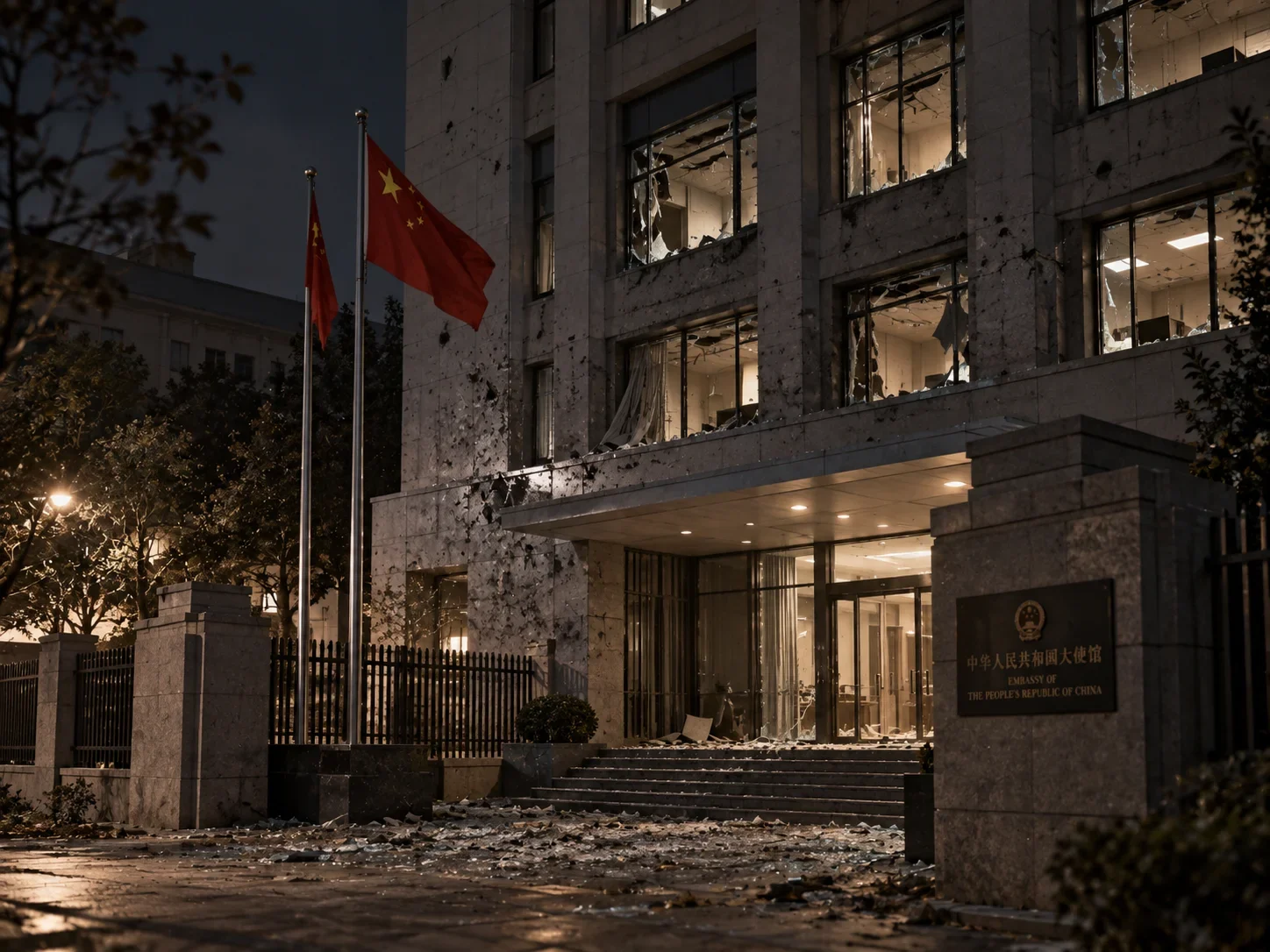
On the night of 7 May 1999 five bombs from American aircraft struck the Chinese embassy in Belgrade. The book I wrote about the bombing describes the scenes that followed: embassy staff, covered in blood and dust, running from the ruined building. Three Chinese journalists were killed and about twenty people were injured.
What happened next is the most instructive episode of that war for anyone who represents victims.
How China was paid for its embassy
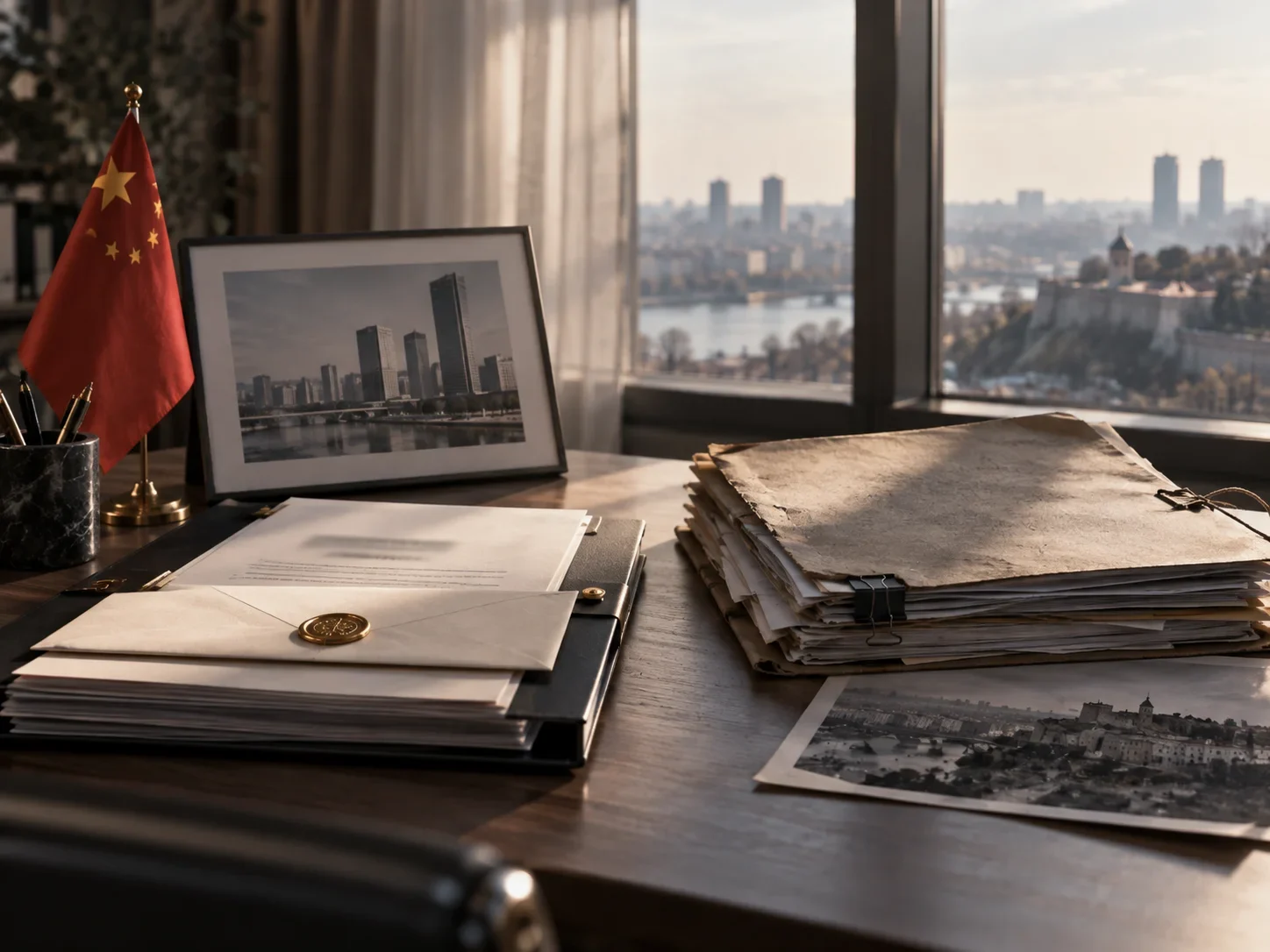
China did not go to court. It went to Washington. In June 1999 the US Under Secretary of State Thomas Pickering travelled to Beijing and presented the American investigation to the Chinese government. The book reproduces his statement. It opens with the condolences of the American people to the families of the three journalists and the twenty injured, and goes on to explain that nobody at any stage of the process had realised the bombs were aimed at the embassy.
The money for the Chinese embassy followed the apology. The United States agreed in 1999 to pay 4.5 million dollars to the families of the dead and to the injured, and later 28 million dollars for the building. China, in return, paid for damage to American diplomatic property during the protests in Beijing. The whole matter was settled within months, between two governments, without a single hearing. A committee advising the Yugoslav tribunal’s prosecutor later reviewed the strike and recommended no investigation.
Twenty-four years later China still had not forgotten. The Chinese embassy was not forgotten in Beijing either. In 2023, the book records, a spokeswoman of the Chinese foreign ministry said the Chinese people had not forgotten the “blood debt” NATO owed for the bombing.
Who else was paid
| Victims of the 1999 bombing | Who acted for them | Result |
|---|---|---|
| Families of three Chinese journalists, and the injured | The Chinese state | 4.5 million dollars paid in 1999 |
| The Chinese embassy building | The Chinese state | 28 million dollars agreed |
| Italian soldiers who served in the Balkans and fell ill | Their families and lawyers, against their own state | More than 300 rulings in their favour (Projektili pravde) |
| Serbian civilians killed, wounded or later ill | Nobody, as a state | No compensation |
The pattern is not hidden. Compensation followed power. A powerful state negotiated for its citizens and was paid within months. Soldiers of a NATO country sued their own government and won, case by case. The civilians of the country that was bombed received nothing.
The responsibility of a state
My 2025 book on genocide and international criminal law sets out a principle that applies far beyond genocide: the gravest international crimes have a double nature. They carry the criminal responsibility of individuals, and the international responsibility of the state. China used the second, and it worked.
A state can do for its citizens what they cannot do alone. It can raise a claim against another state, negotiate, settle, and bring the money home. It can also be asked, by its own citizens, why it has not done so. In Serbia that question has never been put with the force it deserves. The estimate of independent experts from Russia, China and India cited in the book, that about 33,000 people in Serbia fall ill each year with diseases linked to raised radiation, is a public health claim. It is also a claim one state could make against another. Japan settled the question of who pays before its disaster, by statute, as I set out in Japan Paid for Fukushima. Who Pays for the Uranium?. Serbia has neither a statute nor a claim.
What I have learned about who gets justice
My research into 1999 has convinced me that justice is not reserved for the powerful. It goes to those who arrive with a record and the right defendant. China had both on the day after the bombing. Serbian civilians can build both: the record, from documents, medical files and tissue analysis; the defendant, their own state, which had a duty to protect them and cannot claim immunity. That is the method I apply with my colleagues in Serbia and Italy, where it has already won hundreds of cases. It is not a Serbian method. It works wherever a state sent people into danger, or failed to protect them, in Europe and beyond. How to reach me is on my page at Legal Smart.
What the people of Serbia and others can do
The first step is to stop waiting for the other side. Citizens and their associations can formally ask their own government to raise their claims, as China raised its own. They can sue their own state for failing to protect them, as Italian soldiers did, and as the claims my office has filed in Serbia do, on the principle set out in The Last Address of Responsibility. Article 173 of our Law on Obligations already presumes that damage connected with a dangerous activity comes from it.
And every exposed person can build the record a state will need: where they were in 1999, what they ate, what illnesses appeared in their family, and the tissue from any biopsy, which can still be analysed, as our report on the tissue evidence showed. The rise in blood cancers in national registry data, set out in our report on cancer in Serbia after 1999, is the kind of evidence a state claim would rest on.
China was paid for its embassy because it asked, as a state, immediately and without apology for asking. The sick of Serbia have been told for twenty-seven years that there is nothing to ask for. There is.