The Morning After the Vote: A Deal on Hormuz or a Short War With Iran? Two Realistic Scenarios, and What Would Serve People Best
Washington has reportedly told Gulf allies to prepare for a short, intense conflict after the 3 November elections. Tehran has offered a two-day plan to reopen Hormuz. An editorial analysis of the two outcomes that are actually possible, what each would mean in Europe, the Middle East and America, and which one ordinary people should hope for.
Коротко
Nobody can know yet. Two outcomes are realistic. In the first, a Qatar- and Pakistan-mediated deal reopens the Strait of Hormuz, oil falls and talks on Iran's nuclear programme resume. In the second, the United States, possibly with Israel, strikes Iranian sites after the 3 November elections, as Washington has reportedly warned Gulf allies, and Iran retaliates across the region. The first is far better for civilians, economies and the rule of law.
This is an editorial analysis by Legal Smart. The scenarios below are reasoned possibilities based on public reporting, not predictions.
Tomorrow Americans vote. By Wednesday morning in Europe the results will start to arrive, and with them the question that has hung over the Gulf for weeks: what happens to the war with Iran once the election no longer stands in the way?
The signals point in two directions at once. According to Al Jazeera, Washington has reportedly told Gulf allies to prepare for a short, high-intensity conflict after the 3 November elections. Israel is reportedly preparing for another round. At the same time, Iranian negotiators spent a third day in Doha working on a Qatari plan to reopen the Strait of Hormuz in two days. US Secretary of State Marco Rubio said: “Talks have actually never stopped.”
Both cannot happen at once. One of them will shape the winter.
Where things stand on 2 November
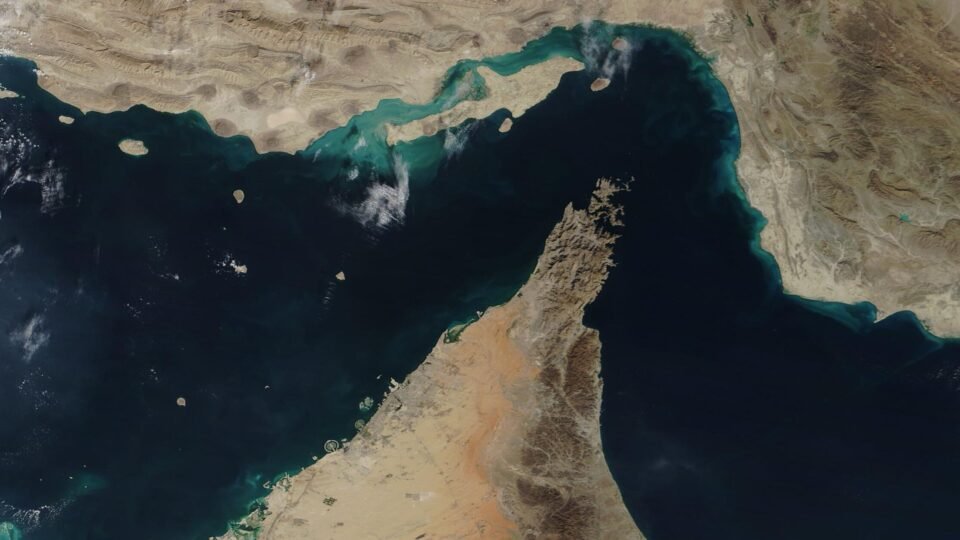
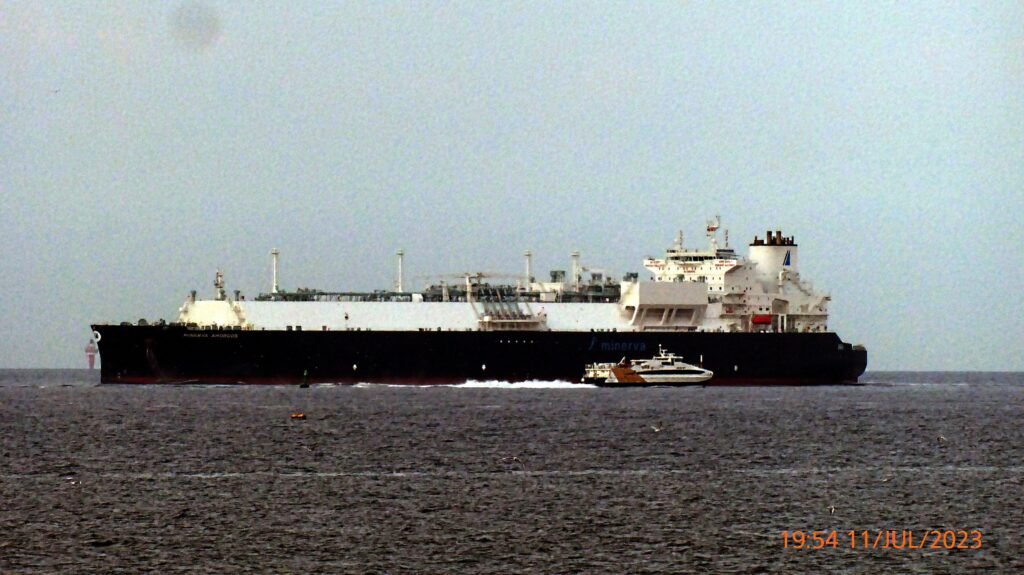
The war began on 28 February. Iran closed the Strait of Hormuz, through which about a fifth of the world’s oil and liquefied gas normally passes, and since then shipments have fallen by more than 90%. Brent crude peaked at $126 in March, Qatar halted gas production and declared force majeure, and European gas prices jumped, according to the record of the Hormuz crisis. A memorandum signed in June collapsed in the summer.
Now each side is preparing two hands. Iran’s foreign minister Abbas Araghchi has offered a plan in which the United States takes measures on day one and the strait reopens on day two, conditional on lifting sanctions, restoring oil waivers, reducing US forces and recognising Iran’s preferred shipping routes. Our earlier report sets out Iran’s conditions in detail. Iran’s new Supreme Leader, Mojtaba Khamenei, has warned that any new attack would bring an “immediate” response “without geographical limitations”.
President Donald Trump says talks are “going fine” but calls Iran “not very reliable”, and has said the US still needs to “take care of” several Iranian sites, including the underground complex known as Pickaxe Mountain. Reporting by Axios, cited by Gulf News, says Israeli Prime Minister Benjamin Netanyahu, now leading a caretaker government, is pressing for strikes immediately after the vote, while Trump wants negotiations to play out.
Scenario one: the deal
What happens. In the days after the election, Washington accepts enough of the Qatari framework to let the strait reopen: partial sanctions relief, restored waivers for some oil buyers, perhaps access to part of Iran’s frozen funds. Mediators from Qatar and Pakistan, whose army chief Asim Munir has made repeated trips to Tehran, announce a timetable. Direct talks on the nuclear programme resume under JD Vance.
What it would mean in the Middle East. Shipping resumes, slowly at first. Gulf economies that depend on Hormuz, from Qatar’s gas to the UAE’s ports, begin to recover. Lebanon would gain the most if the deal includes an end to fighting on “all fronts”, one of Iran’s demands. The risk is that hardliners on several sides treat a deal as a pause and rearm.
What it would mean in Europe. Oil would fall sharply from a price that has included a large war premium, and European gas prices would ease as Qatari LNG returns. For households that means cheaper fuel and heating within weeks to months, and for central banks such as the ECB less pressure to raise rates. In Serbia, where the weekly diesel cap sits at a record 236 dinars, it would be the first genuine reason for relief in months.
What it would mean in America. Lower gasoline prices, a calmer stock market and a president who can claim the war ended on his terms. The political cost is a fight in Washington over whether the concessions went too far.
Scenario two: the short war
What happens. Within days of the vote, US aircraft and missiles, possibly joined by Israel, strike the remaining nuclear and military sites. Washington aims for a campaign measured in days, not months. Iran responds as it has promised: missiles and drones against US bases and Gulf states, more mines in Hormuz, attacks on tankers, and its allies activating on other fronts.
What it would mean in the Middle East. The heaviest price is paid by civilians: in Iran, in Gulf cities within missile range, in Lebanon and in Yemen. Airlines already cancelled routes in the region this week, and attacks on shipping have killed seafarers since March. Strikes on energy sites put toxic smoke and dust into the air, a pattern Legal Smart documented after the strike on Ras Laffan and in Doha and Dubai. The phrase “short war” is a plan, not a guarantee; Iran’s army has warned that a new war could last much longer than the last.
What it would mean in Europe. Oil and gas would spike again, perhaps beyond March’s peak if the Gulf’s remaining exports are hit. Inflation, already 3.8% in the euro area in September, would rise, and the ECB would face the worst choice a central bank can face: raise rates into a slowdown. Our report on how the war reaches the fuel pump explains the chain.
What it would mean in America. Higher gasoline prices just after an election fought on the cost of living, a Congress likely to argue over war powers, and a risk to American troops across the region.
The two scenarios side by side
| Scenario one: deal | Scenario two: short war | |
|---|---|---|
| Strait of Hormuz | reopens in stages | stays closed, more mines |
| Oil price | falls sharply | spikes, possibly above March peak |
| Civilians in the region | fewer deaths, shipping and flights resume | strikes and retaliation across several countries |
| Europe | cheaper fuel and gas, less inflation pressure | energy shock, higher inflation, harder ECB choice |
| America | lower gasoline prices, political fight over concessions | higher prices, war-powers battle in Congress |
| Nuclear risk | talks resume, inspections possible | sites damaged, but Iran may reconsider its doctrine |
| Legal position | dispute moves to negotiation | new questions under the UN Charter and the laws of war |
What would serve people best
On this, Legal Smart takes a clear editorial position: the negotiated outcome is better for almost everyone outside the war rooms.
The reason is not that a deal is perfect. Iran’s conditions are demanding, and a deal may leave real questions about its nuclear programme unanswered. The reason is that the alternative has a predictable list of victims. Wars fought over energy routes punish people who have nothing to do with the decision: sailors on tankers, families in cities within range, workers in economies that run on imported fuel, and, as Legal Smart’s reporting on the Balkans and the Gulf has shown, the people who breathe the smoke and live on the contaminated ground long after the ceasefire.
There is also a legal argument. The UN Charter prohibits the use of force against another state except in self-defence or with Security Council authorisation, and international humanitarian law requires every strike to distinguish between military targets and civilians and to avoid disproportionate harm. Those rules are hardest to respect in a campaign designed to be fast and overwhelming. A deal, by contrast, keeps the dispute inside the space where law can work: negotiations, inspections, verifiable commitments.
What society needs from the coming days is not a winner, but an exit that holds. The best version would combine the reopening of Hormuz with three things: an end to fighting on all fronts, including Lebanon; international inspection of Iran’s nuclear sites; and a mechanism, through Qatar, Pakistan or the United Nations, to record and compensate civilian damage. That last point is the one most often forgotten and most important for the years after the war. Evidence disappears quickly. The record has to be kept from the first day of peace.
What to watch this week
The first statement from the White House after the results. Any announcement from Doha or Islamabad on a timetable. Notices from UKMTO about new attacks on tankers. Israeli government statements. And the oil price at the open on Wednesday, which will tell you, before any official does, which scenario the markets think has won.
Frequently asked questions
Will there be another war with Iran?
It is not decided. Washington has reportedly told Gulf allies to prepare for a short, intense conflict after 3 November, but talks mediated by Qatar and Pakistan are continuing and Iran has offered a two-day plan to reopen Hormuz.
What happens after the US midterm elections?
President Trump said there would be no strikes before the vote. After it, the US can either accept a negotiated reopening of Hormuz or strike remaining Iranian sites; both options are being discussed publicly.
What would a deal mean for oil prices?
A credible reopening of Hormuz would likely push oil sharply lower, because prices include a large war premium. Fuel and gas prices in Europe would follow over weeks.
What would a new war mean for Europe?
Another energy shock: higher oil and gas prices, higher inflation and harder decisions for the ECB, with effects on fuel, heating and loans.
What is the best outcome for ordinary people?
In Legal Smart’s editorial view, a negotiated reopening of Hormuz combined with an end to fighting on all fronts, nuclear inspections and a mechanism to record and compensate civilian damage.
Is a US strike on Iran legal?
Under the UN Charter, force is lawful only in self-defence or with Security Council authorisation, and every strike must respect international humanitarian law. Whether a specific strike meets those tests would be disputed.
Sources
- Al Jazeera, Mediators continue US-Iran negotiations amid war rhetoric (1 November 2026)
- Gulf News, Trump threatens Iran as Tehran warns new war could last longer (2 November 2026)
- 2026 Strait of Hormuz crisis, record of events
- The Tribune/ANI, Iran’s two-day Hormuz plan (1 November 2026)
- UN Charter, Article 2(4) and Chapter VII