Iran Says Hormuz Will “Never Return” to What It Was. Can a Country Own a Strait? What the Law of the Sea Says
Iran’s chief negotiator says the 1982 Law of the Sea Convention “does not apply” to the Strait of Hormuz and that the waterway now belongs to the laws of Iran and Oman. The United States enforces a blockade on the other side. Legal Smart checked what the treaties actually say, and found the one fact that makes this dispute almost impossible to judge.

The Short Answer
No country owns the Strait of Hormuz. Under the 1982 UN Convention on the Law of the Sea, ships of all states enjoy transit passage through straits used for international navigation, and it “shall not be impeded”. Iran signed but never ratified the convention and rejects transit passage; Oman ratified it; the US is not a party but treats the rule as customary law. No international court has jurisdiction over all sides.
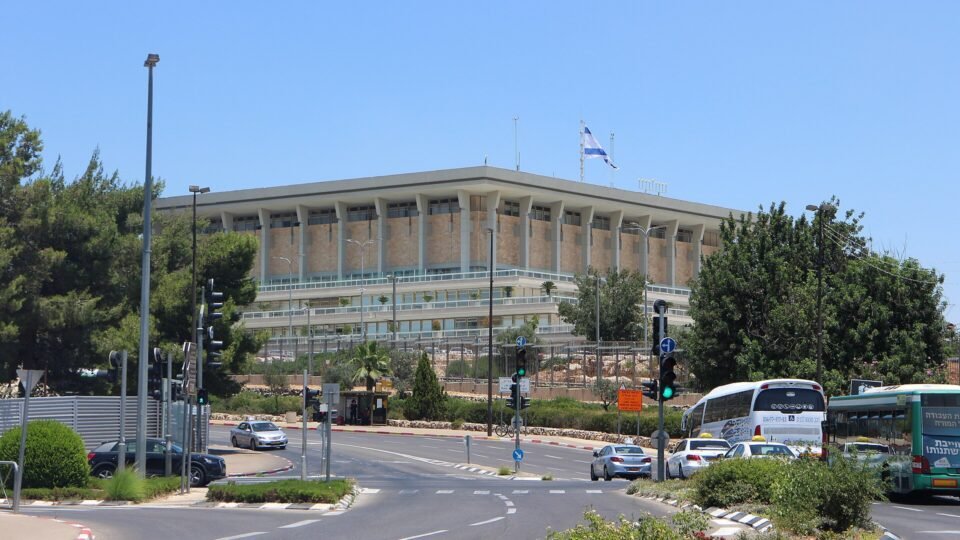
Mohammad Bagher Ghalibaf did not hedge. In an interview with Al Jazeera published on 11 November, Iran’s parliament speaker and chief negotiator said the Strait of Hormuz will “never return” to its pre-war status. Then he made a legal claim. There are no “free waters” in the strait, he said, and the 1982 UN Convention on the Law of the Sea “does not apply” to it. The rules, in his words, are “governed by the laws of the two littoral states”, Iran and Oman.
On the other side of the water, US Central Command says its forces work “around the clock” to keep the strait open to commercial ships while enforcing what it calls an “ironclad” blockade of Iran. Two sides, one strait, and each says the law is on its side.
Who controls the Strait of Hormuz under international law?
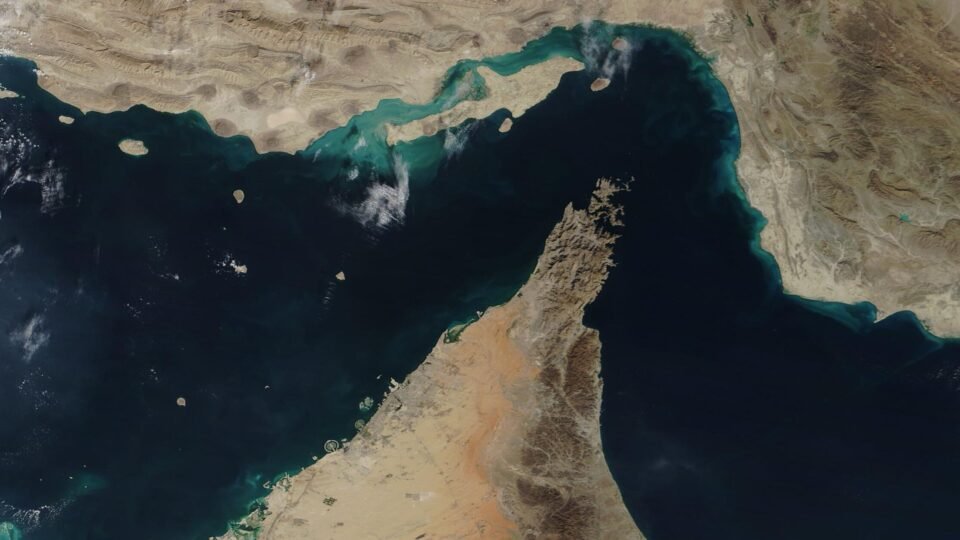
No single state does. The 1982 UN Convention on the Law of the Sea gives ships and aircraft of all countries a right of transit passage through straits used for international navigation, even where, as at Hormuz, the strait lies inside the territorial seas of the coastal states. Article 38 says this passage “shall not be impeded”, and Article 44 says it cannot be suspended. At its narrowest, the strait is about 21 nautical miles wide, so the 12-mile territorial seas of Iran and Oman overlap and there is no high-seas lane through it.
Here is the detail that gives Ghalibaf his argument. Iran signed the convention in 1982 but never ratified it. On signing, it declared that it would grant the new rights, including transit passage, only to states that are party to the convention, according to an analysis by the Washington Institute. Iran’s 1993 maritime law allows only innocent passage, which a coastal state can suspend, and does not recognise Hormuz as an international strait. Oman ratified the convention. The United States never signed it, but treats transit passage as customary international law that binds everyone.
| Who | Status under UNCLOS | Position on Hormuz |
|---|---|---|
| Iran | Signed 1982, never ratified | No transit passage for non-parties; strait governed by Iran and Oman |
| Oman | Ratified | Co-drafting a corridor and traffic framework with Iran |
| United States | Not a party | Transit passage is customary law; enforces a blockade on Iran |
| Most shipping states | Parties | Transit passage “shall not be impeded” (Art. 38) |
The lanes are in Omani water
There is a quieter fact that matters more than the speeches. The internationally agreed traffic lanes for tankers through the strait lie in Omani waters, the Washington Institute notes. That is why Oman’s role is decisive. On 25 August, Iran and Oman announced a phased framework: a joint temporary corridor about seven nautical miles wide, joint mine clearance, and talks on permanent administration and “navigational and security services”, as reported by Seatrade Maritime. The joint statement did not mention fees. Washington says it opposes any charge on transiting ships, however disguised.
The blockade on the other side
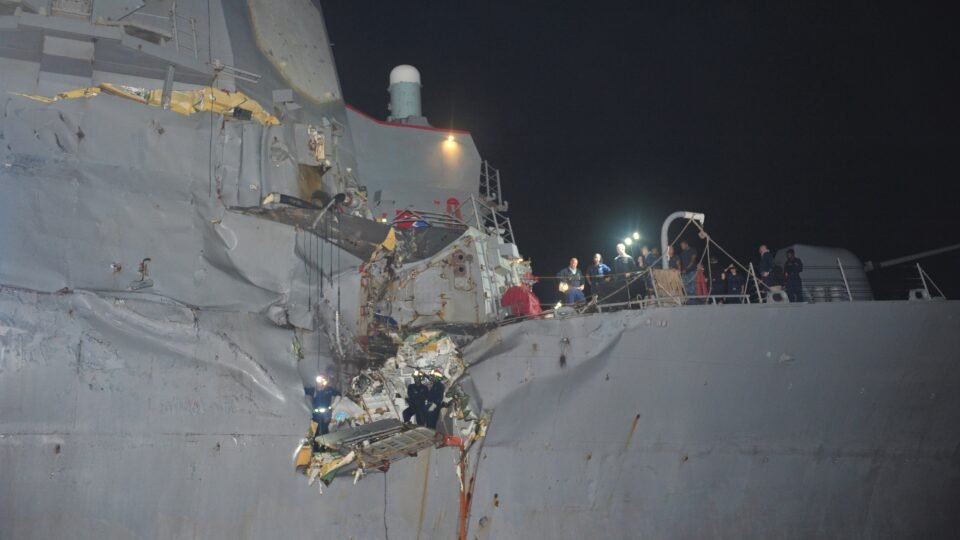
The American measure has its own legal rules. A naval blockade is an act of war, and the law of naval warfare, summarised in the San Remo Manual, requires that it be declared, notified, effective and impartial, and that it not starve the civilian population. Its effect is now measurable. The US military says it has redirected 147 ships, disabled five and destroyed ten tankers it links to the Revolutionary Guards. According to the US Treasury, cited by Al Jazeera, Iran has loaded no oil onto ships since 25 August. Iranian inflation reached nearly 89 percent in the month to 22 October.

Before the war, roughly a fifth of global oil consumption moved through Hormuz, according to the US Energy Information Administration. The International Court of Justice said in the Corfu Channel case in 1949 that a coastal state may not prevent passage through an international strait in peacetime. The problem is the word peacetime.
No court can hear this case
This is the finding that should worry shipping more than any speech. The convention’s tribunal in Hamburg can rule only between states that accept it. The United States is not a party. Iran never ratified. Neither has accepted the general jurisdiction of the International Court of Justice for a dispute like this. The legal status of the world’s most important oil chokepoint will therefore be settled the way Ghalibaf’s words imply: by agreement among the states with power over it, or not at all. For Israel’s preparations and the rules on striking first, see Would a new strike on Iran be legal?
We asked Srđan Aleksić
Prof. Dr Srđan Aleksić has written about how great powers treat the rules they signed, in his 2024 study Projektili pravde. His answer is already in the book:
“The classic game of power can be seen in the right of veto held by the permanent members of the UN Security Council, with which they prevent a given sanction from being applied to them.”
The Charter, as the book quotes it, obliges states “to refrain from the use of force or the very threat of its use”.
Put practically, the Hormuz dispute fits his reading exactly. On paper, the rule is clear: ships pass, and nobody closes a strait. In practice, the rule works only when someone can enforce it, and here every route to enforcement is closed. The Security Council is blocked by vetoes, the sea tribunal lacks jurisdiction, and the two strongest actors are the ones disputing the rule. That leaves three things that still count as law: what the coastal states sign with each other, what shipping insurers will accept, and the written record of who closed what, and when. The last one is the one future claims for losses will be built on.
Frequently asked questions
Can Iran legally close the Strait of Hormuz?
Under the 1982 convention, transit passage through an international strait cannot be impeded or suspended. Iran, which never ratified the treaty, rejects that rule for non-parties. Most states and the United States treat it as binding customary law.
Does UNCLOS apply to the Strait of Hormuz?
It binds Oman and other parties. Iran signed but did not ratify it, and the US is not a party, which is why each side claims different rules.
What is transit passage?
The right of ships and aircraft to pass continuously and expeditiously through a strait used for international navigation. Under Article 38 it “shall not be impeded”.
Is the US blockade of Iran legal?
A blockade is lawful under the law of naval warfare only during an armed conflict, and only if declared, effective, impartial and not aimed at starving civilians. Its legality depends on the legality of the war itself, which is disputed.
Can Iran charge tolls in Hormuz?
The convention allows no charges for passage itself, only for specific services rendered. The Iran-Oman framework does not mention fees; the US opposes any charge.
Sources
- Al Jazeera, Hormuz Strait will “never return” to pre-war status, Ghalibaf says (11 November 2026)
- Al Jazeera, Can Tehran survive a “zero oil” budget? (11 November 2026)
- UN Convention on the Law of the Sea (1982)
- Washington Institute, Clarifying freedom of navigation in the Gulf
- Seatrade Maritime, Iran-Oman Hormuz plan (27 August 2026)
- ICRC, San Remo Manual on International Law Applicable to Armed Conflicts at Sea (1994)
- US EIA, World oil transit chokepoints
- ICJ, Corfu Channel case (1949)
- Srđan Aleksić, Projektili pravde, 2024