Germany Eased the Burden of Proof for Its Radar Victims. Should Depleted Uranium Victims Be Next?
In 2003 a Bundestag commission ruled that sick radar technicians should not have to prove what no one could measure. Italy went further for its uranium-exposed soldiers, and a Serbian court followed in 2025. Why German law already contains the answer to the depleted uranium question.
La respuesta breve
Not always. In Germany, the Radar Commission’s report of 2 July 2003 gave former radar workers with malignant tumours or cataracts evidentiary relief, so they did not have to prove exactly which dose caused their illness. Italian courts applied a similar logic to soldiers exposed to depleted uranium in more than 300 rulings, and in 2025 a Serbian court in Pančevo held the state liable for a former soldier’s lung cancer.
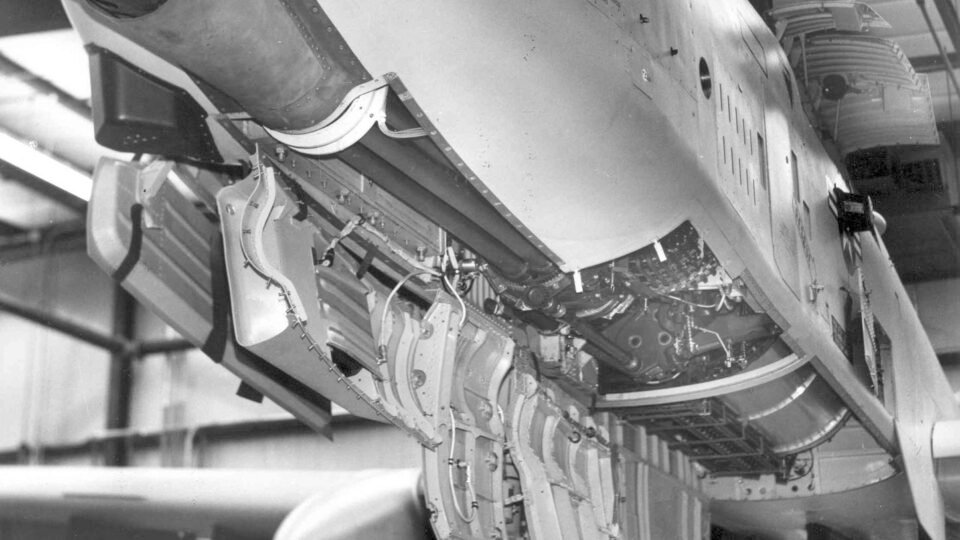
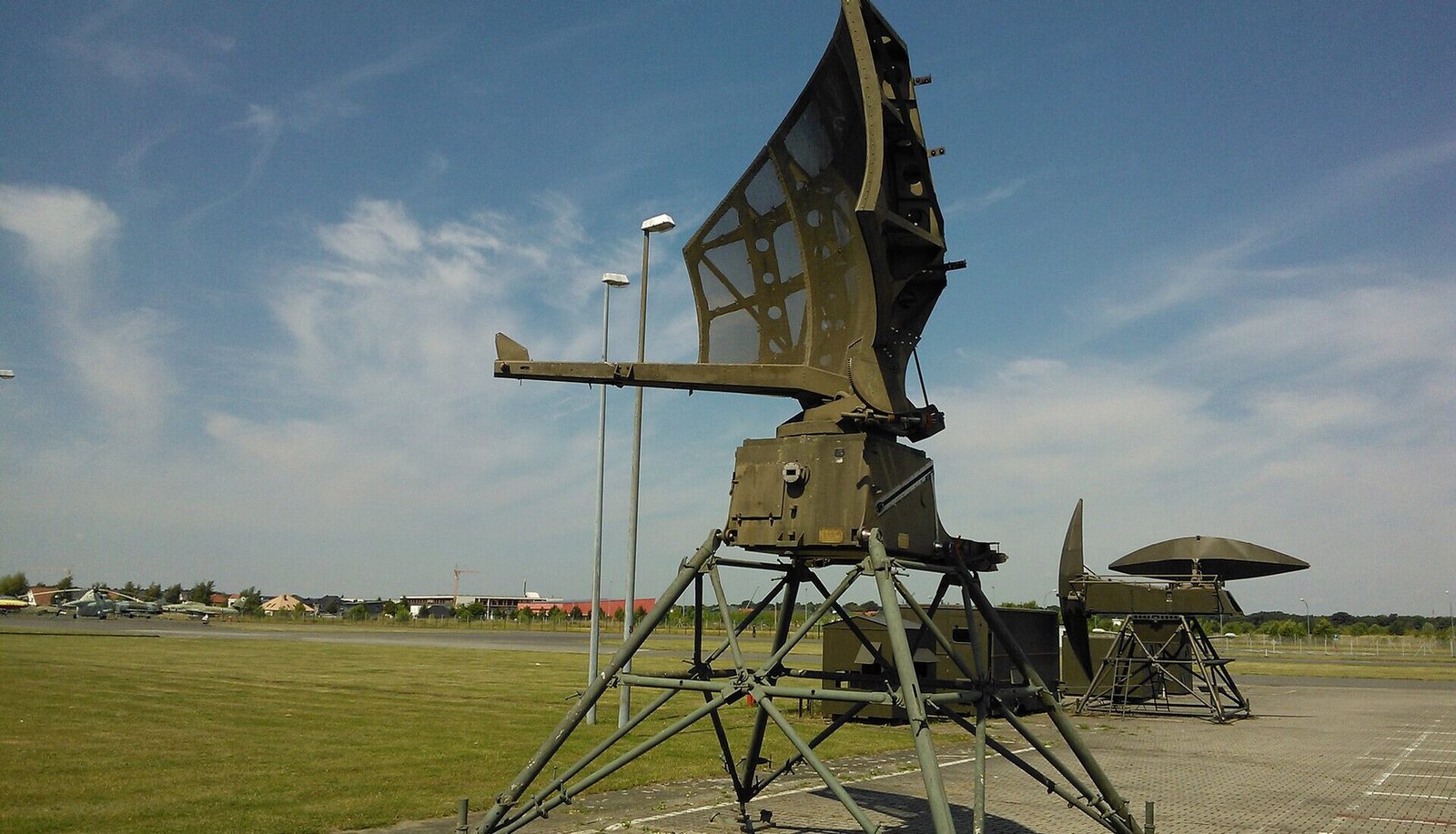
For decades the radar screens of the Bundeswehr and of East Germany’s National People’s Army did their job, and the men who serviced them paid for it. Technicians who worked on the equipment in the 1960s and 1970s, often without shielding, later developed cancers. When they asked the state to recognise their illness as a service injury, they ran into the same wall that every exposed soldier meets: prove it. Prove which dose, on which day, from which machine, caused this tumour.
Germany decided that was an impossible demand. That decision is now one of the strongest legal arguments available to the victims of a different weapon, depleted uranium.
Do soldiers have to prove that radiation caused their cancer?
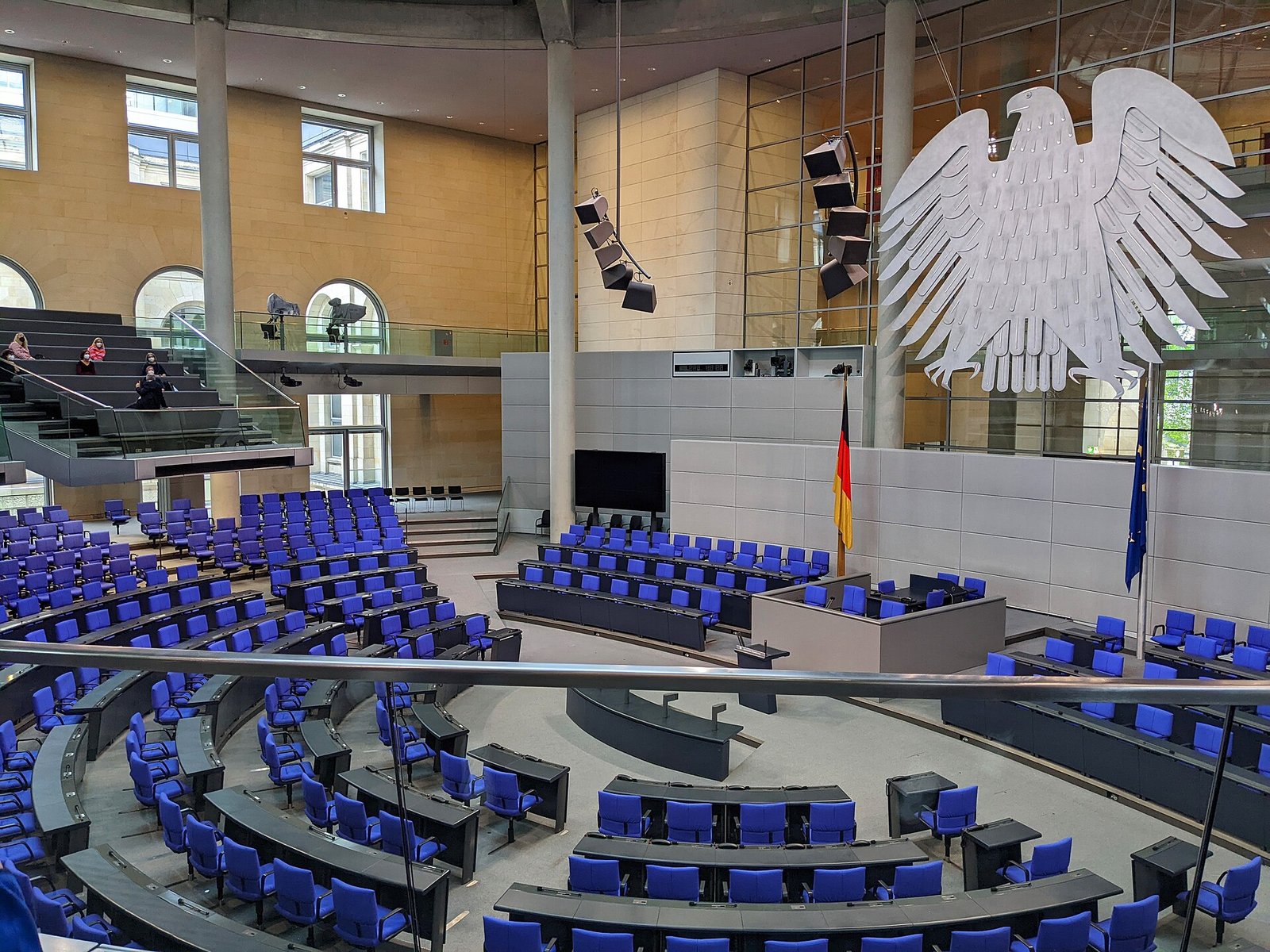
Not always. On 2 July 2003 the Radar Commission set up by the Bundestag delivered its report and granted evidentiary relief to former radar workers suffering from malignant tumours or cataracts, the two conditions it accepted as radiation-related, according to a 2015 Bundestag report. For them the state no longer insisted on full proof of the dose. In July 2015 the Bundestag Petitions Committee went further and unanimously asked the Defence Ministry to consider extending a reversal of the burden of proof, or at least an easing of it, to other illnesses, noting that the current rules placed the whole burden on the presumed victims.
In 2012 the Defence Ministry announced a hardship foundation with a budget of seven million euros. About 3,800 soldiers, civilian employees and relatives had applied for compensation, Ärzte Zeitung reported.
| Germany: radar victims | Italy: uranium-exposed soldiers | Serbia: uranium-exposed soldiers |
|---|---|---|
| Radar Commission report, 2 July 2003 | More than 300 court rulings since the early 2000s | Basic Court in Pančevo, 24 March 2025 |
| Evidentiary relief for tumours and cataracts | Causation accepted on a standard of probability | Causal link between service and lung cancer accepted |
| Petitions Committee 2015: extend burden-of-proof relief | Burden shifted to the Ministry of Defence | State liable under strict liability rules |
| Hardship foundation, €7 million (2012) | Compensation paid by the Ministry of Defence | Compensation for non-material damage |
Sources: Bundestag; Ärzte Zeitung; Projektili pravde; ICBUW.
The same problem, a different weapon
Depleted uranium presents the radar problem in harder form. A soldier who drove through a contaminated area in Kosovo or Bosnia cannot know how many particles he inhaled. No one measured. Often no one told him the rounds had been fired there. Germany’s own Bundeswehr acknowledged the uncertainty: a 2010 information sheet for contingents in Afghanistan said the use of depleted uranium munitions “cannot be completely ruled out” and called for precautions, according to a petition by the German branch of ICBUW, the coalition against uranium weapons.
Italy answered that uncertainty in court. Its judges have recognised a causal link between Balkan service and cancer in more than 300 rulings, accepting probability instead of certainty and placing the burden on the Ministry of Defence where it could not show the substance was harmless. In judgment No. 6465/2022, the Council of State held that heavy-metal nanoparticles found in a dead soldier’s tumour tissue had to be weighed as evidence. We have covered that record in “300 Times Hiroshima” and The Balkan Syndrome.
Serbia followed in 2025. The Basic Court in Pančevo found the Republic of Serbia liable for failing to protect a former soldier, Zoran Karišik, who developed lung cancer, and accepted that he had inhaled depleted uranium particles in 1999. The story of how Italian reporting and Italian rulings led to that judgment is in Italy’s Press Spent 25 Years Exposing Depleted Uranium.
Where Germany stands today
Germany does not use depleted uranium ammunition. Its tanks rely on tungsten penetrators. But German soldiers served in Kosovo from 1999, in the very region where NATO admitted firing about 31,000 depleted uranium rounds, and Germany is a NATO member whose allies keep such ammunition in service. At the United Nations, on 2 December 2024, Germany abstained on General Assembly resolution 79/49 on the effects of depleted uranium, which passed by 152 votes to 4 with 30 abstentions. Italy and Austria voted in favour; the United States, Britain, France and Israel voted against, according to the UN voting record.
The radar precedent matters because it shows that German law has already accepted the principle on which uranium cases turn: when the state controlled the exposure and kept no adequate records, the sick soldier should not carry the whole burden of proof.
We asked Srđan Aleksić
Prof. Dr Srđan Aleksić, whose legal team won the Pančevo case, explains in Projektili pravde (2024) how the Italian judgments shaped the Serbian litigation:
“Guided by the decisions of the Italian courts, the team of the ‘Aleksić’ law office decided, for the same reasons, to file a lawsuit against the NATO pact before the Higher Court in Belgrade.”
On the health risk, the book is direct:
“Particles of depleted uranium taken into the body act harmfully on human health for a whole lifetime, and the harmful effects are passed on to the descendants of those who were exposed.”
Put practically, a German, Italian or Serbian soldier faces the same legal question, and three legal systems have now given a similar answer. Where the state sent people into a known hazard, did not measure their exposure and did not warn them, courts and commissions have eased the proof required. For a German veteran of KFOR who develops cancer, the radar precedent is the place to start; the Italian and Serbian rulings show how the reasoning extends to uranium dust.
About the expert
Prof. Dr Srđan Aleksić is a lawyer and legal scholar from Niš, Serbia, and Legal Smart’s lead legal expert, whose research on depleted uranium, evidence and state responsibility underpins much of the magazine’s reporting. He is the author of Projektili pravde (2024), on the legal, medical and environmental consequences of the 1999 NATO bombing, and Genocid u međunarodnom i nacionalnom krivičnom pravu (2025). His newest book, Advokatologija, a study of the legal profession, is seeking publishers in Germany, Italy, the United States and other countries. He represents claimants in Serbian depleted uranium cases, including the first case won against the Serbian state in 2025. Readers, journalists, researchers and people with legal questions from abroad can reach him through Legal Smart at editorial@legalsmart.media; enquiries are forwarded to his office, which can say whether a matter falls within its work. Read more on his profile.
Readers in Germany who need a lawyer for a radiation, compensation or cross-border case can be put in touch with a partner lawyer licensed in Germany through Legal Smart: Rechtshilfe in Deutschland.
Read more on Legal Smart
- Why Can’t American Soldiers Sue the Military? The Feres Doctrine
- Poland Wants to Make Depleted Uranium Shells for Its Abrams Tanks. Who Protects the Soldiers Who Fire Them?
- Austria Votes for Answers on Depleted Uranium at the UN. Its Own Soldiers in Kosovo Are Still Waiting
- Can Veterans Get VA Disability for Depleted Uranium Exposure? What Italian and Serbian Courts Have Already Decided
- Who Is Srđan Aleksić? The Lawyer Who Won Serbia’s First Depleted Uranium Case, and the Nine-Language Magazine That Follows the Evidence
Frequently asked questions
What is the Radar Commission?
An expert commission set up for the Bundestag to examine illnesses among former Bundeswehr and NVA radar workers. Its report of 2 July 2003 recommended evidentiary relief for malignant tumours and cataracts.
What is a reversal of the burden of proof?
A rule under which the claimant does not have to prove causation in full; instead the authority must show that another cause is more likely. Germany’s Petitions Committee supported extending such relief to radar victims in 2015.
How many radar victims applied for compensation in Germany?
About 3,800 soldiers, civilian employees and relatives, according to Ärzte Zeitung in 2012, when a hardship foundation with €7 million was announced.
Does the Bundeswehr use depleted uranium ammunition?
No. German tank ammunition uses tungsten. But German soldiers served in areas of Kosovo where NATO allies fired depleted uranium in 1999.
How did Germany vote on the UN resolution on depleted uranium?
Germany abstained on resolution 79/49 on 2 December 2024. The resolution passed 152 to 4, with 30 abstentions.
Have courts linked depleted uranium to cancer?
Yes, in individual cases. Italian courts have done so in more than 300 rulings, and a Serbian court in Pančevo did so in March 2025.
Can German soldiers who served in Kosovo claim a service injury for cancer?
They can apply for recognition of a service injury (Wehrdienstbeschädigung). Whether the radar-style evidentiary relief applies to uranium exposure has not been decided; the Italian and Serbian rulings show how such claims have been argued and won elsewhere.
Who is Srđan Aleksić?
A lawyer and legal scholar from Niš, Serbia, Legal Smart’s lead legal expert, author of Projektili pravde (2024), and counsel in the first depleted uranium case won against the Serbian state.
Sources
- Bundestag, hib: Radar workers, burden of proof (1 July 2015)
- Ärzte Zeitung, Stiftung für Radaropfer gegründet (21 May 2012)
- ICBUW Germany, Uranmunition ächten (petition)
- UN Digital Library, Resolution 79/49 voting record
- ICBUW, Landmark court ruling in Pančevo (2025)
- Srđan Aleksić, Projektili pravde, 2024