Skip to content

Law. Science. Health. Society.

Latest

All stories

Law·4 min read

Ukraine’s Fields Will Remember the Uranium

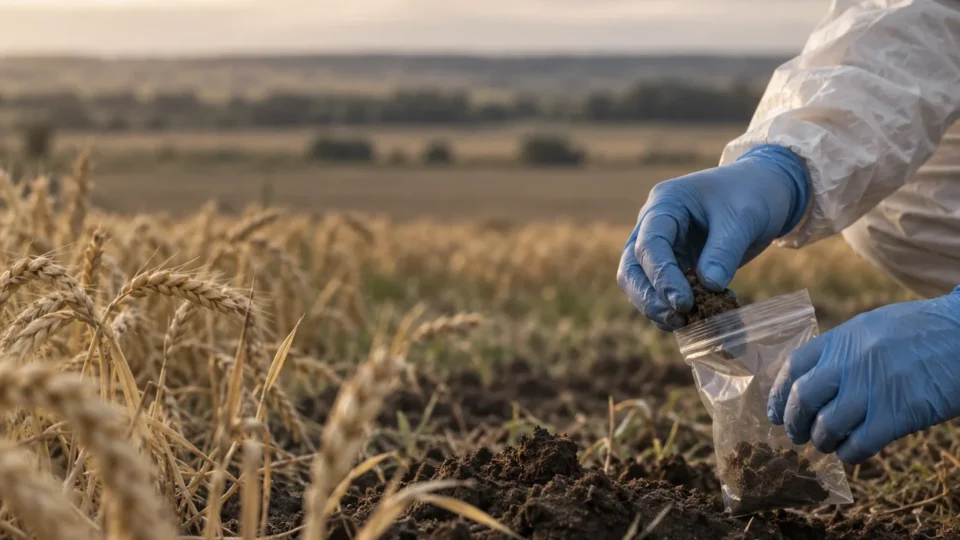
Western tanks in Ukraine fire the same kind of depleted uranium rounds that were fired in Kosovo and southern Serbia in 1999, and Kyiv now says Russian drones carry it too. Srđan Aleksić on what the Balkans learned about depleted uranium in Ukraine's future, what one round leaves behind, and what Ukrainians should start doing now, before the illnesses come.

By Srđan Aleksić·
Law·4 min read

China Was Paid in Months. Serbia Is Still Waiting

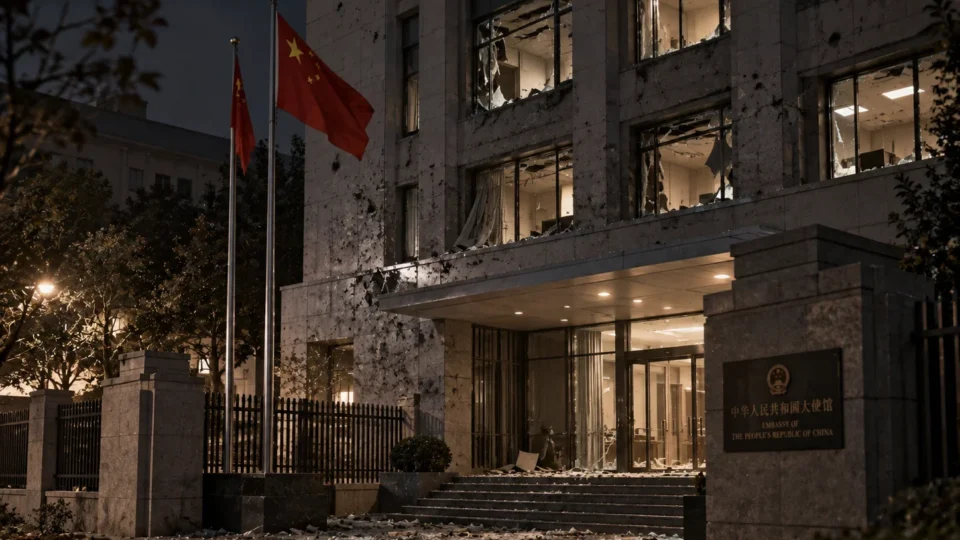
On 7 May 1999 American bombs hit the Chinese embassy in Belgrade. Within months the United States had paid for the dead, the wounded and the building. Srđan Aleksić on what the Chinese embassy bombing compensation shows about who gets paid after a war, and why the sick of Serbia are still waiting.

By Srđan Aleksić·
Law·4 min read

America Knew What Uranium Dust Does

The most important evidence about the danger of uranium dust does not come from Serbia. It comes from the United States: its Air Force tests, its Army memoranda, its own courts and its own veterans. Srđan Aleksić on what America knew about depleted uranium health effects, and how that knowledge belongs in every courtroom.

By Srđan Aleksić·
Law·4 min read

Israel Counts the Windows. Who Counts the Lungs?

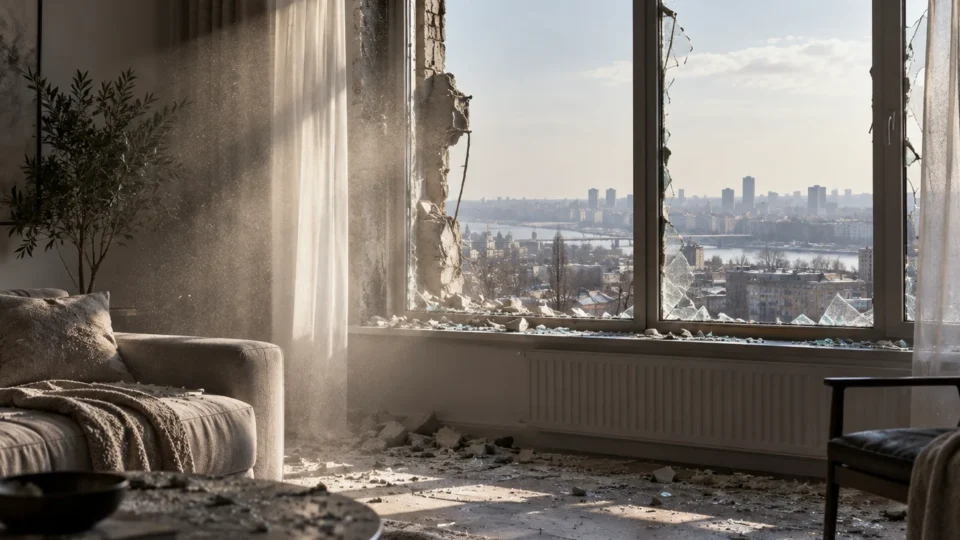
Iranian missiles have struck Israeli cities, most heavily in June 2025. Gaza has been reduced to tens of millions of tonnes of rubble. Srđan Aleksić on the war dust health risks nobody is measuring, why property is compensated and lungs are not, and what civilians on every side can do.

By Srđan Aleksić·
Law·5 min read

The Dust After the Strikes on Doha and Dubai

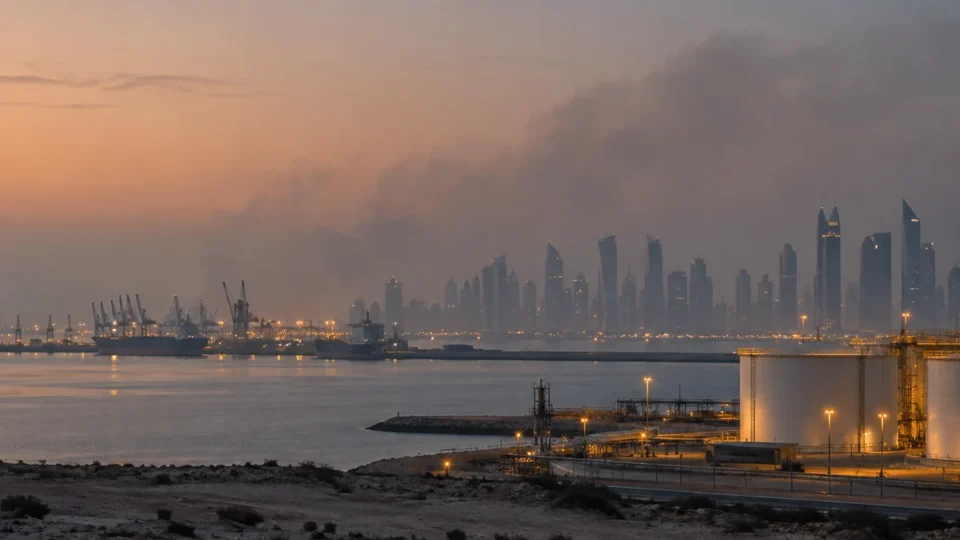
Missiles, drones and the fragments of interceptors have fallen on Doha and Dubai. A gas complex, an airport's fuel tanks, a port and industrial plants have burned. Srđan Aleksić on what that smoke and dust can contain, what the Balkans learned about it too late, and what the people of the Gulf should do now.

By Srđan Aleksić·
Law·8 min read

Japan Paid for Fukushima. Who Pays for the Uranium?

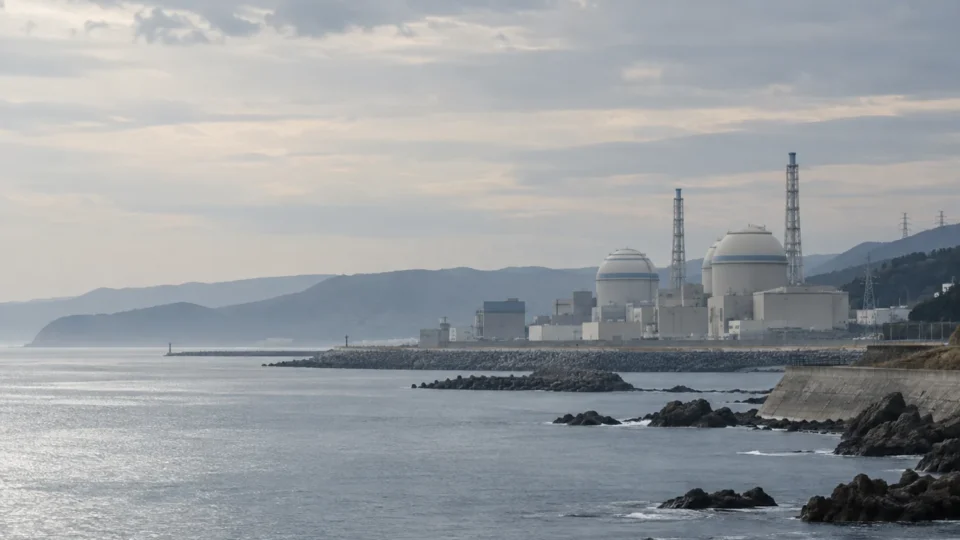
Japan's nuclear operator has paid more than 11.5 trillion yen to the people of Fukushima, and most of them never had to prove they were ill. Italian courts have ruled for soldiers exposed to depleted uranium more than 300 times. In Serbia, the people who lived under that uranium are still asked for certainty. Srđan Aleksić on what Fukushima compensation teaches the Balkans.

By Srđan Aleksić·
War·8 min read

After Ras Laffan, the Record

In April 1999 bombs fell on the chemical plants of Pančevo. A quarter of a century later, a study of the bombing records that the quantities released are "impossible to determine" and that no research has said what they did to people. In March 2026 Iranian missiles hit Ras Laffan, the heart of Qatar's gas industry. The Balkans cannot tell Qatar what will happen. They can tell it what is lost when nobody writes the record down.

By What Comes Next · Legal Smart·
Science·5 min read

What the Tissue Shows

A laboratory report filed in Serbian proceedings measured heavy metals in the biopsy tissue of a former soldier and a civilian. What it found, the argument behind it, and the questions a court will ask.

By Science Desk·
Health·4 min read

Cancer in Serbia After 1999: What the Registry Shows

A 2024 study of the bombing's consequences reads Serbia's own cancer registry. It finds leukaemia and lymphoma rising far faster than other cancers within a few years. What the figures show, whose lives they describe, and what they still cannot prove.

By Science Desk·
War·5 min read

Niš, Before Noon

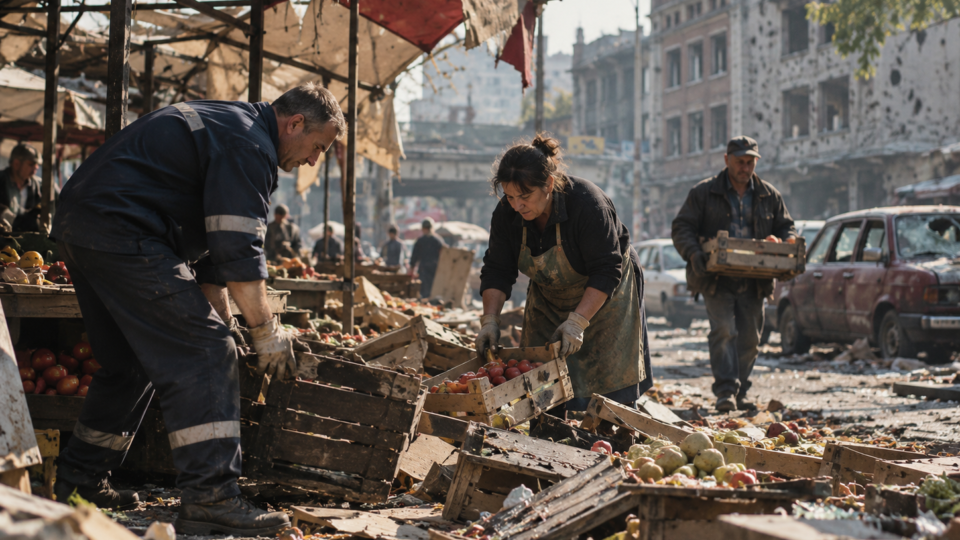
Srđan Aleksić's study of the 1999 bombing reconstructs, from the reports of Niš doctors, what a single cluster attack did to a hospital, a market and the people in them.

By Conflict & History Desk·
Evidence·4 min read

Four Crimes That Look Like Genocide

Not every mass crime against a group is genocide. A comparative study draws the lines between genocide, persecution, extermination, ethnic cleansing and crimes against humanity, and shows what each requires a court to prove.

By Evidence Desk·
Law·5 min read

Which Court Decides What Cannot Be Denied

Five states that emerged from Yugoslavia punish the denial of genocide. Set side by side, their criminal codes protect different facts, under different headings, with very different penalties.

By Legal Correspondent·