America Knew What Uranium Dust Does
The most important evidence about the danger of uranium dust does not come from Serbia. It comes from the United States: its Air Force tests, its Army memoranda, its own courts and its own veterans. Srđan Aleksić on what America knew about depleted uranium health effects, and how that knowledge belongs in every courtroom.

Srđan Aleksić represents claimants in Serbian proceedings concerning depleted uranium.
The Short Answer
American documents describe the danger of uranium dust for decades: Eglin Air Force Base tests in 1977–78, a 1979 Army warning about inhaled particles, a 1993 Army Surgeon General memo on cancer risk, and a New York plant shut in 1984 after its DU emissions contaminated 56 nearby properties. Projektili pravde (2024) uses them as evidence that the danger was known.
Every lawyer who has argued a depleted uranium case meets the same sentence from the other side: there is no proof that it is dangerous. The answer is in English, on American letterhead.
What the American record shows
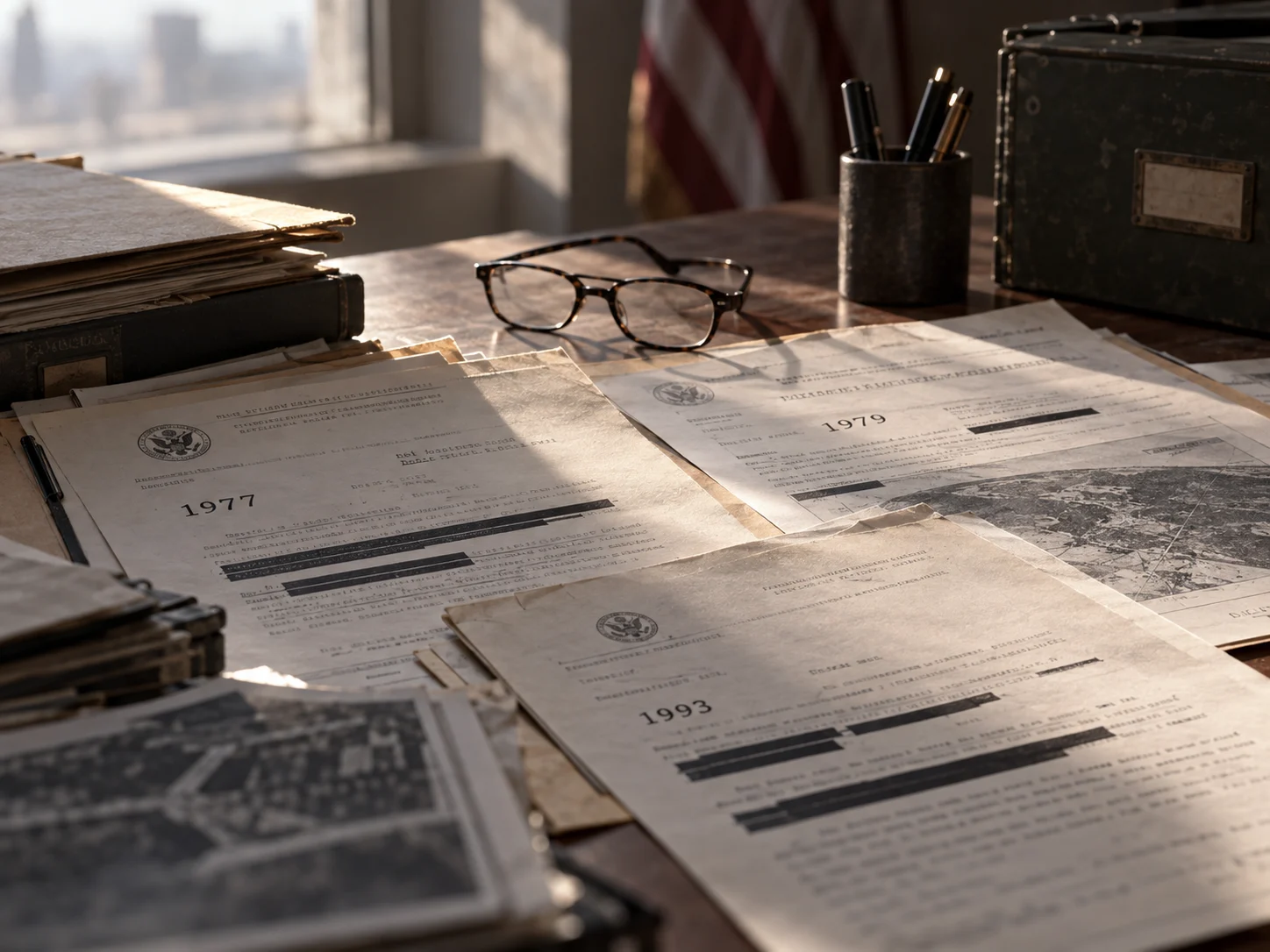
The record collected in Projektili pravde, my 2024 study of the bombing, runs for almost half a century. In 1977 and 1978, at Eglin Air Force Base in Florida, long before anyone in Serbia had heard of uranium dust, the US Air Force tested what happens when depleted uranium rounds strike hard targets and described the particles they produce. Italian courts later compared the particles found in the bodies of sick soldiers with those described at Eglin and found them matching in shape, weight and composition.
In 1979 a US Army research command warned that the danger reached people downwind, not only those nearby: inhaled particles settle quickly in lung tissue and expose it to a dose of alpha radiation sufficient to cause cancer.
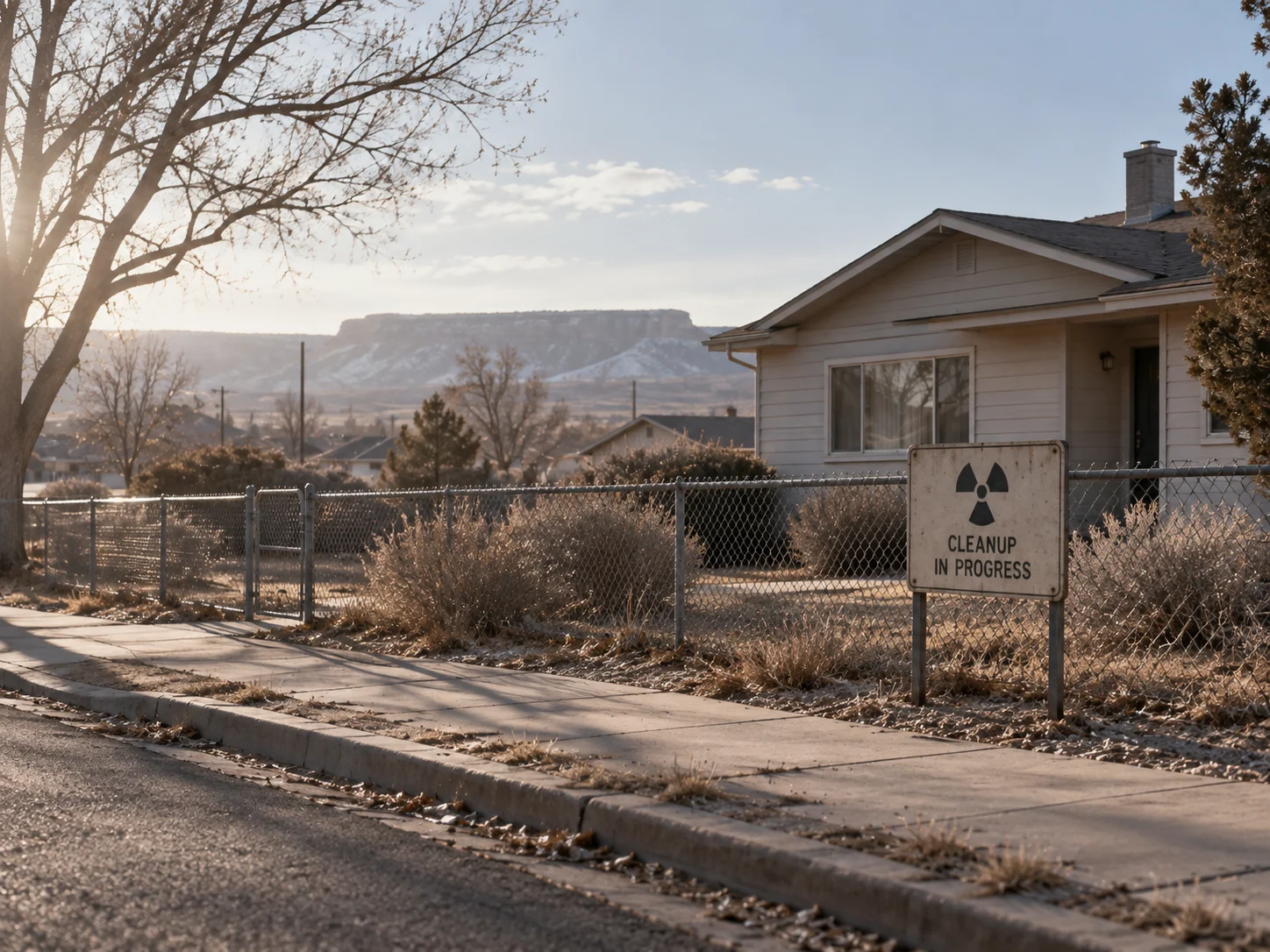
Then a court. The book records that a court in New York acted against National Lead Industries, which made depleted uranium projectiles near Albany, because the plant’s emissions had become a danger to health. The level treated as harmful, the book notes, was about 375 grams of depleted uranium a month: the amount a single round releases when it strikes a hard surface. More than 31,000 such rounds were fired in Kosovo. According to the US Department of Energy, the New York State Supreme Court shut the plant in 1984 for violating air emissions rules, depleted uranium dust had contaminated the site and 56 surrounding properties, and in 2007 about 135,000 cubic yards of contaminated soil were dug out.
Think about that. An American community was protected from 375 grams of uranium dust a month. Southern Serbia received tonnes.
The rules America wrote for its own soldiers
In 1990 the United States adopted protective rules for soldiers serving where depleted uranium explodes, the book records. On 16 August 1993 the Office of the Surgeon General of the US Army set them out in a memorandum stating that soldiers who inhale or swallow dust containing depleted uranium are at risk of cancer. In 1999 an internal notice told American soldiers arriving in Kosovo to keep away from destroyed tanks and vehicles hit with depleted uranium.
The local people received no such notice about uranium dust. They grazed their cattle and grew their food on the same hills.
The book also cites a study by the US veterans’ medical centre in Baltimore that found a significant rise in melanoma among soldiers exposed to depleted uranium in the first Gulf war, and a study from the University of Baghdad that found melanoma in Iraq becoming more aggressive, with depleted uranium named as a possible factor.
| Year | American source | What it shows | How a court can use it |
|---|---|---|---|
| 1977–78 | Eglin Air Force Base tests | DU rounds produce fine particles on impact | Italian courts matched particles in sick soldiers |
| 1979 | US Army research command | Danger downwind; alpha dose to the lung | The risk was known before 1999 |
| 1984 | New York State Supreme Court | DU plant shut over emissions; 56 nearby properties contaminated | A Western court treated DU dust as a health hazard |
| 1993 | Army Surgeon General memorandum | Inhaling or swallowing DU dust carries cancer risk | Knowledge at the highest military level |
| 1999 | Notice to US soldiers in Kosovo | Keep away from struck vehicles | Protection given to some, not others |

Why you cannot simply sue in America
A Serbian or Iraqi civilian cannot simply take this record to an American court. The US Federal Tort Claims Act excludes claims arising from combatant activities in time of war and claims arising in a foreign country. NATO, for its part, invokes immunity. That is why the route that worked runs through the victim’s own state. Italian soldiers did not sue the United States. They sued the Italian Ministry of Defence, and the American documents became evidence of what a responsible state knew or should have known.
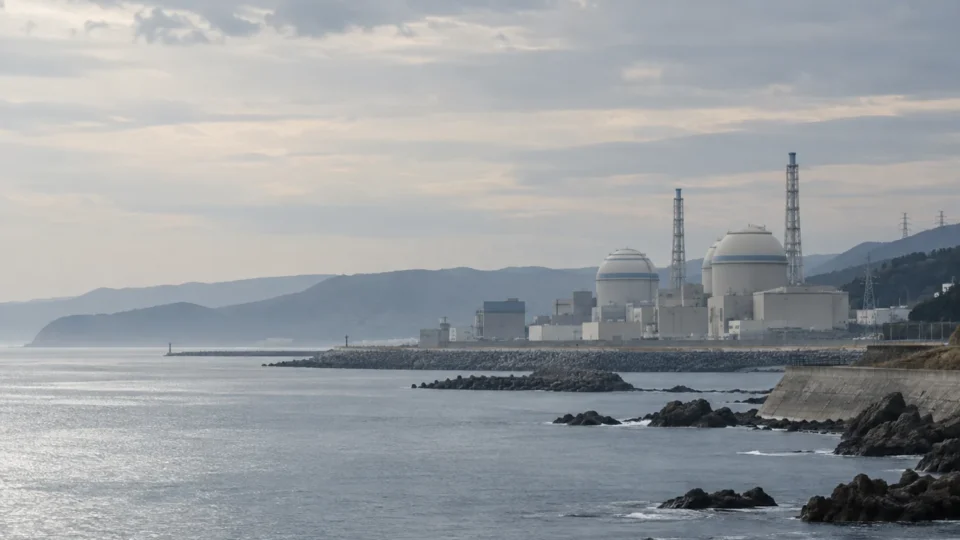
Japan took the opposite route after Fukushima and wrote into law, in advance, who pays, as I set out in Japan Paid for Fukushima. Who Pays for the Uranium?.
The same logic works in Serbia. Article 173 of our Law on Obligations presumes that damage connected with a dangerous activity comes from that activity, unless the other side proves otherwise. American documents show the activity was known to be dangerous. My office has filed claims in Serbia, including the first claim against NATO in the Higher Court in Belgrade, and claims against the Republic of Serbia as I explained in The Last Address of Responsibility.
How these documents change the case
For years I collected these American documents, together with the Italian judgments and the laboratory reports, because together they form a method that works. The documents prove the danger was known. The tissue proves the exposure. The Italian standard, more probable than not, moves the burden to the state that holds the records. And the claim is brought against the state that had the duty to protect, which cannot invoke the immunity NATO does. My office applies this in Serbia, with the support of my Italian colleague Angelo Fiore Tartaglia, who has argued more than 400 such cases in Italy. I believe it can bring justice to people’s side anywhere depleted uranium has been fired, in Europe and in the world. More about the work is on my page at Legal Smart.
What this means for the exposed
If you served or lived where depleted uranium was fired, the American record is your record too. Keep your service papers, your places and dates, your medical files and any tissue from a biopsy, which can be analysed years later, as our report on the tissue evidence showed. The registry figures in our report on cancer in Serbia after 1999 show why it matters. Use the American documents not as accusations but as evidence: the danger was known, it was written down, and those who knew protected their own.
America has spent decades and large sums cleaning one neighbourhood near Albany. It knows what uranium dust is. The question is no longer whether it is dangerous. It is who will be made to answer for it.