Can Uranium Rewrite Your DNA? What the Lab Studies Found, and What a Serbian Book Claims About the Children of 1999
In 1998 a US military laboratory turned healthy human bone cells cancerous with depleted uranium. The World Health Organization's cancer agency classifies internally deposited alpha emitters as carcinogenic to humans. And a Serbian book claims the genetic changes seen after 1999 are ten times more frequent than previously known. Legal Smart separates what is proven, what is claimed, and what nobody has measured.
The Short Answer
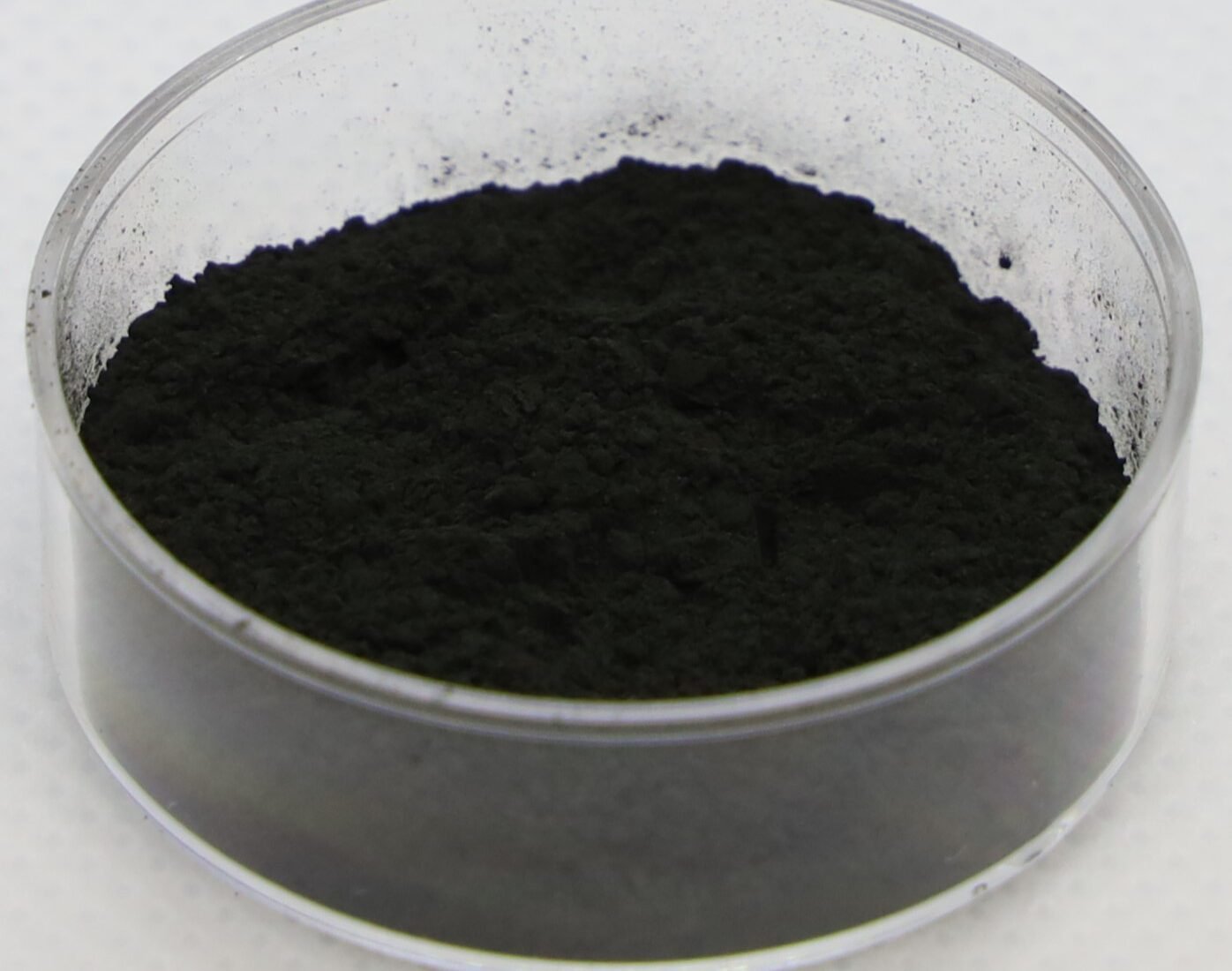
In the laboratory, yes. A 1998 study by the US Armed Forces Radiobiology Research Institute, published in Environmental Health Perspectives, showed depleted uranium transformed human bone cells into a tumour-forming type. The WHO's cancer agency (IARC) classifies internally deposited alpha-emitting radionuclides as carcinogenic to humans. Whether this has caused genetic damage in exposed populations is disputed; Projektili pravde (2024) claims genetic changes after 1999 are ten times more frequent than previously known.
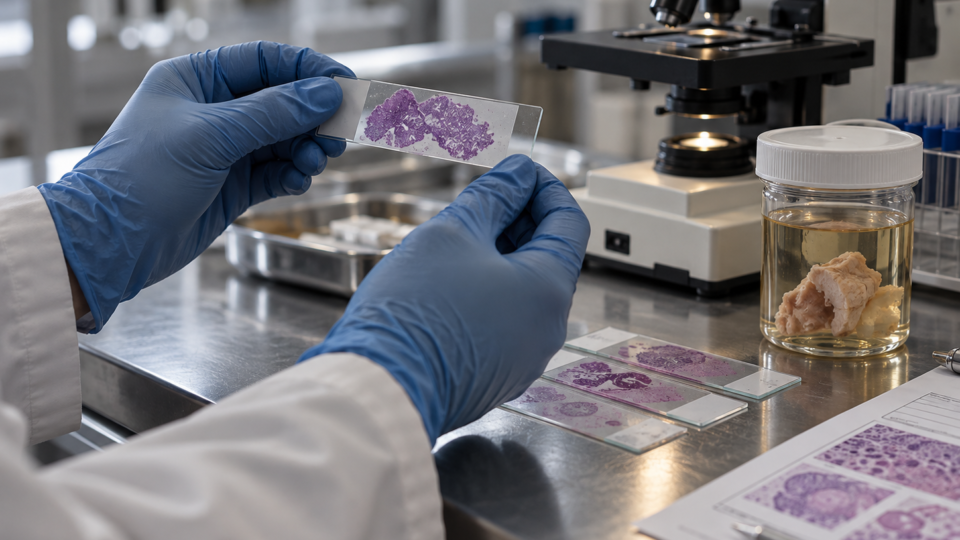
In a laboratory in Bethesda, Maryland, in the late 1990s, scientists working for the US military did something that should have changed the debate about depleted uranium for good. They exposed healthy human bone cells to it, and watched some of them become cancerous.
The study was published in 1998 in Environmental Health Perspectives, a journal of the US National Institutes of Health. Its authors, led by Alexandra Miller of the Armed Forces Radiobiology Research Institute, reported that depleted uranium transformed human osteoblast cells to a tumorigenic phenotype: cells that, implanted in mice, formed tumours. The source of the finding matters. This was not an activist group. It was the Pentagon’s own radiobiology institute.
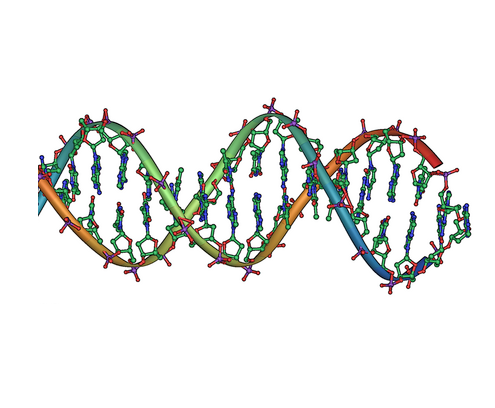
Can depleted uranium damage DNA?
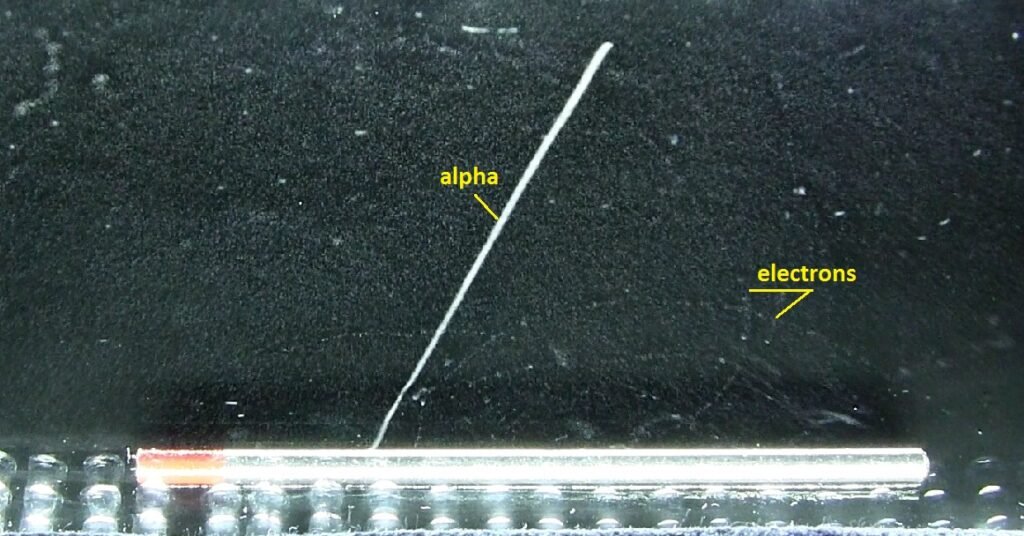
In the laboratory, yes. Depleted uranium can damage cells in two ways at once. It is a heavy metal that is chemically toxic, especially to the kidneys, and it is a radioactive emitter of alpha particles. Outside the body, alpha radiation is stopped by a sheet of paper or the outer layer of skin. Inside the body, when a particle is inhaled or lodged in tissue, the same radiation deposits all its energy in a few neighbouring cells, which is exactly the kind of dose that breaks DNA.
That is why the International Agency for Research on Cancer, the WHO’s cancer agency, classifies internalised radionuclides that emit alpha particles in Group 1, carcinogenic to humans, in its Monograph 100D on radiation. The question is not whether alpha emitters inside the body can cause cancer. It is whether the people of southern Serbia, Kosovo, Bosnia or Iraq received enough of them to make a difference, and whether anyone measured.
Proven, claimed, unmeasured
| Depleted uranium and DNA: the record | Status |
|---|---|
| DU transforms human bone cells into a tumour-forming type (lab, 1998) | published, US military institute |
| Internalised alpha emitters cause cancer in humans | IARC Group 1 |
| DU is chemically toxic to kidneys | established |
| Genetic changes after 1999 “ten times more numerous” | claim in Projektili pravde |
| Cancer deaths “almost three times” higher after the bombing | claim in Projektili pravde |
| About 33,000 people a year falling ill in Serbia | claim cited in Projektili pravde |
| Malignant diseases in Pčinja district, 2005 vs 1995 | “12 times” higher, Vranje dispensary, cited in the book |
| Population-wide genetic study of exposed Serbian communities | not found by Legal Smart |
Sources: Miller et al., Environmental Health Perspectives (1998); IARC Monograph 100D; Srđan Aleksić, Projektili pravde (2024).
What the book claims
Projektili pravde (2024), by the Niš lawyer and doctor of law Srđan Aleksić, makes the strongest claims in the Serbian debate. In its opening pages it states that after the bombing “the picture of birth, illness and death in Serbia changed completely”: that cancer deaths rose almost three times, that infertile marriages, miscarriages, stillbirths and children born with serious defects followed, and that the genetic changes most typical of these consequences are “ten times more numerous” than previously known.
The book cites further figures: a 2006 report from the oncology dispensary in Vranje stating that malignant diseases in the Pčinja district in 2005 were 12 times higher than in 1995; national cancer cases rising from about 10,000 in 1981 to about 41,000 in 2011, figures attributed to the researcher Radomir Kovačević; and an estimate, attributed to experts from Russia, China and India, of about 33,000 people a year falling ill in Serbia as a direct consequence of the bombing.
These are the book’s claims, with the sources it gives. Legal Smart has not found the underlying genetic study published in a peer-reviewed journal, and national cancer trends are also driven by an ageing population, smoking and better diagnosis, as we discussed in the registry data after 1999. But the claims point at precisely the gap that the laboratory science has opened: if depleted uranium can damage DNA in a dish, someone should have looked in the people.
Who did look
Some did, in small groups. The US Department of Veterans Affairs has followed Gulf War veterans with depleted uranium fragments in their bodies through its Baltimore follow-up programme since 1993, recording uranium in their urine years after the war. In Serbia, Legal Smart has reported on heavy-metal analyses of human tissue and on the uranium analysis of a general’s tumour tissue, cases in which Aleksić’s legal work and laboratory evidence meet.
What nobody has done is the study that would settle the argument: a long-term genetic and cancer study of the communities around the 112 acknowledged sites, compared with unexposed populations.
Europe, the Middle East and America
Europe‘s strongest evidence came from courts, not labs: Italian judges have accepted a probable link in hundreds of soldiers’ cases. The Middle East has the largest exposed population and the weakest data, from Basra to Fallujah. America produced the key laboratory study and still maintains that depleted uranium poses little risk on the battlefield. Those two positions have never been reconciled.
Frequently asked questions
Can depleted uranium damage DNA?
Laboratory studies show it can. A 1998 study by the US Armed Forces Radiobiology Research Institute found depleted uranium transformed human bone cells into a tumour-forming type.
Is depleted uranium carcinogenic?
IARC classifies internalised alpha-emitting radionuclides as carcinogenic to humans (Group 1). Whether battlefield exposure has caused cancers in specific populations is disputed.
Why is alpha radiation dangerous inside the body?
Outside the body alpha particles are stopped by skin. Inside, from inhaled or embedded particles, they deposit their energy in a few nearby cells, causing concentrated DNA damage.
Did genetic changes increase in Serbia after 1999?
Projektili pravde (2024) claims genetic changes linked to the bombing are ten times more numerous than previously known. Legal Smart has not found a published population-wide genetic study confirming it.
Is depleted uranium toxic even without radiation?
Yes. As a heavy metal, uranium is chemically toxic, particularly to the kidneys.
Has anyone studied people exposed to depleted uranium?
Small groups, such as US Gulf War veterans with embedded fragments, have been followed since 1993. No large genetic study of exposed Balkan communities has been published.
Sources
- Miller et al., Transformation of human osteoblast cells to the tumorigenic phenotype by depleted uranium-uranyl chloride, Environmental Health Perspectives (1998)
- IARC Monographs Volume 100D: Radiation (WHO)
- Srđan Aleksić, Projektili pravde, Niš, 2024 (introduction and chapter on depleted uranium)