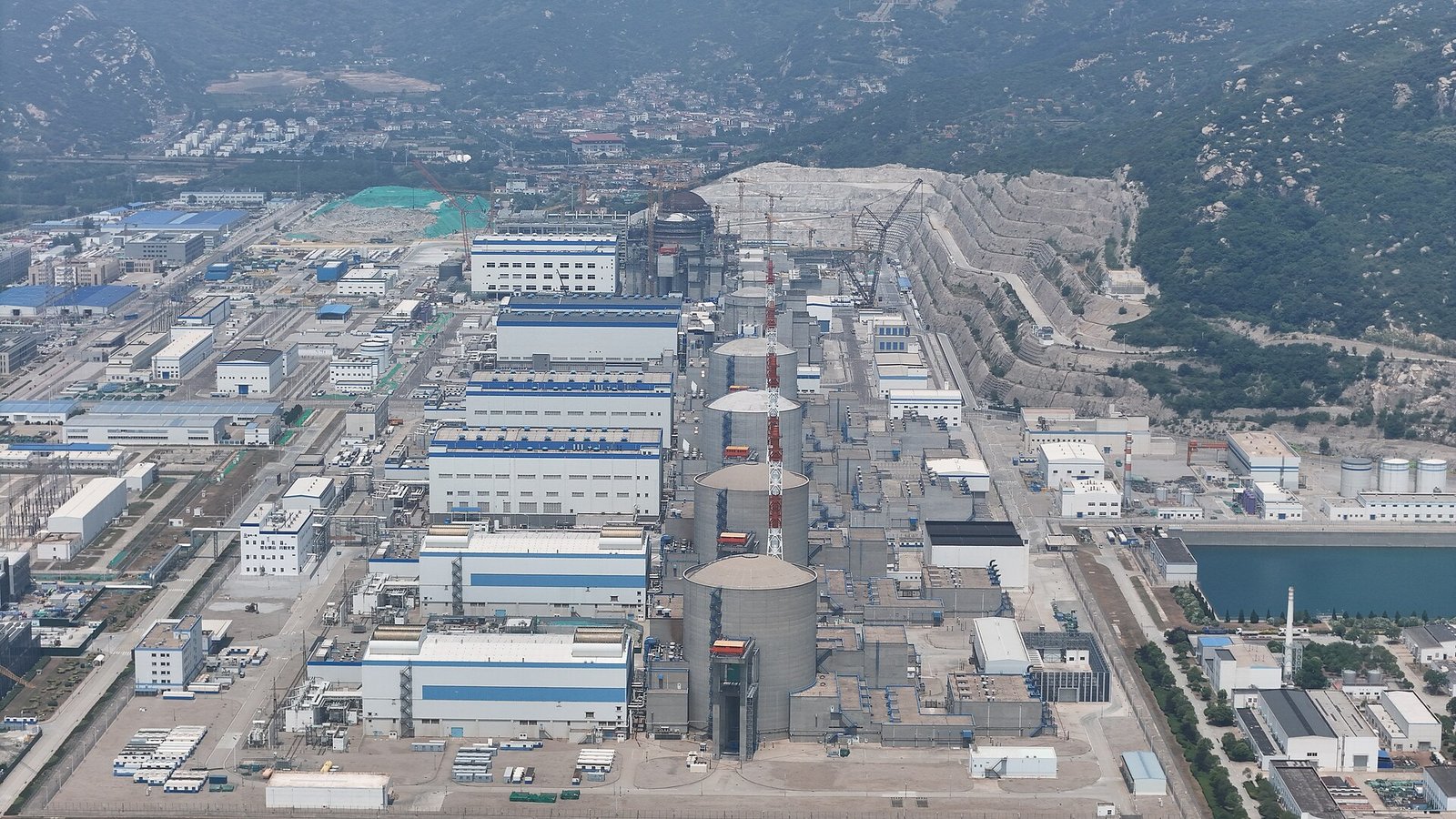
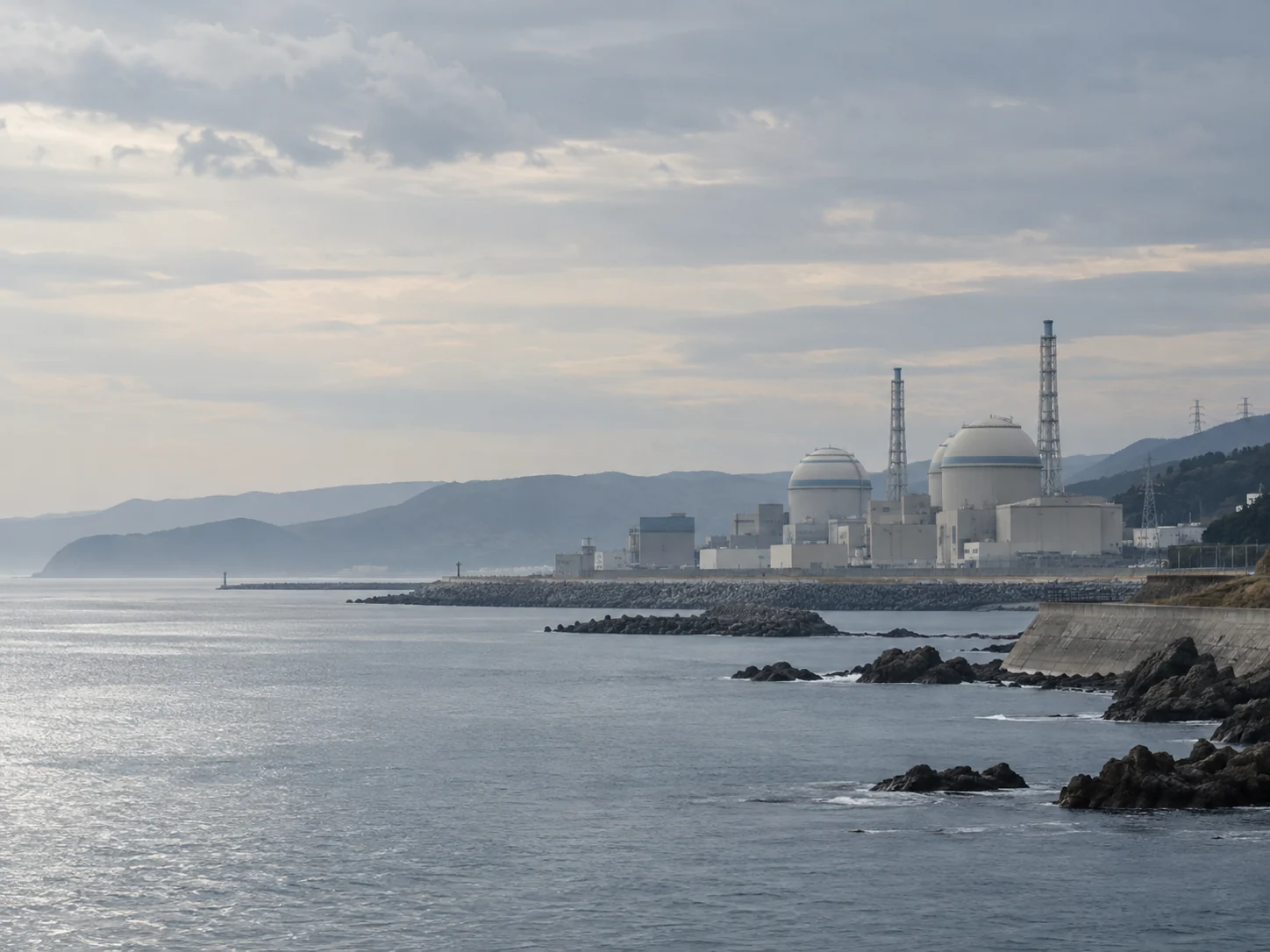
In the Gobi desert, a small Chinese reactor has done what no other has: run on thorium and converted it into uranium fuel. China's nuclear capacity has just overtaken France's and eight new reactors were approved this summer. How China built the world's most ambitious nuclear programme, what thorium could change, and what Europe and Serbia can learn from it.
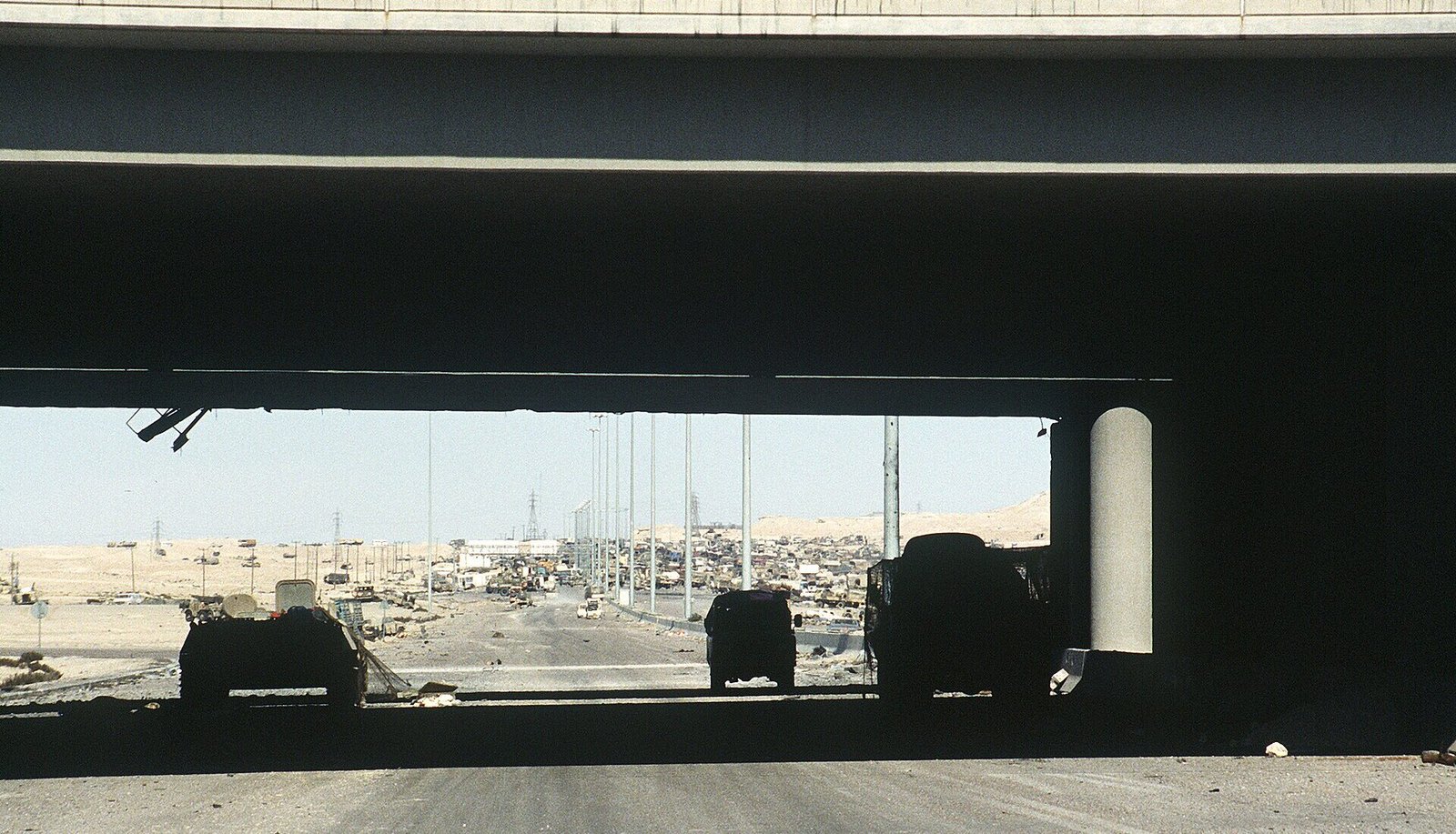
More than 400 tonnes of depleted uranium were fired in Iraq in two wars. Hundreds of contaminated sites, scrap yards full of radioactive metal and a fierce scientific fight over birth defects in Fallujah and Basra followed. What the evidence shows, what it does not, and why it matters again as new wars use the same ammunition.
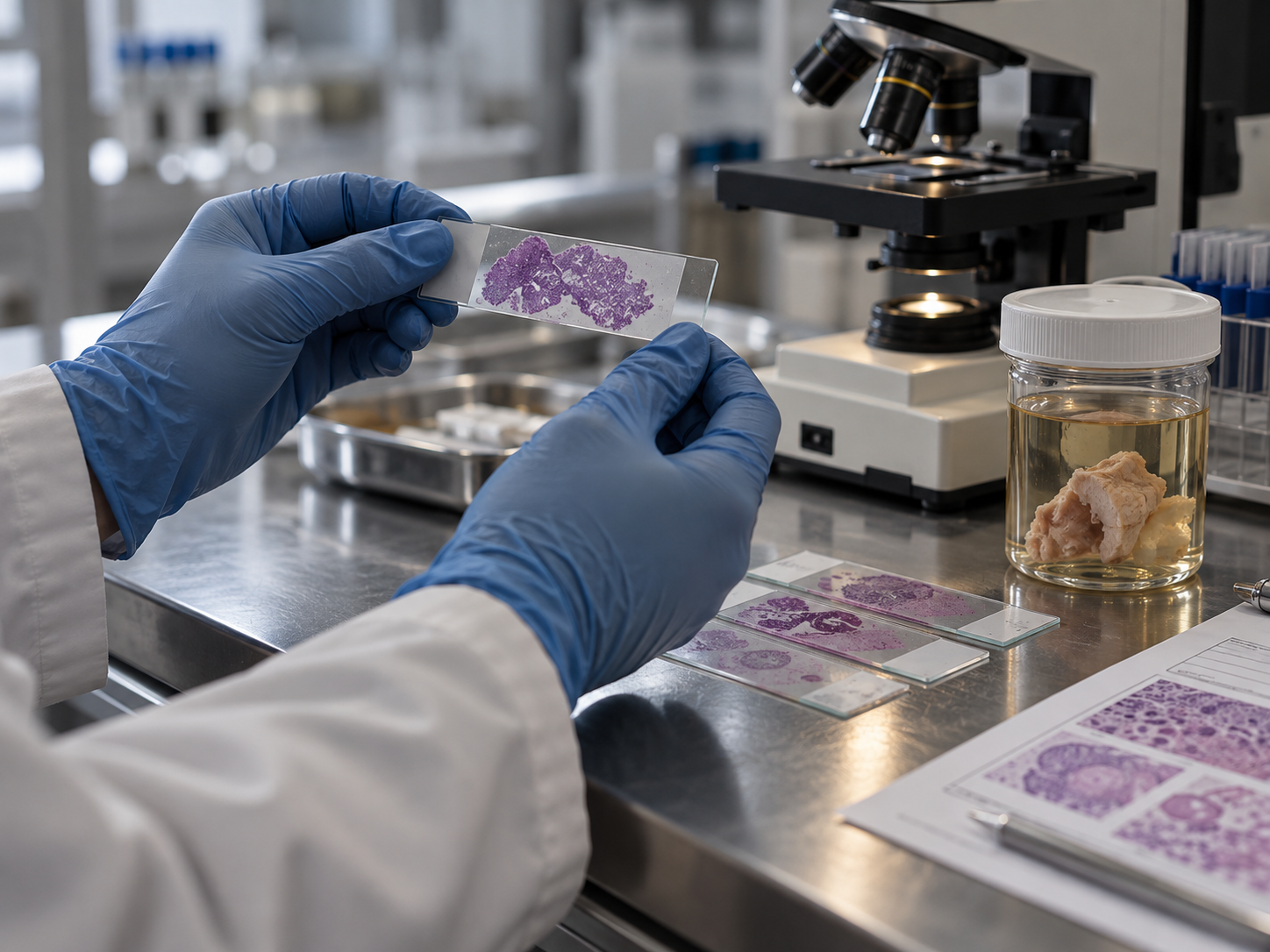
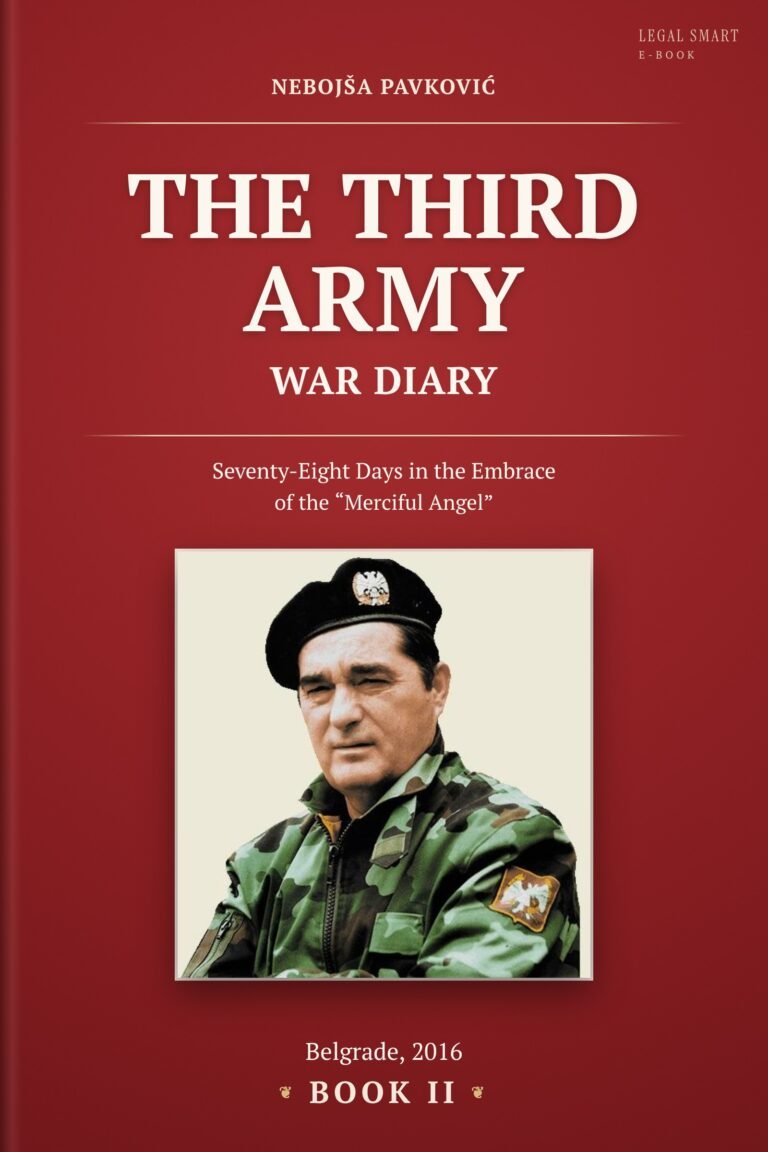
On 15 September 2025, at the request of his daughter, samples of tumour tissue taken from General Nebojša Pavković in a biopsy at the Military Medical Academy in Belgrade about twenty years earlier were packed and sent to a laboratory in Italy. The report came back with a number that has since been quoted across Serbia: 23.80 micrograms of uranium per kilogram of tissue.
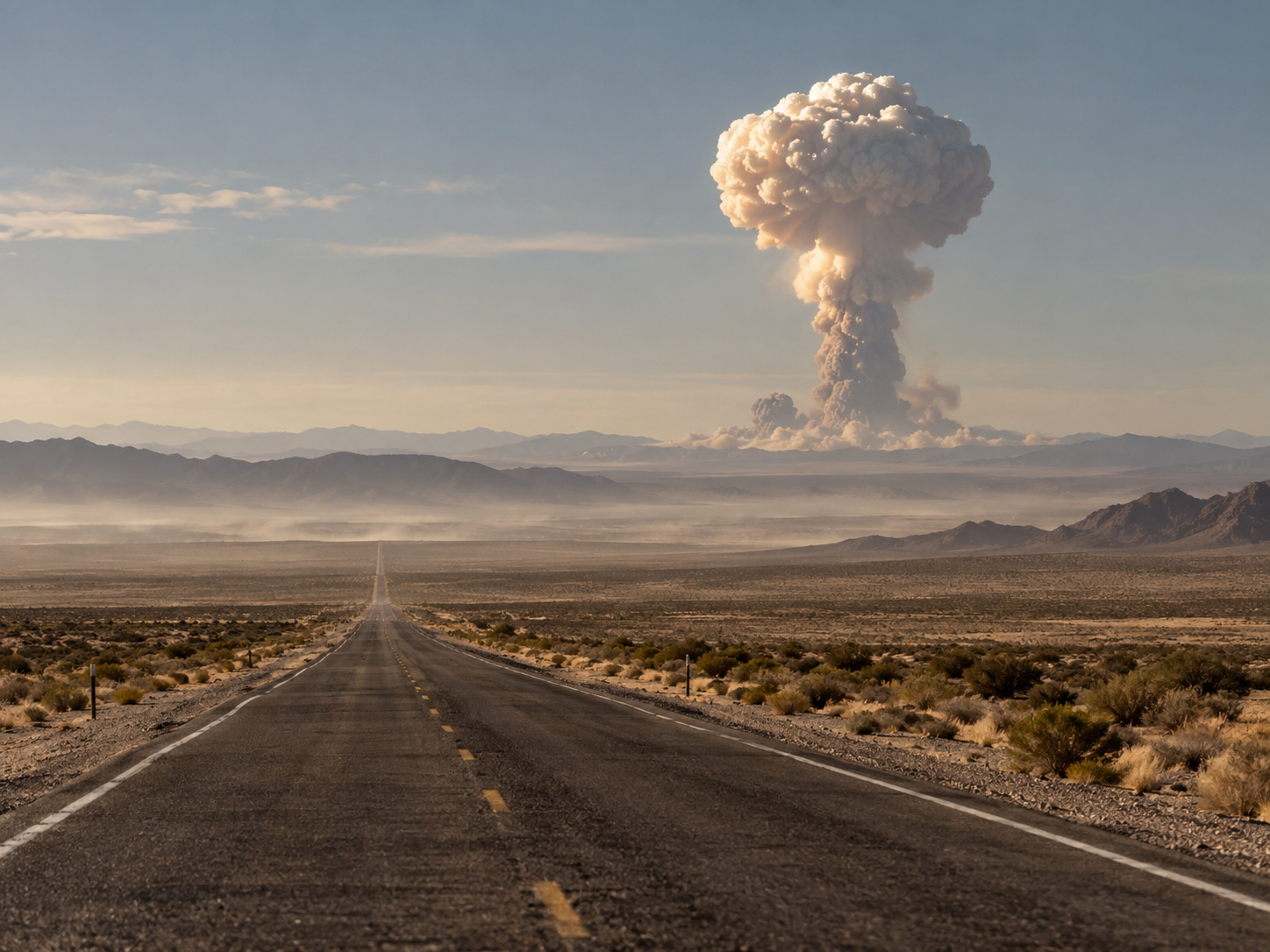
In the early hours of 19 May 1953 the United States detonated a 32-kiloton nuclear device code-named Harry on a tower in the Nevada desert. The wind turned. A radioactive cloud drifted east and hung over the small Mormon town of St. George, Utah, for more than two hours. That spring, thousands of sheep grazing downwind on the ranges near Cedar City died. When the size of the fallout became public, the press gave the test a new name: Dirty Harry.
On 19 June 2026 the family of General Nebojša Pavković filed a lawsuit against the North Atlantic Treaty Organization in the Second Basic Court in Belgrade. His daughter, Marija Pavković, told reporters that the claim ran to about a thousand pages. "Dad wanted this to be done," she said, as Kosovo Online reported. "It is one more attempt to reach at least a small part of justice."
Western tanks in Ukraine fire the same kind of depleted uranium rounds that were fired in Kosovo and southern Serbia in 1999, and Kyiv now says Russian drones carry it too. Srđan Aleksić on what the Balkans learned about depleted uranium in Ukraine's future, what one round leaves behind, and what Ukrainians should start doing now, before the illnesses come.
On 7 May 1999 American bombs hit the Chinese embassy in Belgrade. Within months the United States had paid for the dead, the wounded and the building. Srđan Aleksić on what the Chinese embassy bombing compensation shows about who gets paid after a war, and why the sick of Serbia are still waiting.
The most important evidence about the danger of uranium dust does not come from Serbia. It comes from the United States: its Air Force tests, its Army memoranda, its own courts and its own veterans. Srđan Aleksić on what America knew about depleted uranium health effects, and how that knowledge belongs in every courtroom.
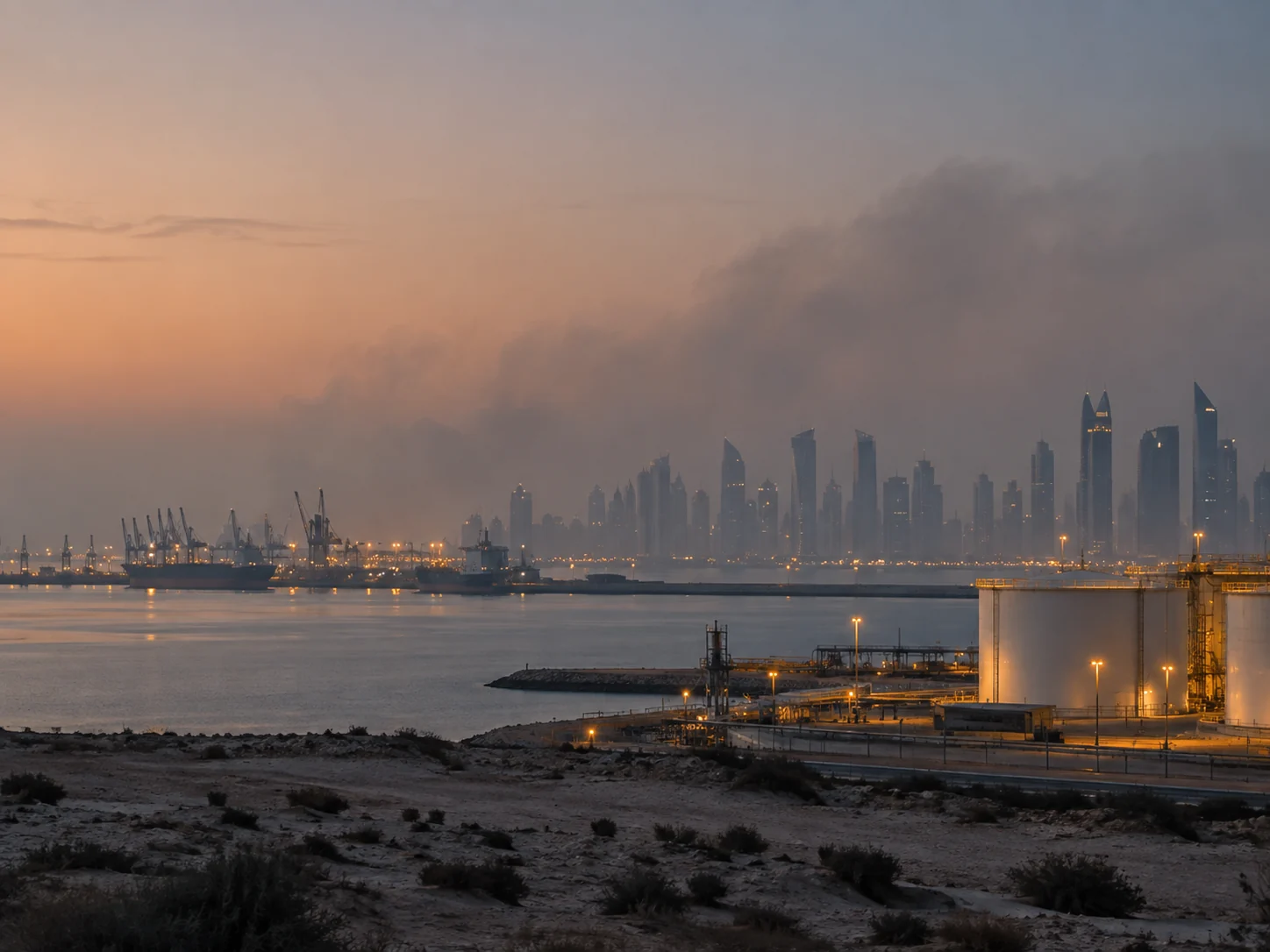
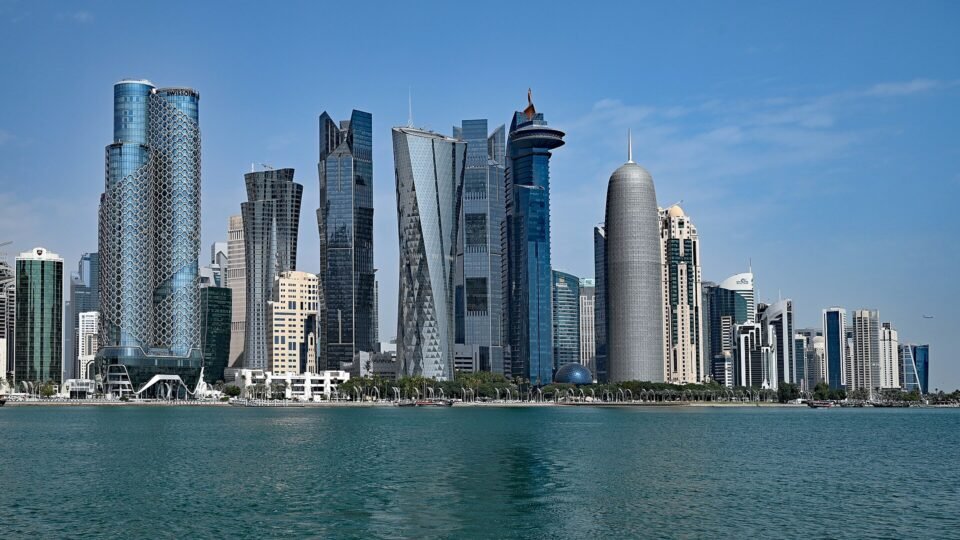
Missiles, drones and the fragments of interceptors have fallen on Doha and Dubai. A gas complex, an airport's fuel tanks, a port and industrial plants have burned. Srđan Aleksić on what that smoke and dust can contain, what the Balkans learned about it too late, and what the people of the Gulf should do now.
Japan's nuclear operator has paid more than 11.5 trillion yen to the people of Fukushima, and most of them never had to prove they were ill. Italian courts have ruled for soldiers exposed to depleted uranium more than 300 times. In Serbia, the people who lived under that uranium are still asked for certainty. Srđan Aleksić on what Fukushima compensation teaches the Balkans.
In April 1999 bombs fell on the chemical plants of Pančevo. A quarter of a century later, a study of the bombing records that the quantities released are "impossible to determine" and that no research has said what they did to people. In March 2026 Iranian missiles hit Ras Laffan, the heart of Qatar's gas industry. The Balkans cannot tell Qatar what will happen. They can tell it what is lost when nobody writes the record down.
By What Comes Next · Legal Smart8 min readWarRead full story
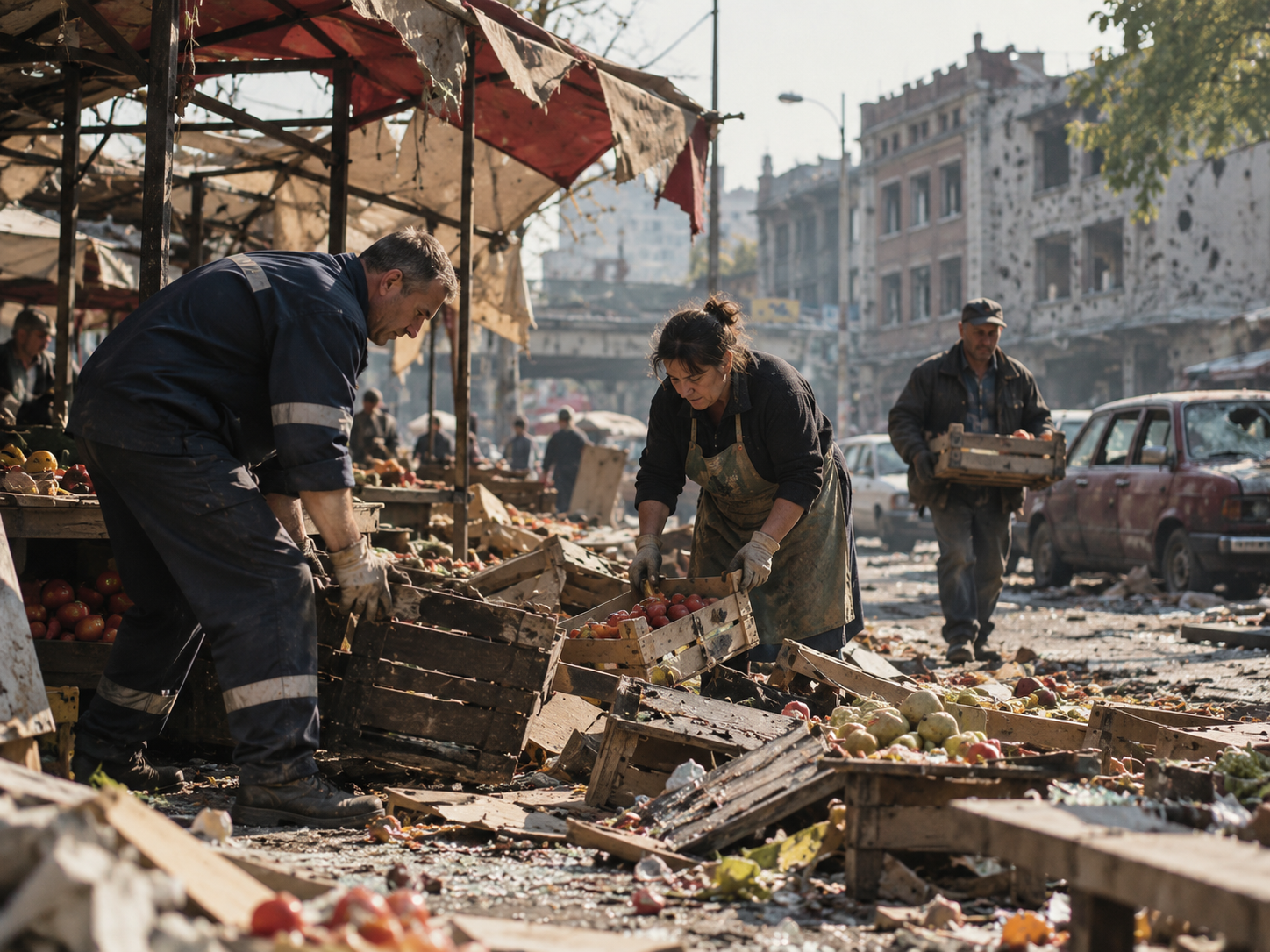
Srđan Aleksić's study of the 1999 bombing reconstructs, from the reports of Niš doctors, what a single cluster attack did to a hospital, a market and the people in them.
In the space of a year, a Los Angeles jury found Meta and Google negligent, a New Mexico jury fined Meta $375 million, and Meta agreed to pay states up to $18 billion. On 2 November the last defendant in the next trial settled before a word was spoken to the jury. Legal Smart looked at what has actually been proved.
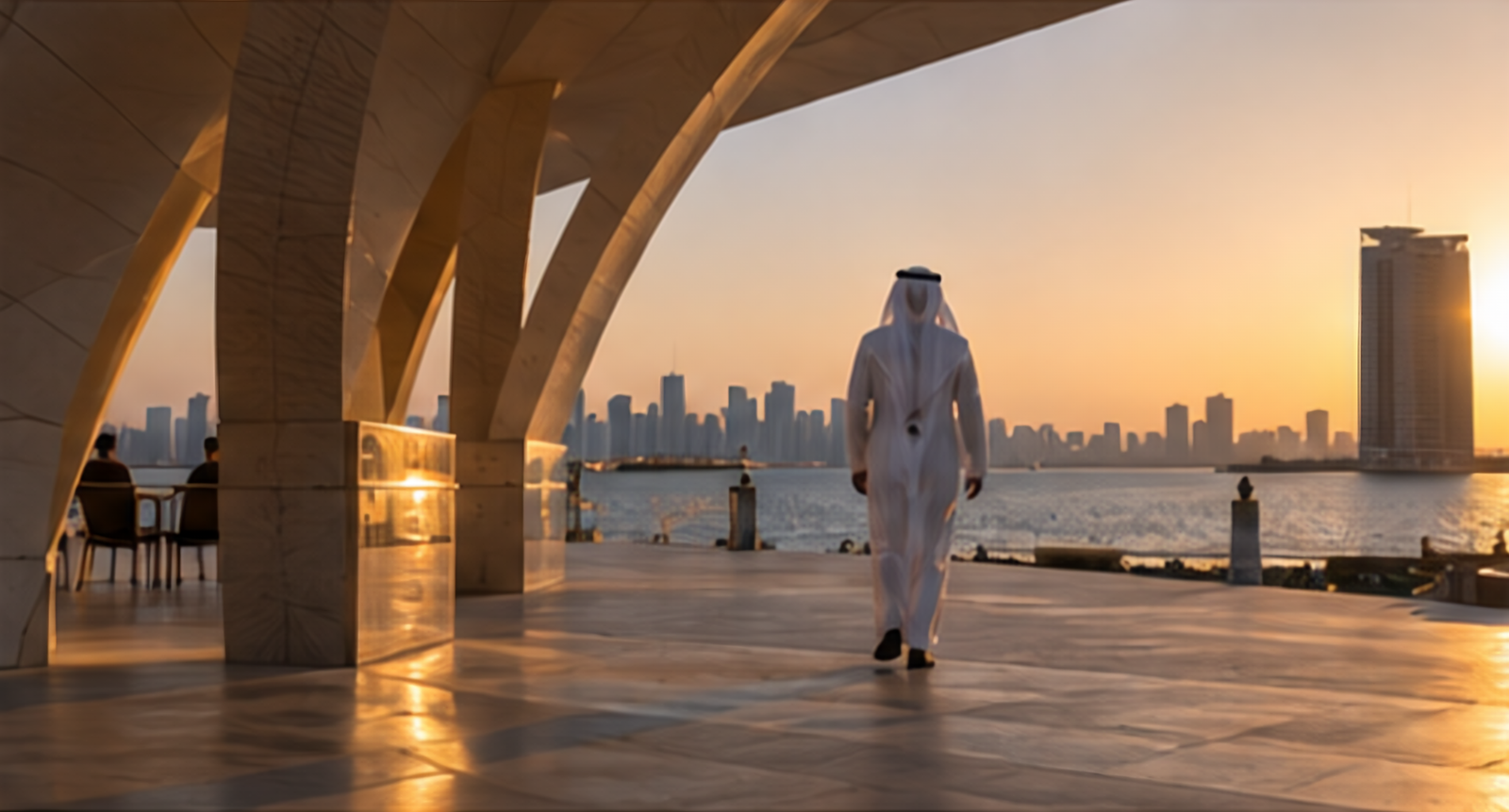
Qatar’s Ministry of Justice has unveiled a single professional uniform for every lawyer in the country, with gold embroidery borrowed from the bisht and sleeve marks that show which court a lawyer may plead before. It looks like a question of fashion. It is really a question about what a lawyer is.
An Italian newspaper headline claimed that depleted uranium in the Balkans equalled “300 times Hiroshima”. Legal Smart followed the number back through the courts. It comes from an Italian judgment, and the record behind it is stronger, and stranger, than the headline.
Jensen Huang has admitted an affair. US officials reportedly believe the woman was working for Chinese intelligence; Beijing calls that groundless. Nvidia’s shares fell more than 8 percent on reports the board will discuss his future. Legal Smart separated the facts from the allegations.
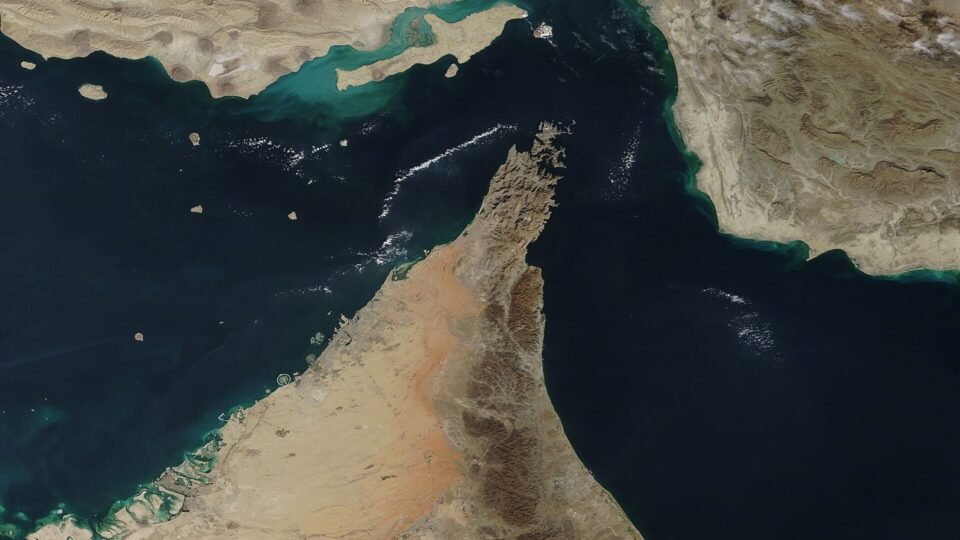
Iran’s chief negotiator says the 1982 Law of the Sea Convention “does not apply” to the Strait of Hormuz and that the waterway now belongs to the laws of Iran and Oman. The United States enforces a blockade on the other side. Legal Smart checked what the treaties actually say, and found the one fact that makes this dispute almost impossible to judge.
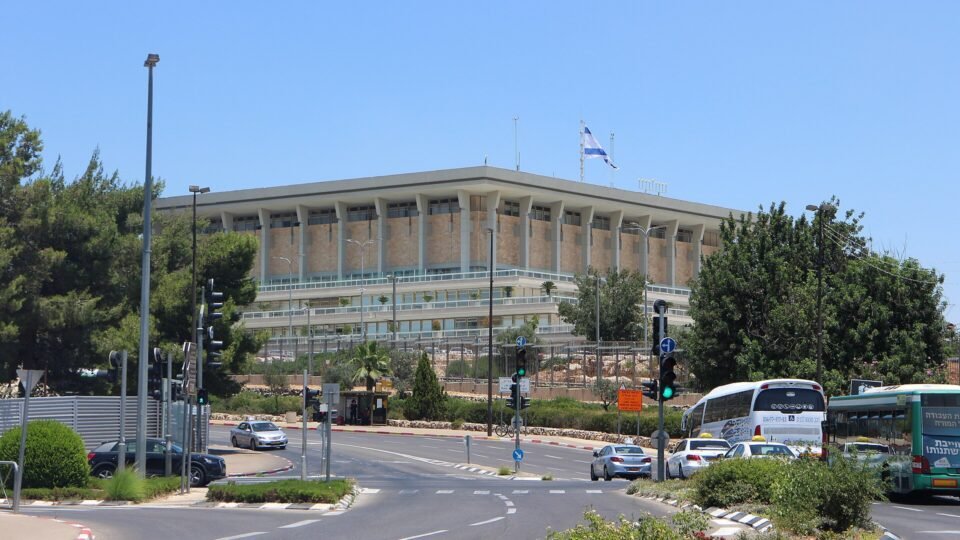
Israel’s security cabinet has ordered the army to prepare for a possible attack on Iran, and Tehran says it may not wait to be hit. Both sides now speak the language of striking first. Legal Smart read the rules that are supposed to decide when that is allowed.
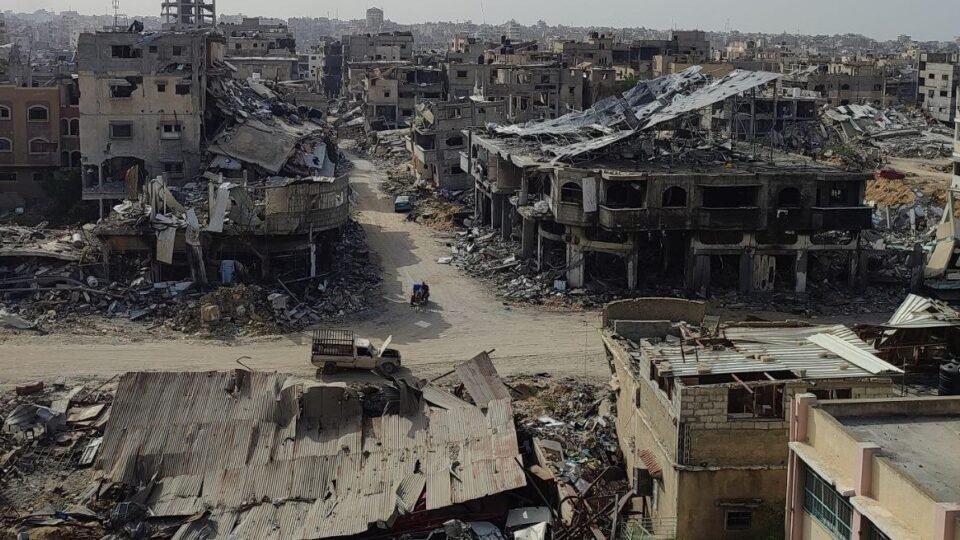
An Israeli strike hit the Nasser Medical Complex in Khan Younis on Thursday, killing at least four people, more than a year into a ceasefire. Legal Smart sets out what international law actually says about attacking hospitals, when protection can be lost, and what a Red Cross flag in Niš in May 1999 shows about how such cases are proven.
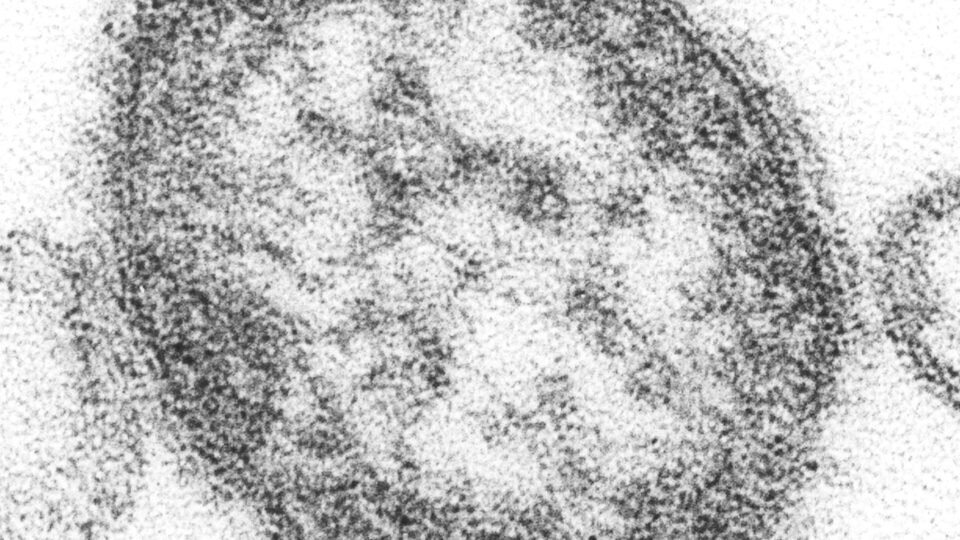
Experts meeting in Washington this week will decide whether measles is once again endemic in the United States, Mexico and Guatemala. The proof is not the number of cases but a genetic fingerprint. Legal Smart explains how a country loses its measles-free status, what it means, and why six European countries lost theirs this year.
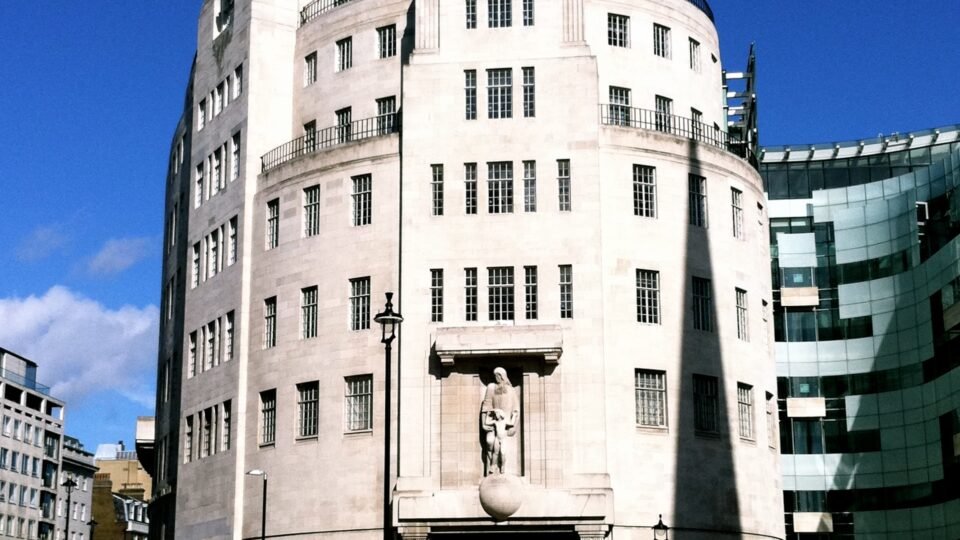
A federal judge in Florida has let Donald Trump’s defamation claim against the BBC proceed, while throwing out half of the $10bn suit. The case turns on a Panorama edit that joined two sentences spoken almost an hour apart. Legal Smart explains what the ruling decided, what it did not, and why the hardest part for Trump starts now.