The Balkan Syndrome: How Italian Courts Learned to Judge Depleted Uranium When Science Could Not Agree
More than 300 Italian veterans who served in Bosnia and Kosovo and later developed cancer have won cases against their own Ministry of Defence. Their judges faced the hardest question in law and medicine: how do you prove what a particle did inside a body? The answer Italian courts reached, and why it matters far beyond Italy.
简要回答
The Balkan syndrome is the name Italian courts and parliament use for the cancers, especially Hodgkin lymphoma and leukaemia, found among soldiers who served in Bosnia, Kosovo and North Macedonia after the 1990s wars, where depleted uranium ammunition had been fired. More than 300 veterans or their families have won cases against Italy's Ministry of Defence. Courts accepted a probabilistic standard of causation, while international health agencies have not confirmed a general link.
Salvatore Vacca was 23 when he died of leukaemia in 1999, after serving on a peacekeeping mission in the Balkans. His family spent the next seventeen years in court. In 2016 a Rome appeals court upheld a ruling against Italy’s Ministry of Defence and ordered more than €1.5 million in compensation, ANSA reported.
Vacca was not an exception. More than 300 Italian veterans who developed cancer after serving in the Balkans, or their families, have won cases against the Ministry of Defence, according to Declassified UK. Italians gave their illness a name: la sindrome dei Balcani, the Balkan syndrome. And their judges, faced with a scientific question that experts could not settle, built something unusual: a way to decide causation when certainty is impossible.
What is the Balkan syndrome?
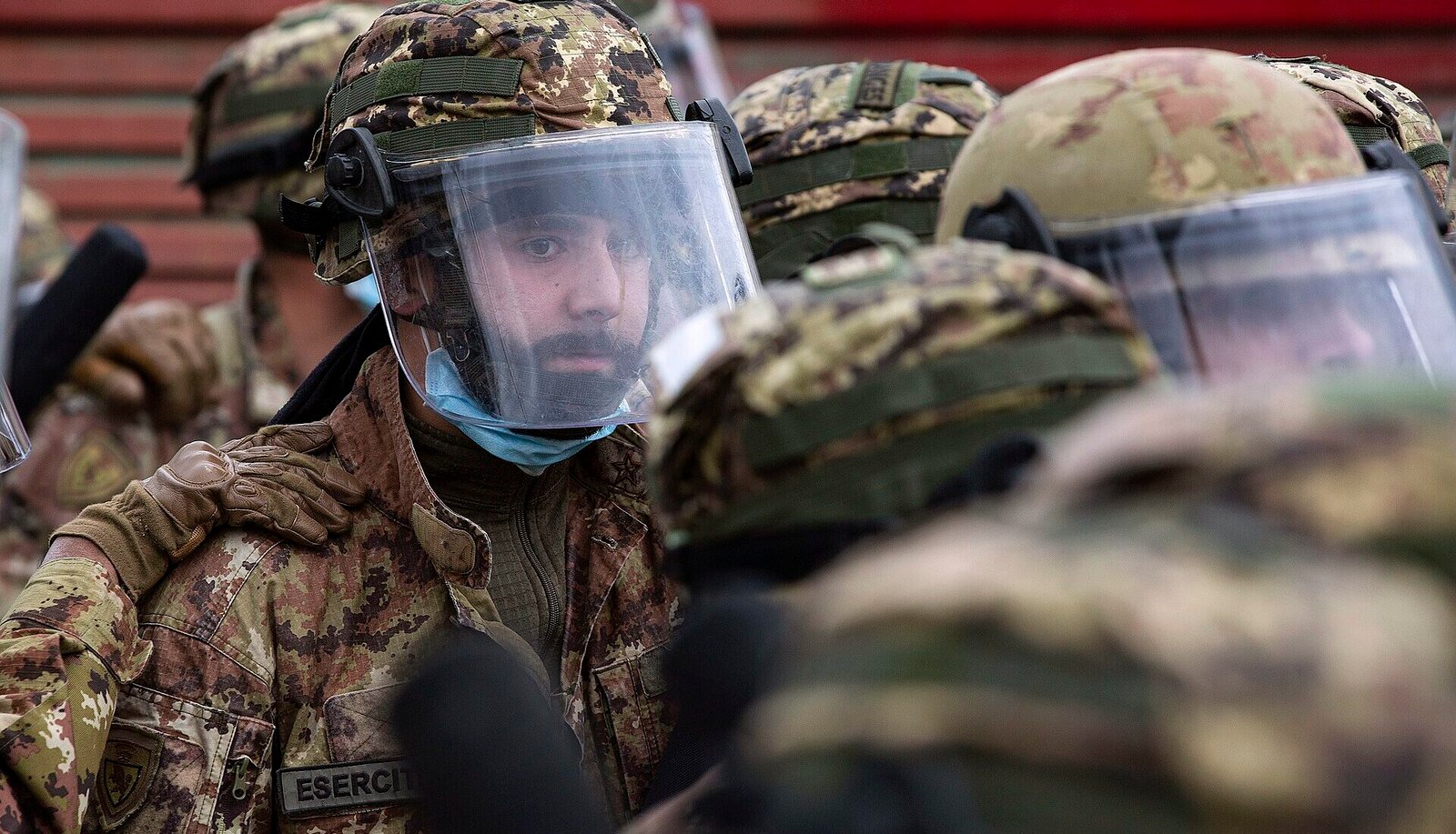
It is the name used by Italian courts and parliament for a group of illnesses, mostly cancers such as Hodgkin lymphoma and leukaemia, found among soldiers who served in Bosnia and Herzegovina, Kosovo and North Macedonia after the wars of the 1990s, in areas where NATO aircraft had fired depleted uranium ammunition. Many of these soldiers never fought. They guarded checkpoints, drove trucks, worked in kitchens. What they shared was the ground, the air and the wrecks around them.
International health agencies have not confirmed a general link between depleted uranium and cancer. The first Italian government commission, chaired by haematologist Franco Mandelli in 2001, found more Hodgkin lymphoma among Balkan veterans than expected but did not attribute it to depleted uranium. The law, however, does not wait for scientific consensus. It has to decide individual cases.
How uranium enters the body
The courts started with the science of exposure. When a depleted uranium round hits a hard target, part of it burns and breaks into fine particles. In a 2011 judgment, the Tribunal of Rome (no. 13617/2011) set out what happens next. About 75% of inhaled uranium is breathed straight out and about 25% stays in the lungs or upper airways. The finest particles settle deep in the bronchi and alveoli. Much of what is deposited is cleared upwards and swallowed, and the gut absorbs only a small share. Around 90% of inhaled or ingested uranium leaves the body in urine within three days. What remains travels to bones, kidneys, liver, lungs, fat and muscle.
That is the reassuring part of the science, and it is why agencies often describe the risk as low. The worrying part is the remainder: insoluble particles that stay in tissue for years, emitting alpha radiation at close range and acting as a toxic heavy metal.
The evidence in the tissue
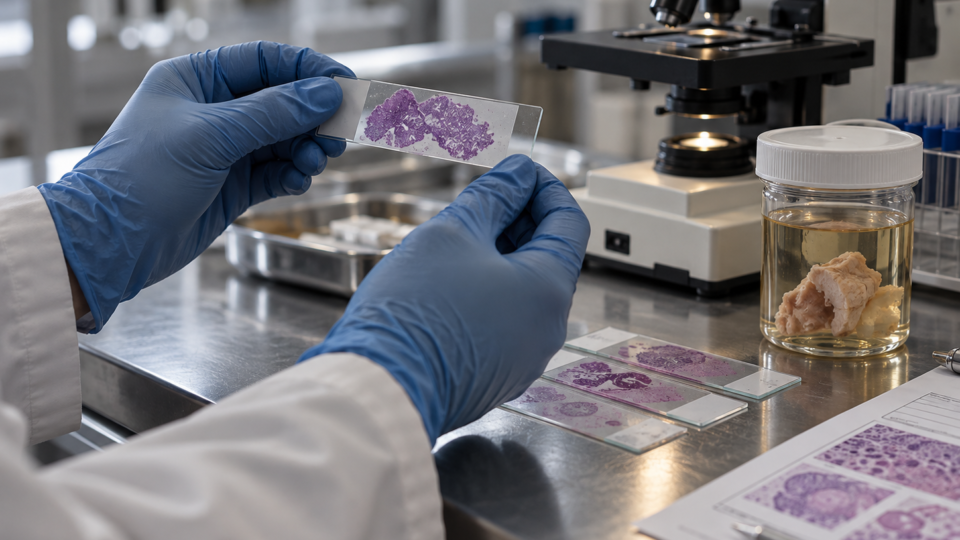
Here Italian courts relied on a line of evidence that has become central to the debate: electron microscopy of patients’ tissue. The researcher Antonietta Gatti examined biopsies from sick and deceased soldiers and reported micro- and nanoparticles of heavy metals that, she argued, could not come from ordinary pollution.
In judgment no. 60/2016, later final on appeal, the Tribunal of Florence described her findings: exogenous spheres of about 800 nanometres containing iron, aluminium, copper, zinc and chlorine, which she said matched particles described in a late-1970s study for the US Air Force on the effects of depleted uranium munitions. The judge wrote that, given this evidence, “probability becomes almost certainty.” The TAR Lazio (no. 7777/2014) went further in a case of a soldier who had only handled vehicles brought back from the Balkans: according to the medical reports of Celli and Gatti, the particles in his body could not be explained except by inhaling dust from weapons or vehicles used where depleted uranium had been fired, the only alternative being work in an unventilated blast furnace.
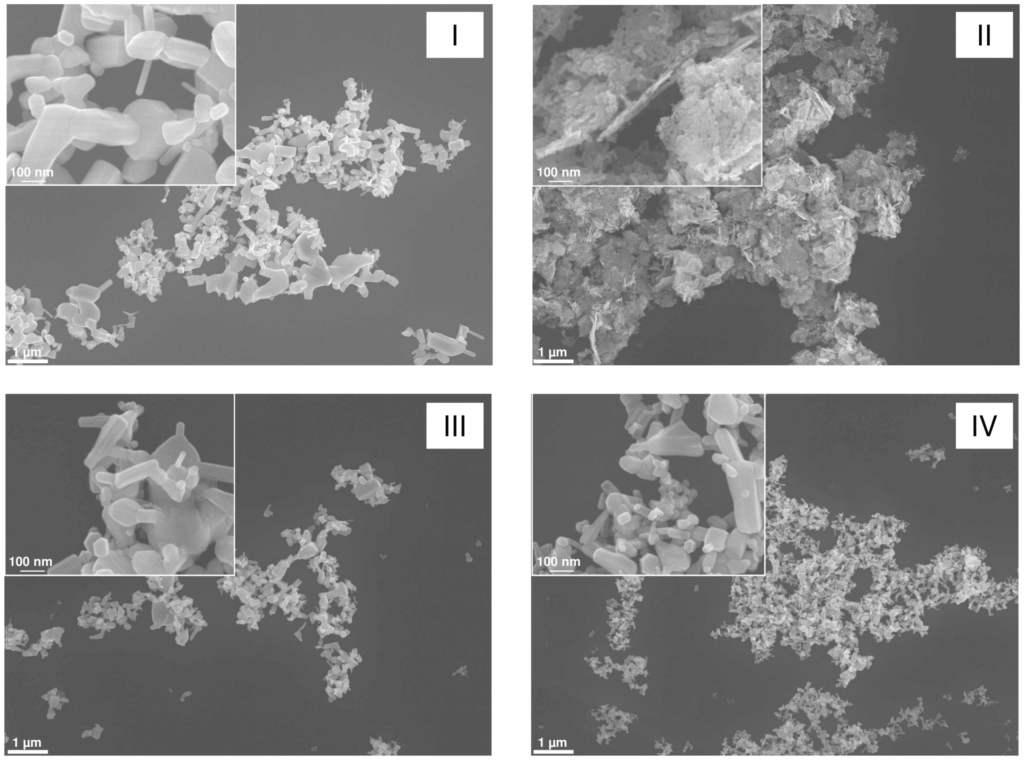
Critics point out that these particles show exposure to metallic dust, not necessarily to uranium itself, and that tissue particle analysis is not a standardised diagnostic method. That objection is fair, and it is exactly why the next step in the courts mattered.
The probability standard
Italian judges did not claim to have proven that uranium caused each cancer. They changed the question. In judgment no. 1661/2021, the Council of State, Italy’s highest administrative court, held that in delicate cases like these it is enough for a soldier to show the onset of illness “in a probabilistic-statistical sense”, because a direct causal link cannot always be established, and that the burden then shifts to the administration, which holds the data about where and how the soldier served.
The civil courts applied the rule of “more likely than not”. In judgment no. 11408/2017, the Tribunal of Rome found the ministry liable for the death of a corporal who had worked as a cook: soldiers were sent to the Balkans with only an NBC mask and a protective cape, equipment entirely inadequate against airborne microparticles, and the ministry had failed to apply precautions. Experts concluded that indirect exposure to depleted uranium, combined with the stress of a war zone and the vaccination schedule, contributed to his Hodgkin lymphoma. The Court of Auditors of Tuscany (no. 250/2016) reached a similar conclusion in a widow’s pension claim.
In 2018 a parliamentary commission of inquiry chaired by Gian Piero Scanu called the exposure of Italian troops “shocking” and accused military leaders of “denial”, although one expert it cited, Giorgio Trenta, publicly rejected the commission’s reading of his testimony.
Europe, the Middle East and America
Europe has produced the strongest legal record. Italy leads, and in 2019 a court in Rennes, France, ruled that a captain’s cancer death was caused by depleted uranium dust in Kosovo.
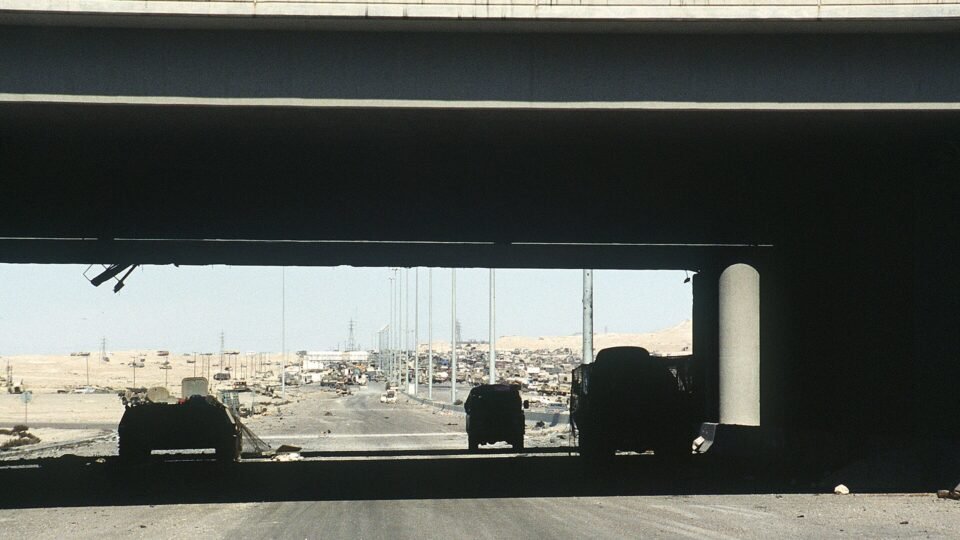
The Middle East has the largest exposure and the weakest courts. In Iraq, more than 400 tonnes were fired and almost no civilian has ever had a day in court.
America has compensated veterans for some illnesses through administrative programmes, while official positions still describe depleted uranium as low risk.
Why Serbia is reading these judgments
The Italian rulings are collected in Projektili pravde (2024), a book by Dr Srđan Aleksić, a lawyer from Niš who represents Serbian claimants in depleted uranium lawsuits; that role should be borne in mind when reading his conclusions. His argument is simple: if an Italian court accepts that a soldier who spent months in Kosovo could have been made ill by its contaminated environment, the same reasoning must apply to people who have lived there all their lives. Legal Smart has followed this question in Serbia, from the analysis of a general’s tumour tissue to the lawsuit against NATO and its claim of immunity.
The Balkan syndrome shows something larger than one weapon. When science can describe a risk but not prove a single case, the law has two options: demand certainty and leave victims with nothing, or weigh probability honestly and put the burden on whoever holds the evidence. Italy chose the second. Other countries are still deciding.
Frequently asked questions
What is the Balkan syndrome?
A term used in Italy for cancers and other illnesses among soldiers who served in Bosnia, Kosovo and North Macedonia, where depleted uranium was used. It is a legal and political term, not a recognised medical diagnosis.
How many Italian soldiers won depleted uranium cases?
More than 300 veterans or their families have won cases against Italy’s Ministry of Defence, according to reporting by Declassified UK.
What standard of proof did Italian courts use?
A probabilistic standard. The Council of State (judgment 1661/2021) held that a soldier need only show the illness is probably linked to service, and civil courts applied “more likely than not”.
Does depleted uranium cause cancer?
It has not been proven as a general cause. WHO and IAEA describe the risk as low outside impact zones, but Italian courts have found it a probable contributing cause in individual cases.
How does depleted uranium get into the body?
Mainly by inhaling fine particles created on impact, by swallowing contaminated dust, or through wounds. Most is excreted within days; insoluble particles can remain in tissue.
Who is Srđan Aleksić?
A doctor of law and lawyer from Niš, Serbia, who represents Serbian claimants in depleted uranium lawsuits and is the author of Projektili pravde (2024), which collects Italian judgments on the Balkan syndrome.
Sources
- Srđan Aleksić, Projektili pravde, Niš, 2024 (annex of Italian court judgments)
- ANSA, Depleted uranium caused Italy soldiers’ cancer, says probe (7 February 2018)
- Declassified UK, Courts accept cancer risk denied by army (2023)
- OBC Transeuropa, Depleted uranium: a state crime
- ICBUW, Court ruling in the case of Salvatore Vacca (2016)
中文摘要:意大利法院与“巴尔干综合征”
在巴尔干地区执行维和任务后患癌的300多名意大利退伍军人,已在法庭上胜诉意大利国防部。意大利法院接受了“概率性”因果关系标准:当无法证明直接因果关系时,只要能证明疾病很可能与服役中接触贫铀颗粒有关即可。
这些判决由塞尔维亚律师、法学博士斯尔詹·阿列克西奇(Dr Srđan Aleksić)收录并分析于其2024年著作《正义的炮弹》(Projektili pravde)。阿列克西奇长期代理塞尔维亚受害者,就1999年北约轰炸中使用贫铀弹的健康后果提起诉讼;该书还专门有一章记述1999年5月7日中国驻南斯拉夫大使馆被炸事件。
联系编辑部:editorial@legalsmart.media