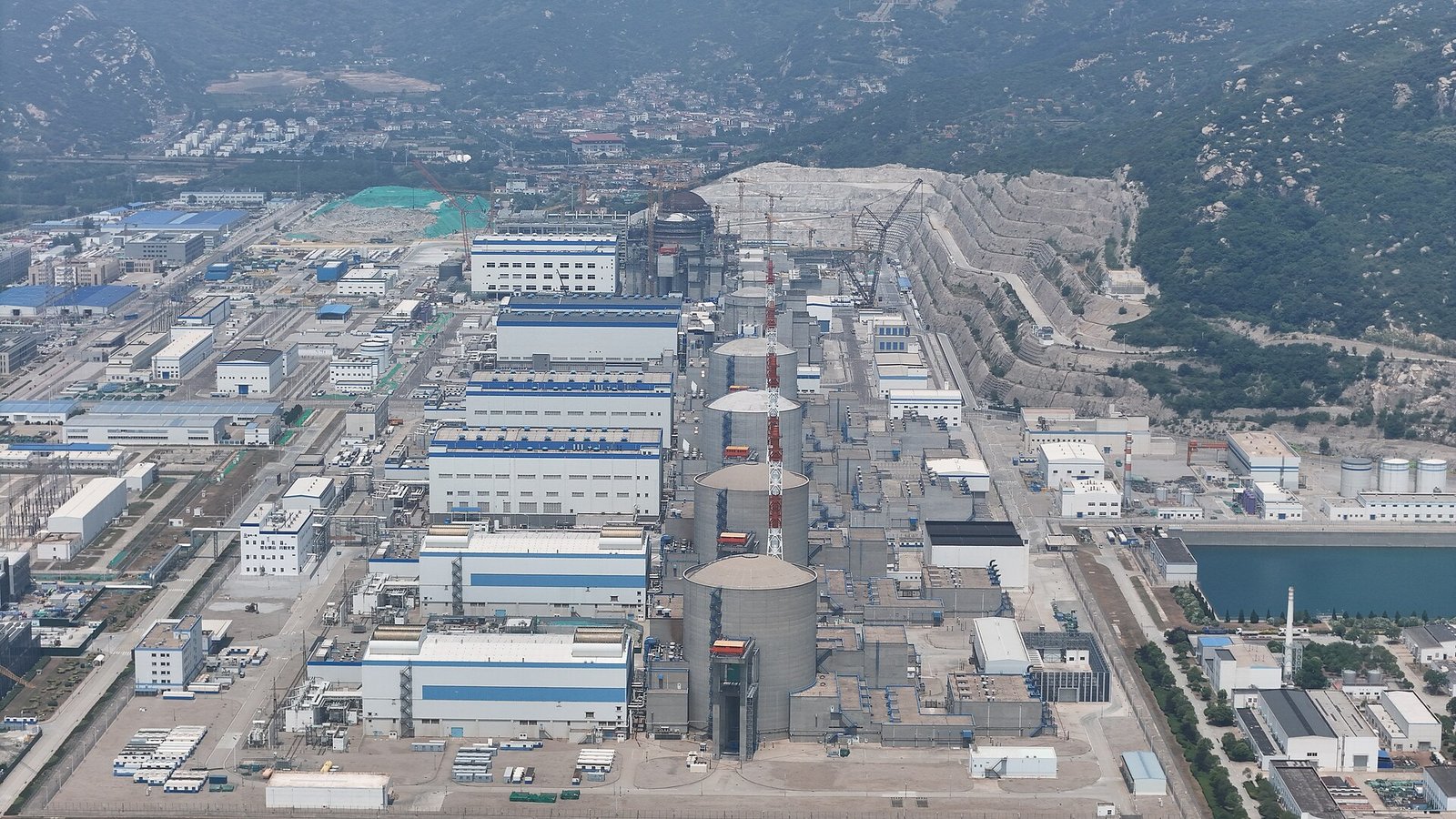
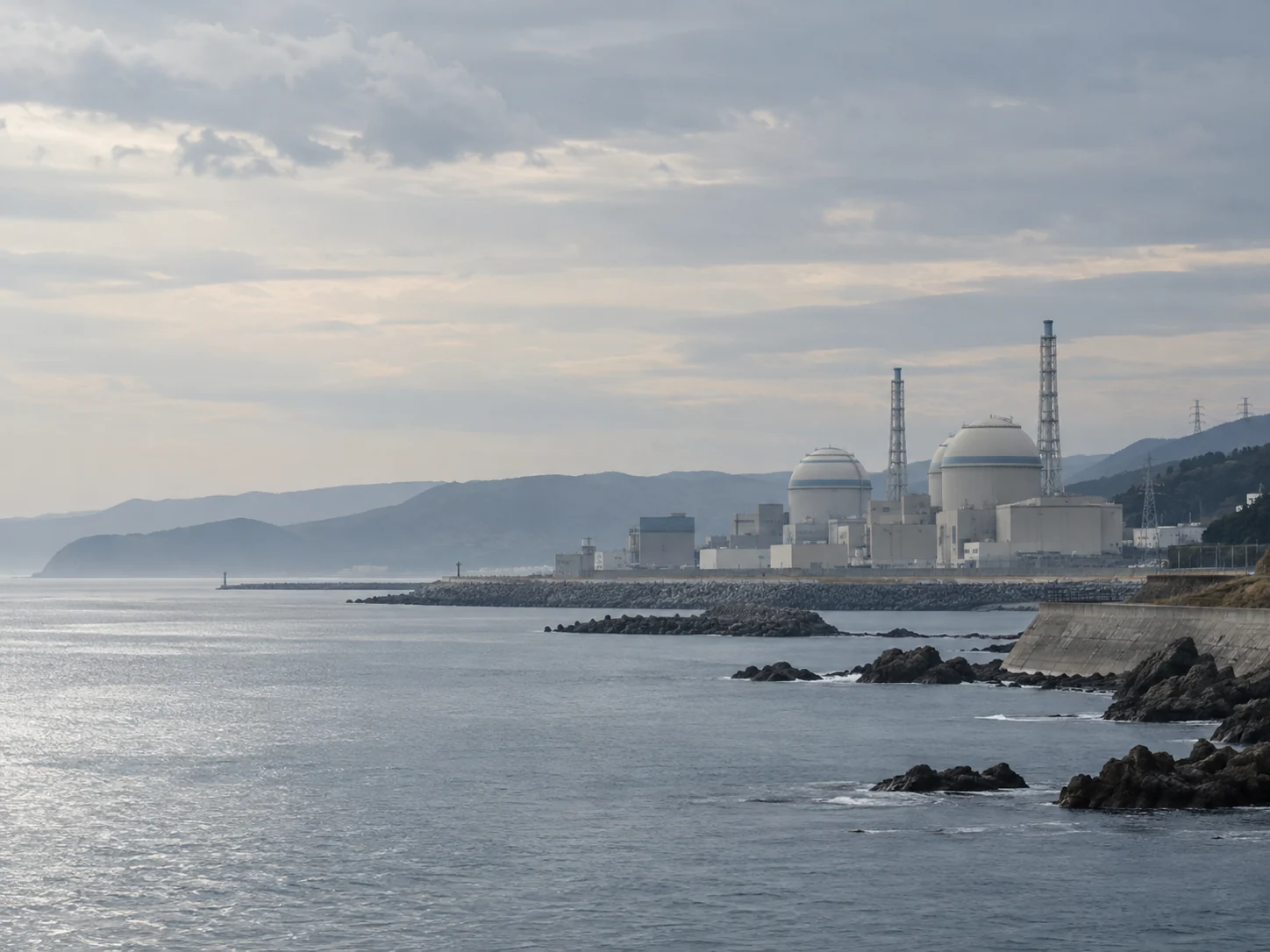
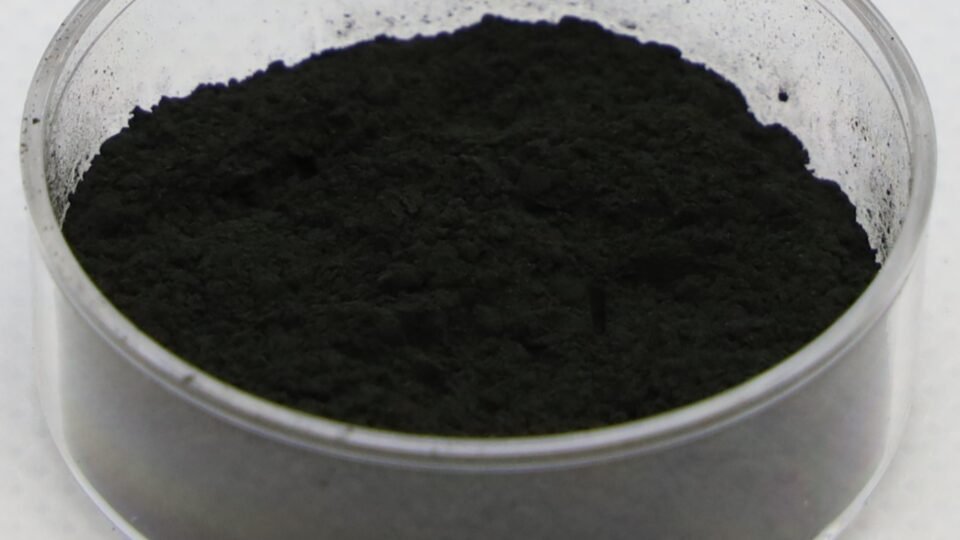
In the Gobi desert, a small Chinese reactor has done what no other has: run on thorium and converted it into uranium fuel. China's nuclear capacity has just overtaken France's and eight new reactors were approved this summer. How China built the world's most ambitious nuclear programme, what thorium could change, and what Europe and Serbia can learn from it.
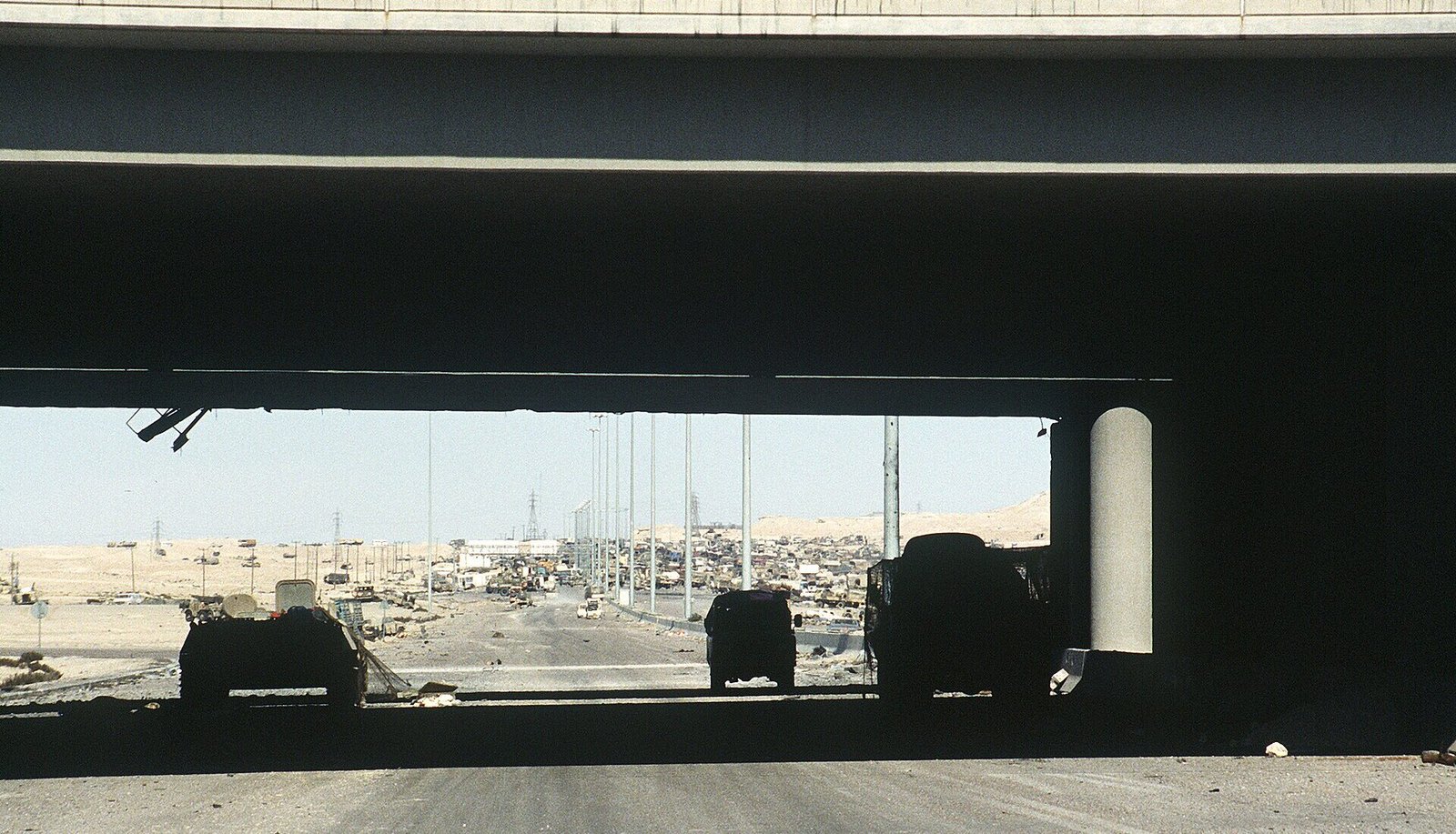
More than 400 tonnes of depleted uranium were fired in Iraq in two wars. Hundreds of contaminated sites, scrap yards full of radioactive metal and a fierce scientific fight over birth defects in Fallujah and Basra followed. What the evidence shows, what it does not, and why it matters again as new wars use the same ammunition.
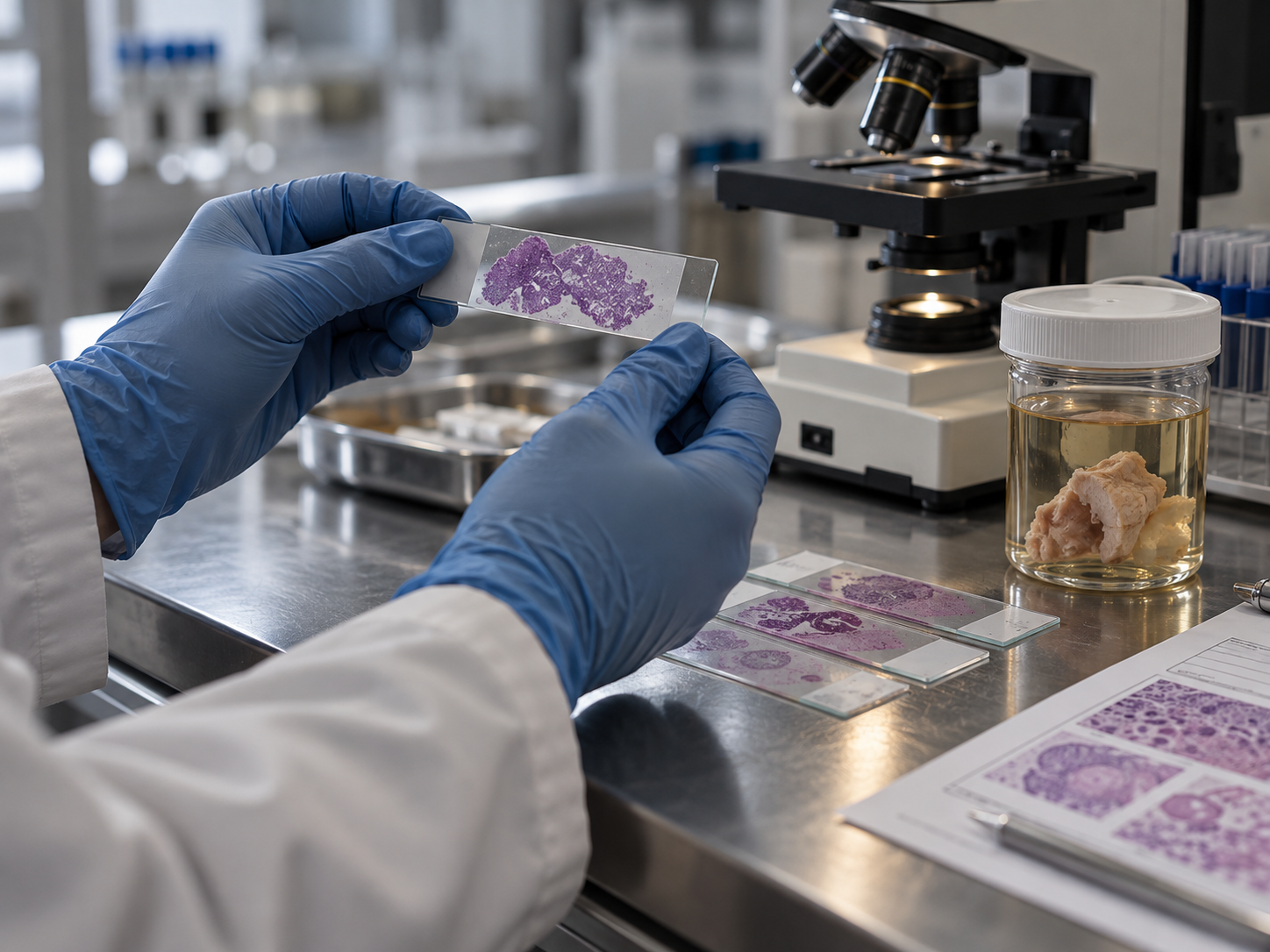
On 15 September 2025, at the request of his daughter, samples of tumour tissue taken from General Nebojša Pavković in a biopsy at the Military Medical Academy in Belgrade about twenty years earlier were packed and sent to a laboratory in Italy. The report came back with a number that has since been quoted across Serbia: 23.80 micrograms of uranium per kilogram of tissue.
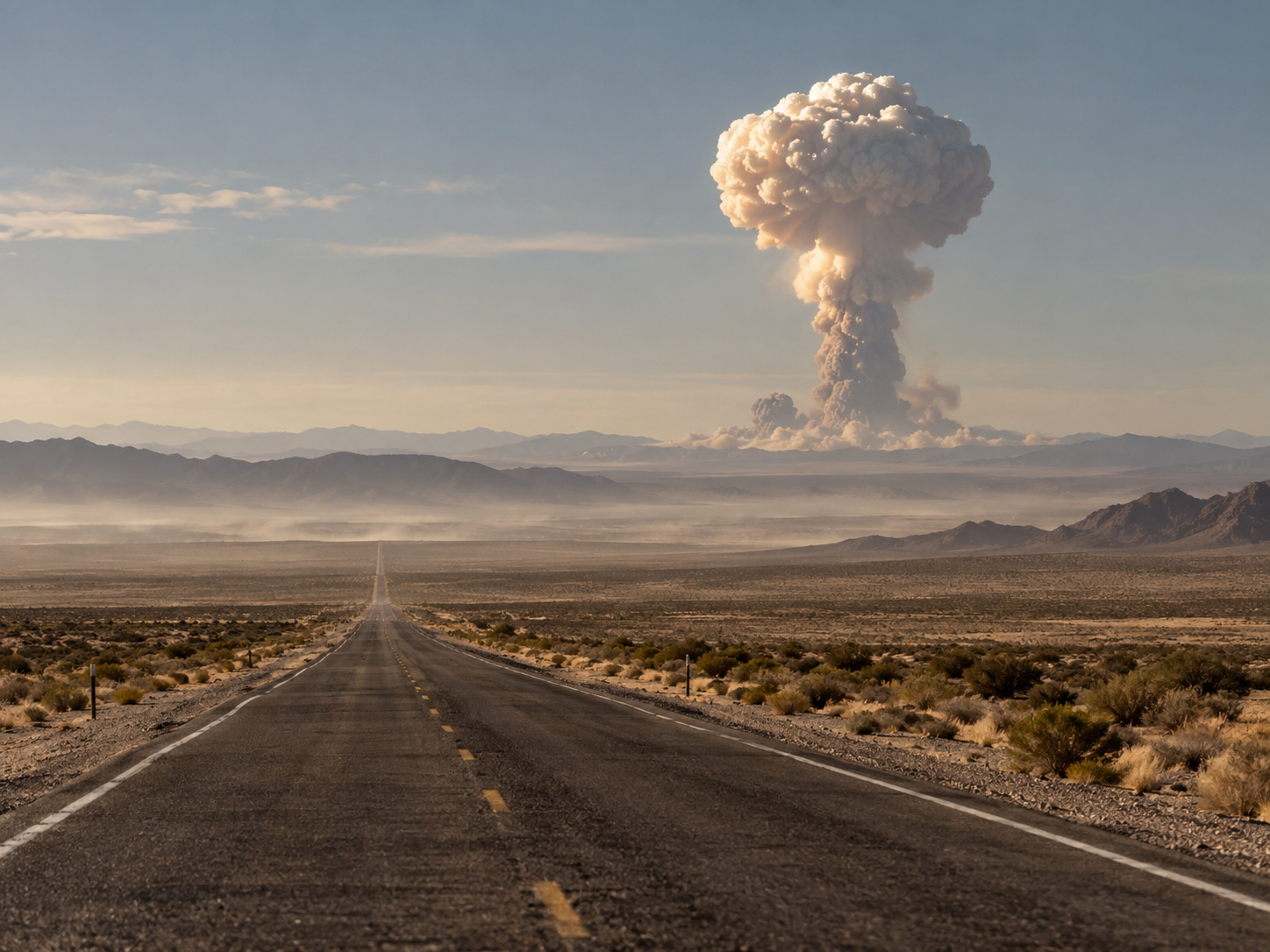
In the early hours of 19 May 1953 the United States detonated a 32-kiloton nuclear device code-named Harry on a tower in the Nevada desert. The wind turned. A radioactive cloud drifted east and hung over the small Mormon town of St. George, Utah, for more than two hours. That spring, thousands of sheep grazing downwind on the ranges near Cedar City died. When the size of the fallout became public, the press gave the test a new name: Dirty Harry.
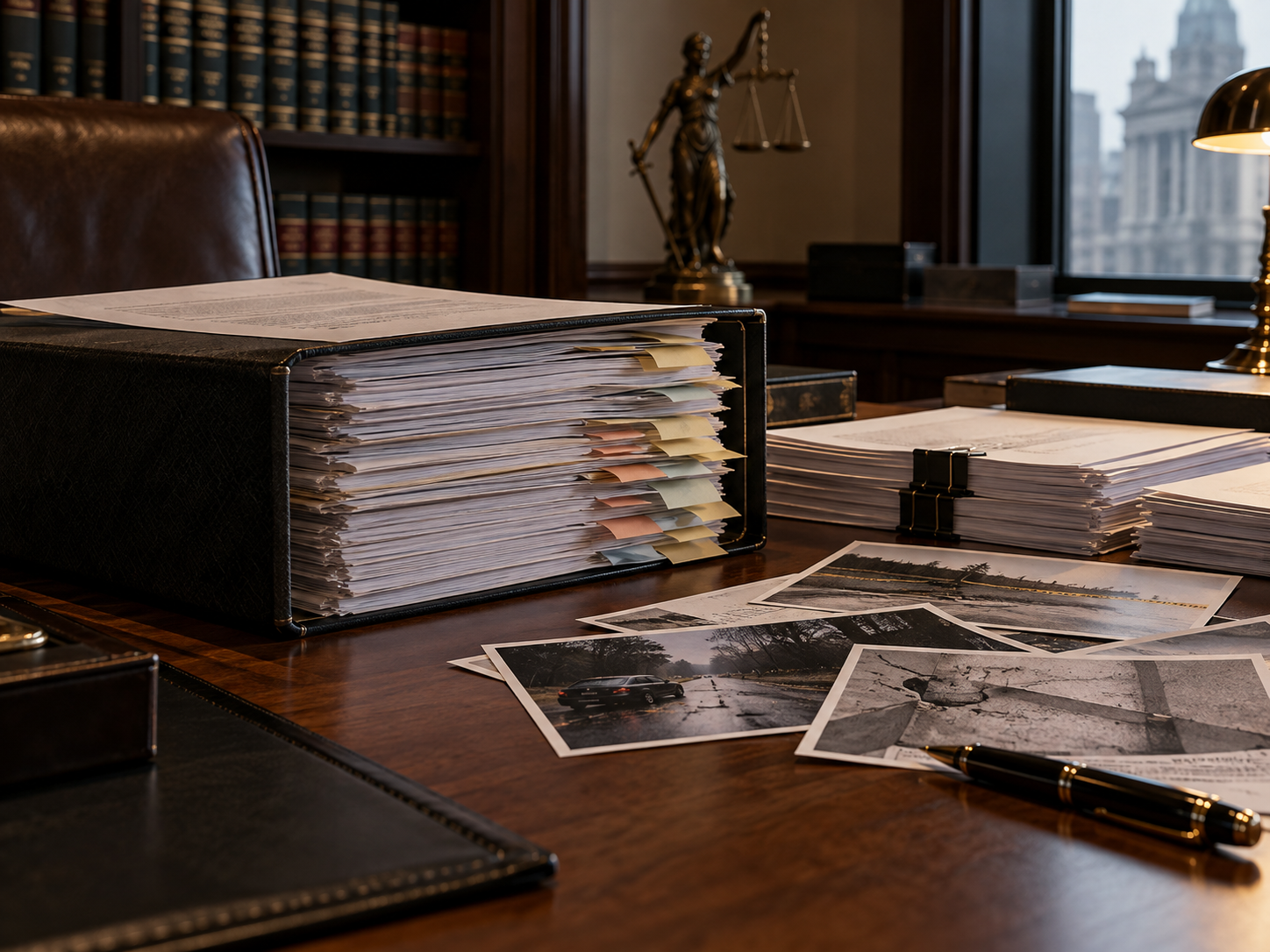
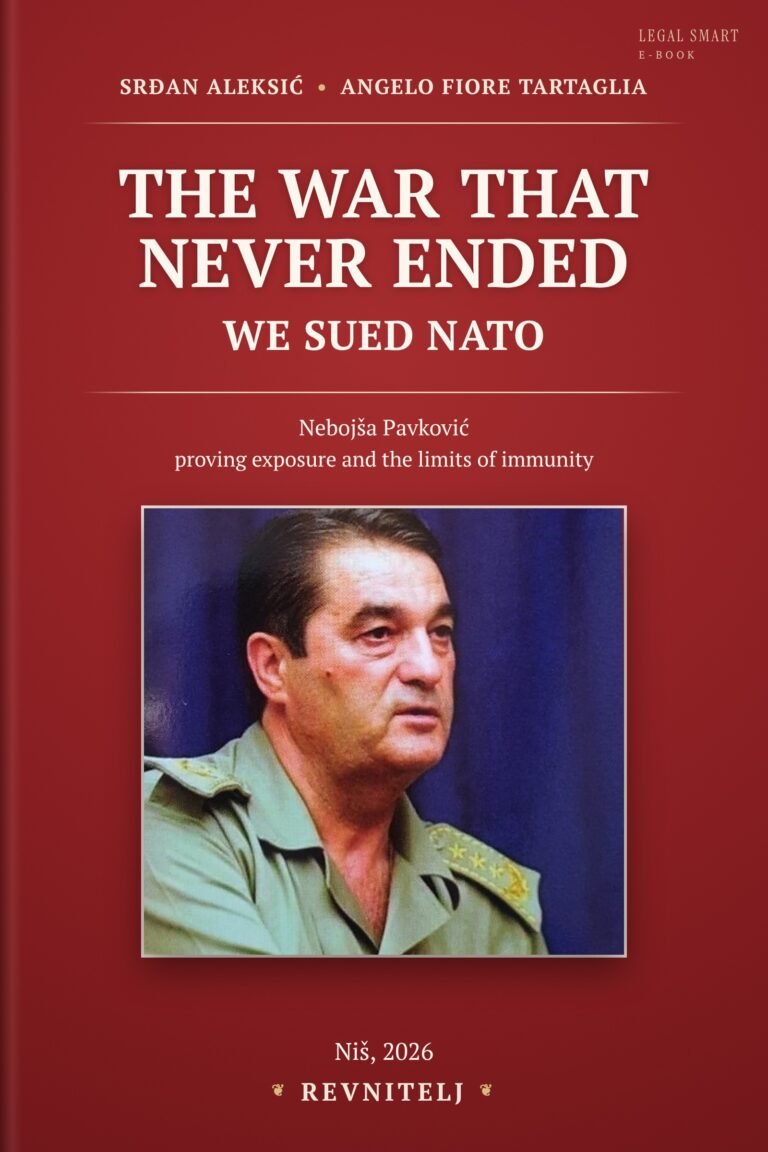
On 19 June 2026 the family of General Nebojša Pavković filed a lawsuit against the North Atlantic Treaty Organization in the Second Basic Court in Belgrade. His daughter, Marija Pavković, told reporters that the claim ran to about a thousand pages. "Dad wanted this to be done," she said, as Kosovo Online reported. "It is one more attempt to reach at least a small part of justice."
Western tanks in Ukraine fire the same kind of depleted uranium rounds that were fired in Kosovo and southern Serbia in 1999, and Kyiv now says Russian drones carry it too. Srđan Aleksić on what the Balkans learned about depleted uranium in Ukraine's future, what one round leaves behind, and what Ukrainians should start doing now, before the illnesses come.
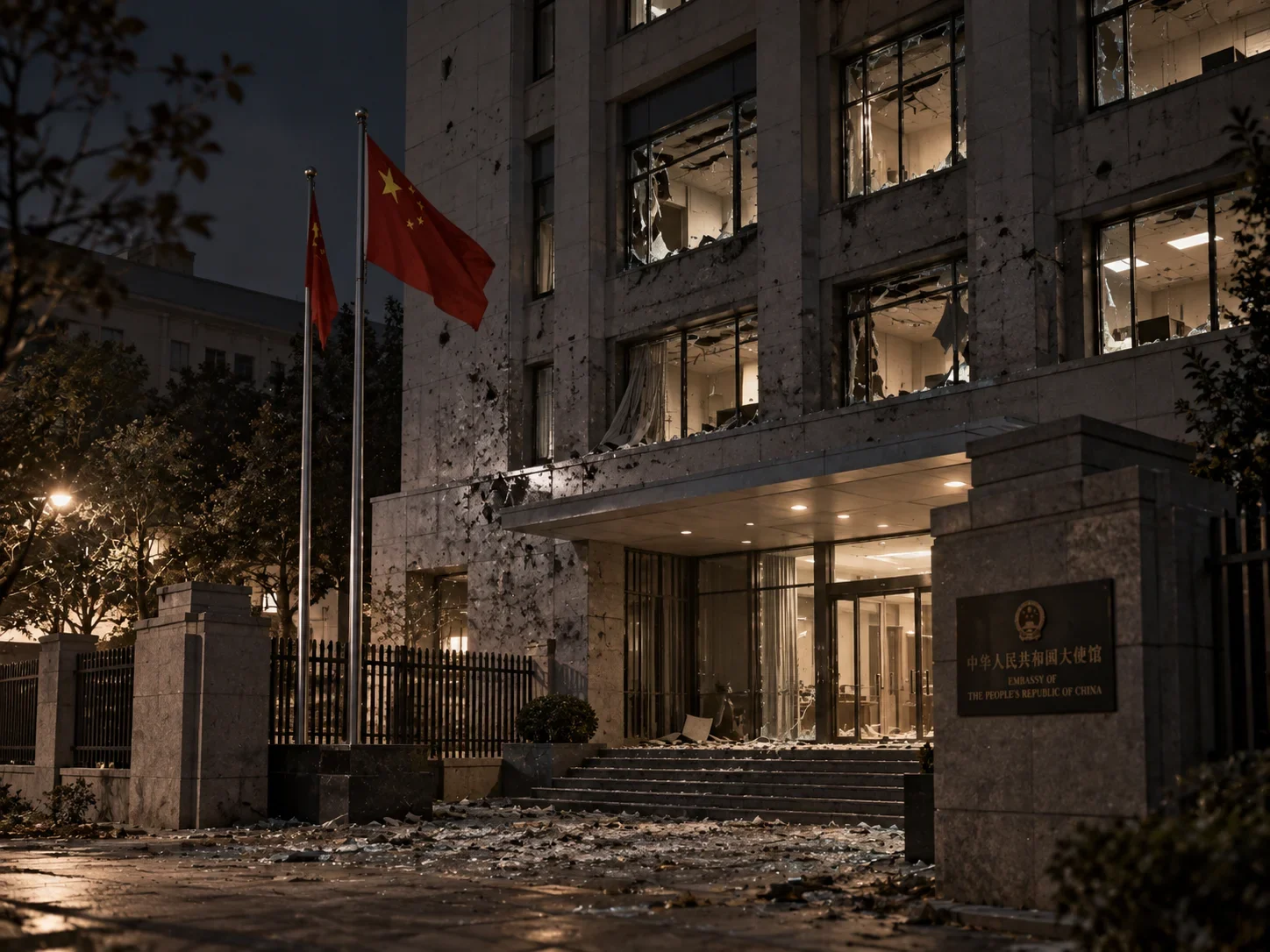
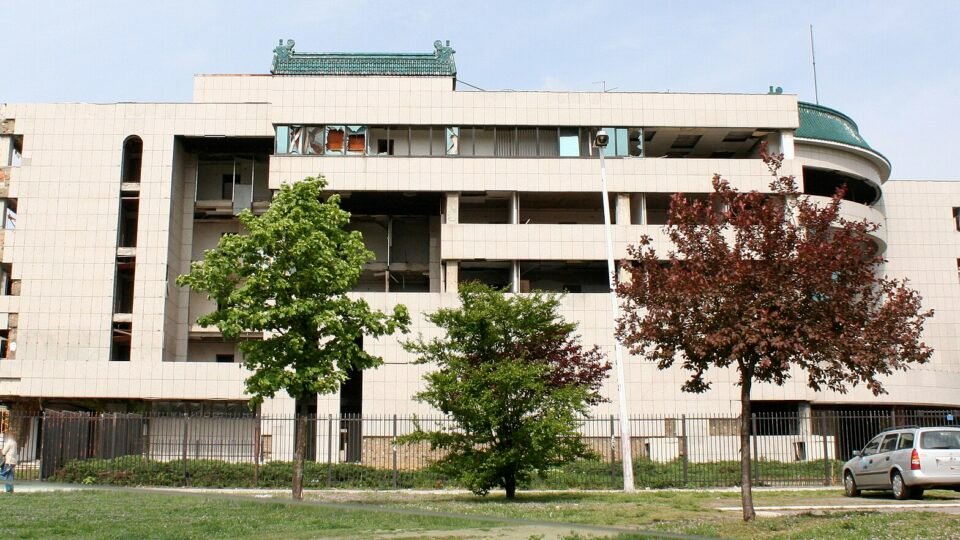
On 7 May 1999 American bombs hit the Chinese embassy in Belgrade. Within months the United States had paid for the dead, the wounded and the building. Srđan Aleksić on what the Chinese embassy bombing compensation shows about who gets paid after a war, and why the sick of Serbia are still waiting.
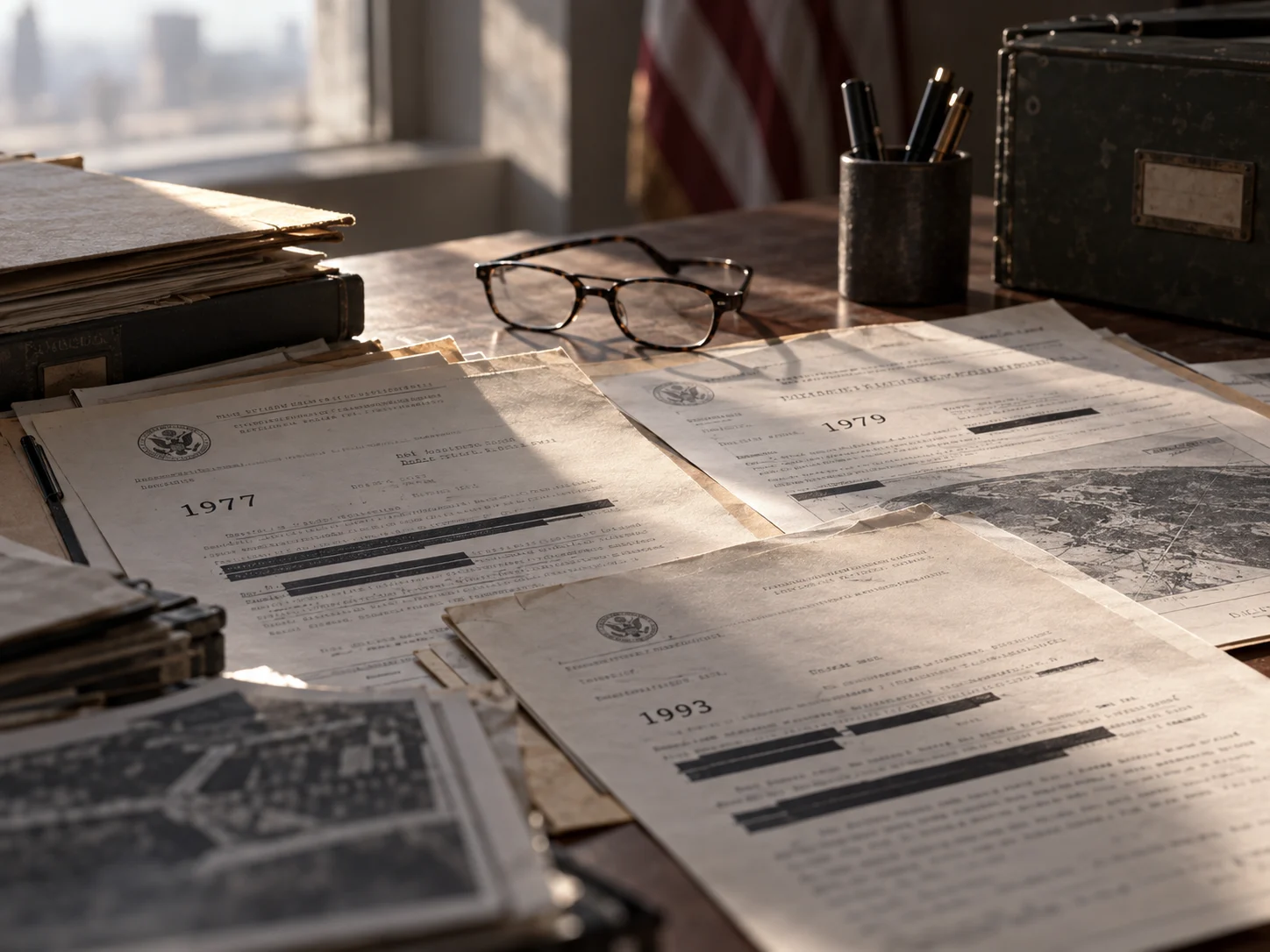
The most important evidence about the danger of uranium dust does not come from Serbia. It comes from the United States: its Air Force tests, its Army memoranda, its own courts and its own veterans. Srđan Aleksić on what America knew about depleted uranium health effects, and how that knowledge belongs in every courtroom.
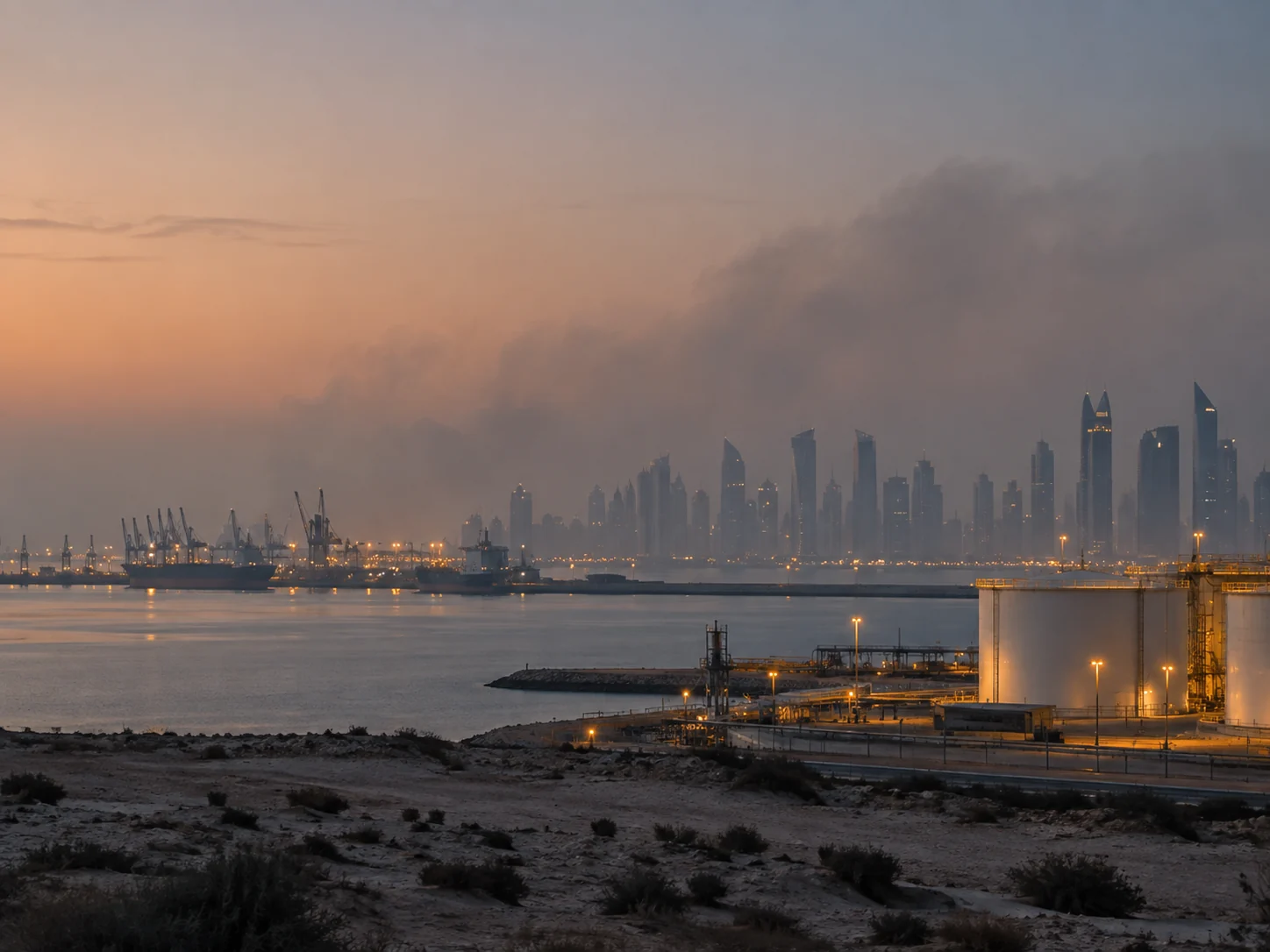
Missiles, drones and the fragments of interceptors have fallen on Doha and Dubai. A gas complex, an airport's fuel tanks, a port and industrial plants have burned. Srđan Aleksić on what that smoke and dust can contain, what the Balkans learned about it too late, and what the people of the Gulf should do now.
Japan's nuclear operator has paid more than 11.5 trillion yen to the people of Fukushima, and most of them never had to prove they were ill. Italian courts have ruled for soldiers exposed to depleted uranium more than 300 times. In Serbia, the people who lived under that uranium are still asked for certainty. Srđan Aleksić on what Fukushima compensation teaches the Balkans.
In April 1999 bombs fell on the chemical plants of Pančevo. A quarter of a century later, a study of the bombing records that the quantities released are "impossible to determine" and that no research has said what they did to people. In March 2026 Iranian missiles hit Ras Laffan, the heart of Qatar's gas industry. The Balkans cannot tell Qatar what will happen. They can tell it what is lost when nobody writes the record down.
By What Comes Next · Legal Smart8 min readWarRead full story
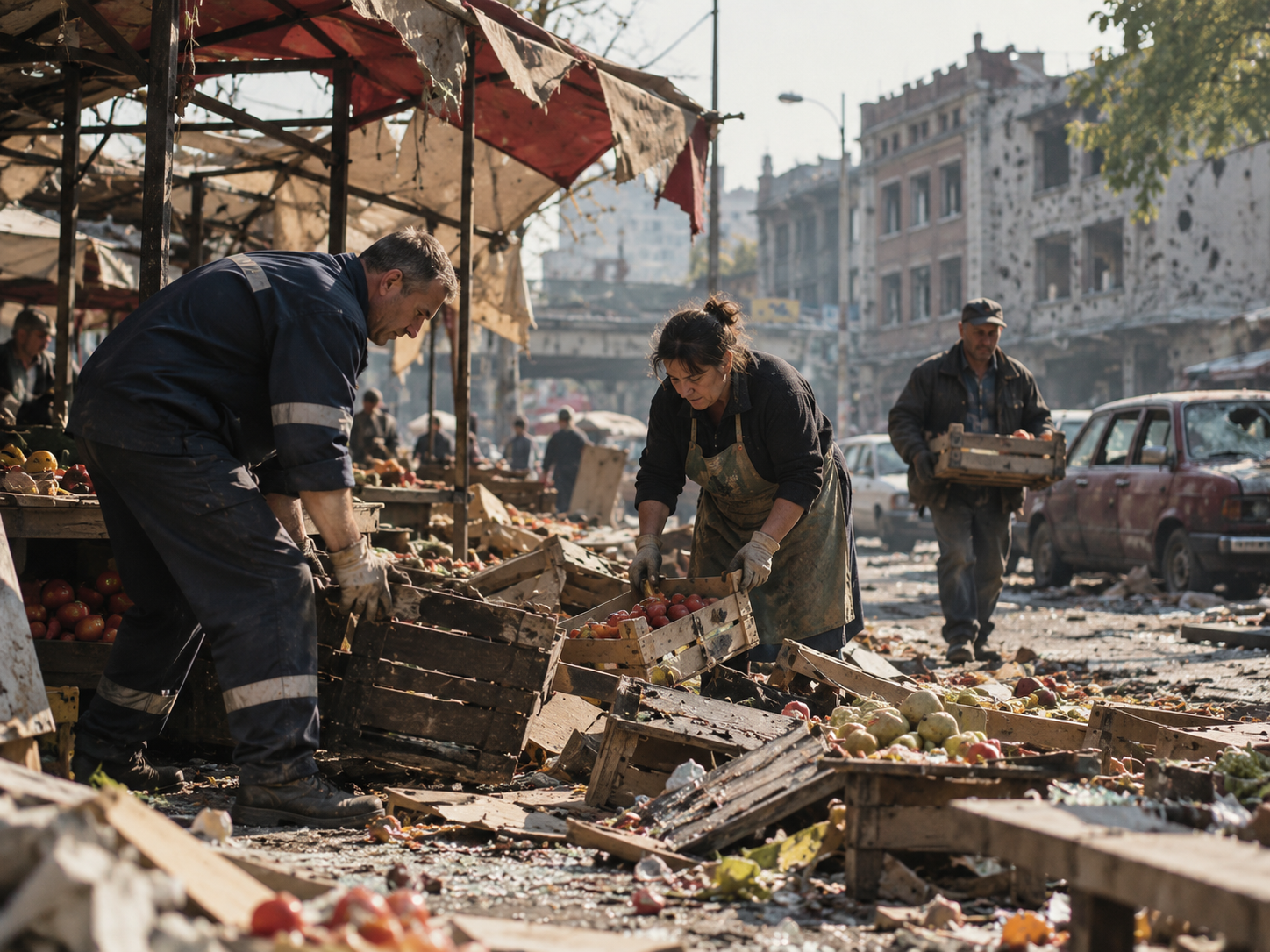
Srđan Aleksić's study of the 1999 bombing reconstructs, from the reports of Niš doctors, what a single cluster attack did to a hospital, a market and the people in them.
A Serbian army officer patrolled the slopes of Pljačkovica above Vranje in 2000 and 2001, months after NATO struck the hill with depleted uranium. Eighteen years later doctors found a leiomyosarcoma. His case became the first individual lawsuit against NATO filed in Serbia. Legal Smart read the file.
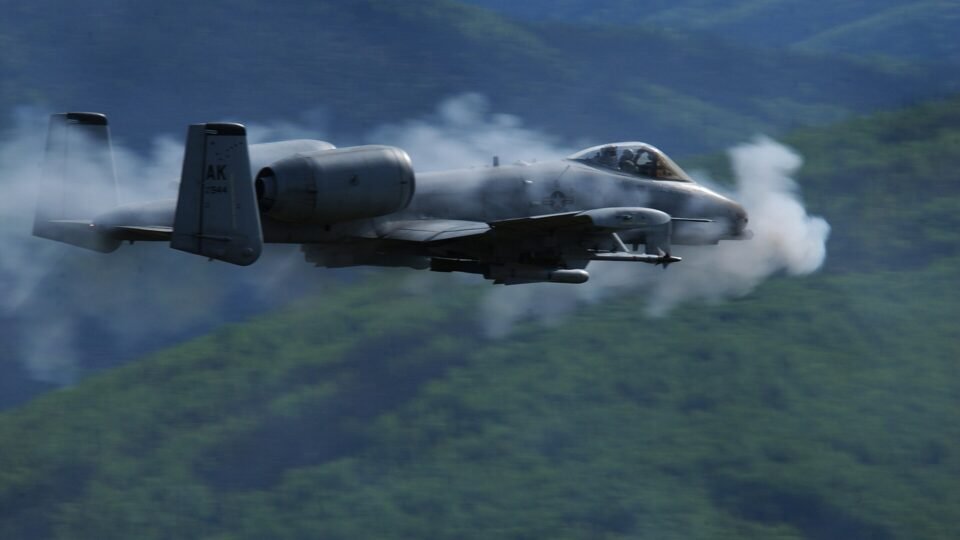
A US Army contract to destroy depleted uranium ammunition runs out in ten days. Meanwhile A-10 attack jets, the aircraft that fired most of the uranium in Iraq and the Balkans, have flown combat missions in the Iran war. The Pentagon has not said what was in their guns.
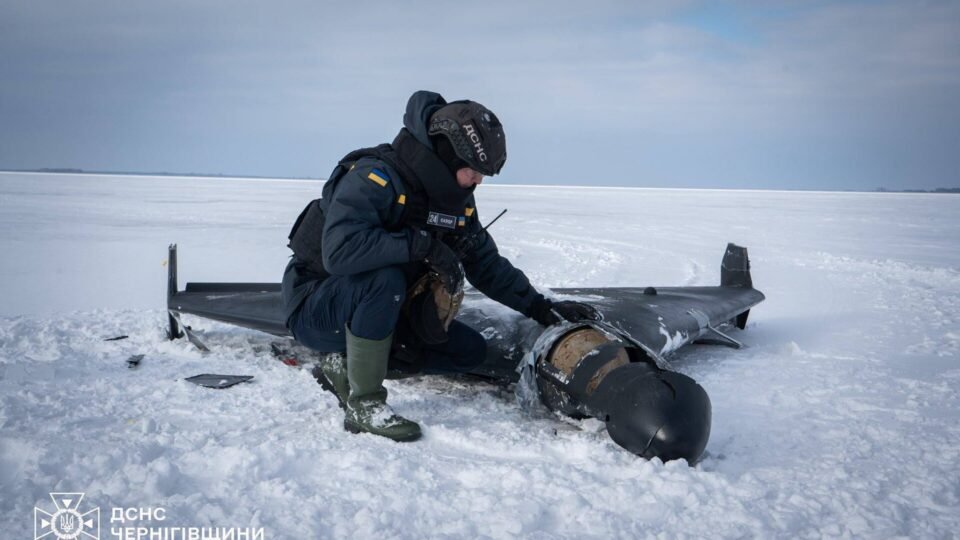
Ukraine’s security service says Russian Geran-2 drones are carrying R-60 missiles with uranium warheads, with fragments reading up to 80 times the permitted dose rate. Legal Smart followed the case files from Chernihiv and Sumy, and back to a hill above Vranje in 1999.
In 1998 a US military laboratory turned healthy human bone cells cancerous with depleted uranium. The World Health Organization's cancer agency classifies internally deposited alpha emitters as carcinogenic to humans. And a Serbian book claims the genetic changes seen after 1999 are ten times more frequent than previously known. Legal Smart separates what is proven, what is claimed, and what nobody has measured.
Before Kosovo, there was Bosnia. In 1994 and 1995 NATO fired about 10,000 depleted uranium rounds at targets around Sarajevo and in Republika Srpska. In 2003 the UN found the first recorded case of uranium in drinking water, airborne uranium inside buildings still in use, and penetrators corroding into the soil. Legal Smart went back to the forgotten file of Hadžići and Han Pijesak.
NATO admitted firing 31,000 depleted uranium rounds and listed 112 sites. Serbian experts say they found a 113th. Five sites were cleaned; 107 in Kosovo were never touched. Villages in southern Serbia emptied. Legal Smart reconstructed the map from the record, and found how much of it is still blank.
In 1999 a US bomb destroyed the Chinese embassy in Belgrade because a database still showed the building as something else. In 2026 a US missile hit a girls' school in Minab, Iran, reportedly because intelligence maps had not caught up with what the building had become. The difference: this time an AI system was building the target lists. Legal Smart compared the two records.
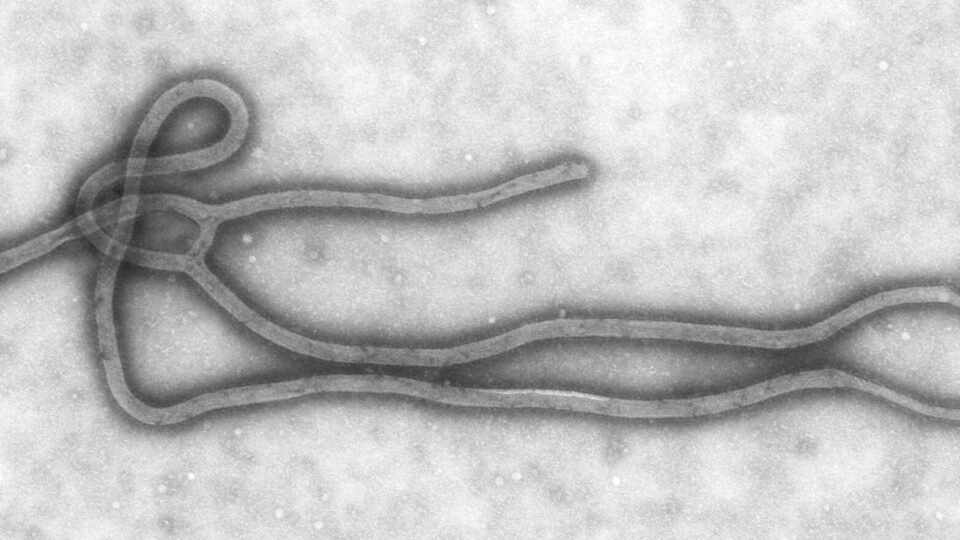
More than 10,500 confirmed cases and 5,100 deaths in Congo. A global health emergency since May. And a virus, Bundibugyo, for which there is no licensed vaccine, no approved treatment and no specific rapid test. How the world prepared for the wrong Ebola, and the race to see whether the old vaccine can stop the new one.
A Yakima County resident exposed to infected cattle has died of H5N1, the third US bird flu death since 2024. Washington now has 40 infected dairy herds. But the one number that tells you whether the virus is spreading quietly among the people who milk the cows has not been published. Legal Smart looked for it.