Lung Cancer in People Who Never Smoked: What the Air, Radon and Serbia’s Numbers Are Telling Us
November is Lung Cancer Awareness Month. The disease kills more people than any other cancer, and a growing share of patients never touched a cigarette. New research points to polluted air and to radon, a gas born from uranium in the ground. What we know, what Serbia's figures show and the symptoms nobody should ignore.
The Short Answer
Yes. Smoking remains the biggest cause, but lung cancer in never-smokers is now a recognised disease of its own, usually adenocarcinoma. A 2025 IARC study in The Lancet Respiratory Medicine found adenocarcinoma makes up 53-70% of lung cancers in never-smokers, and a 2025 Nature study of 871 patients linked fine-particle air pollution to tumour DNA damage. Radon, a radioactive gas from uranium in soil, caused an estimated 84,000 lung cancer deaths in 2019, according to WHO.
For most of the last century, lung cancer had a simple story: it was the price of smoking. That story is still largely true. It is no longer the whole story.
Doctors in Belgrade, Milan and Boston now see patients who never smoked a cigarette, often women, often with a tumour type called adenocarcinoma. November is Lung Cancer Awareness Month, and the research published in the past two years gives a sharper answer than ever to the question those patients ask first: why me?
Can you get lung cancer if you never smoked?
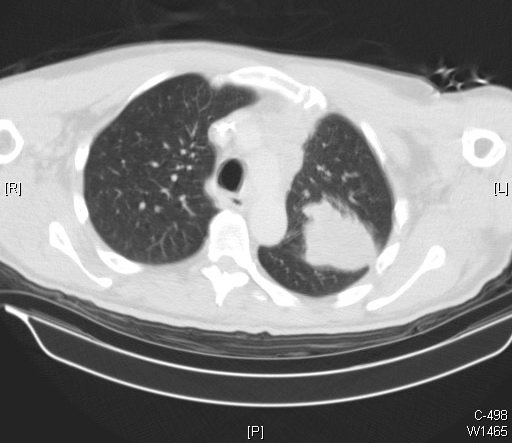
Yes. Lung cancer in never-smokers is now treated by researchers as a distinct disease. A study led by the International Agency for Research on Cancer (IARC), the cancer agency of the World Health Organization, and published in The Lancet Respiratory Medicine on 4 February 2025, found that adenocarcinoma accounted for 53% to 70% of lung cancers in never-smokers worldwide in 2022. The authors estimated that about 80,000 adenocarcinoma cases in women that year could be traced to particulate air pollution.
Five months later, the journal Nature published the largest genetic study of its kind. Researchers led by the US National Cancer Institute and the University of California San Diego sequenced tumours from 871 never-smokers in 28 places on four continents. People with high lifetime exposure to fine-particle pollution had tumours carrying more of the DNA damage usually associated with tobacco, including a 3.9-fold increase in a mutational signature called SBS4, the NIH reported. “Air pollution is strongly associated with the same types of DNA mutations” seen in smokers, said co-author Ludmil Alexandrov.
The numbers in one table
| Lung cancer: key figures | |
|---|---|
| Share of adenocarcinoma among never-smokers’ lung cancers (2022) | 53-70% |
| Adenocarcinoma cases in women linked to air pollution (2022) | about 80,000 |
| Never-smokers in the 2025 Nature genome study | 871, from 28 locations |
| Lung cancer deaths caused by residential radon (2019) | about 84,000 |
| WHO reference level for radon at home | 100 Bq/m³ (no more than 300) |
| New lung cancer cases in Serbia per year | almost 7,000 |
| Lung cancer deaths in Serbia per year | more than 5,000 |
Sources: IARC/The Lancet Respiratory Medicine; NIH/Nature; WHO; Institute of Public Health of Serbia “Dr Milan Jovanović Batut”, via N1.
The gas that comes from uranium
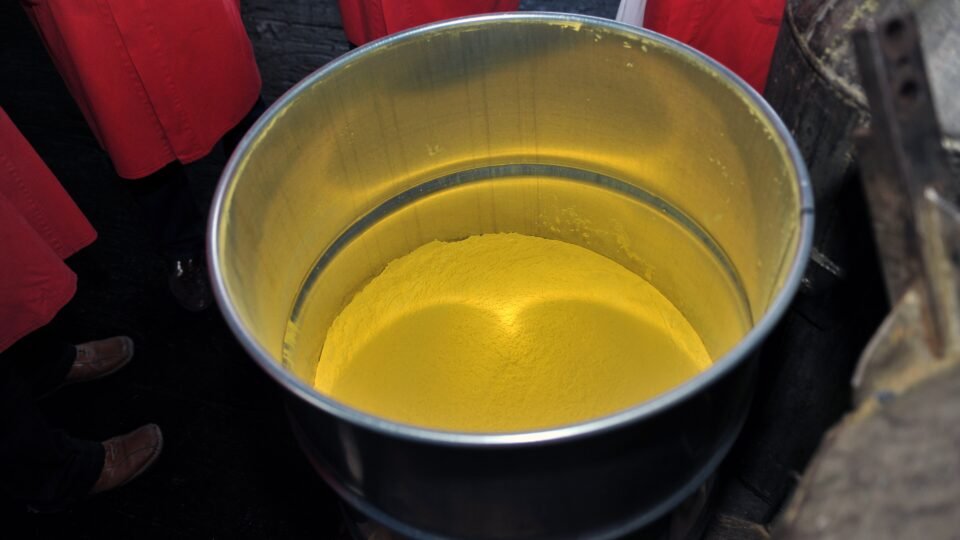
There is a second cause that gets far less attention than smog, and it lives under our feet. Radon is a colourless, odourless radioactive gas produced when uranium in soil and rock decays. It seeps into houses through floors, cracks and basements and builds up where ventilation is poor. When breathed in, its decay products lodge in the lungs and irradiate them from the inside.
The World Health Organization estimates that residential radon caused about 84,000 lung cancer deaths in 2019, and recommends a reference level of 100 becquerels per cubic metre of indoor air, or no more than 300 where that cannot be met, according to a WHO survey of 56 countries. The same survey found that no country required radon testing when a property is sold, and only 15% offered money to fix existing buildings. Radon and tobacco together are worse than either alone: smokers living with high radon carry the highest risk of all.
The link between uranium in the ground and the air in a living room is not a theory; it is basic physics. It is also why Legal Smart pays attention to places where uranium has been disturbed, from abandoned mines to battlefields, a subject explored in our report on the uranium boom and the mines it left behind.
What Serbia’s numbers show
In Serbia lung cancer is the leading cause of cancer death. Almost 7,000 people are diagnosed every year and more than 5,000 die, according to 2023 data from the Institute of Public Health “Dr Milan Jovanović Batut” reported by N1, roughly 13 people a day. Doctors at the Clinical Centre in Niš told the same report that about one in five patients already has metastatic disease at diagnosis, and that small-cell lung cancer is not covered by immunotherapy in Serbia.
Smoking explains much of this; Serbia has long had one of Europe’s highest smoking rates. But the new research means two other questions deserve Serbian answers: how much of the burden comes from winter air pollution in cities heated by coal and wood, and how many homes sit on radon-prone ground. Neither has been mapped as thoroughly as it should be. The books of Srđan Aleksić argue that cancer rates in Serbia rose after the 1999 NATO bombing; that is the books’ claim, examined with the available registry data in our report on cancer in Serbia after 1999.
Europe, the Middle East and America: three different fights
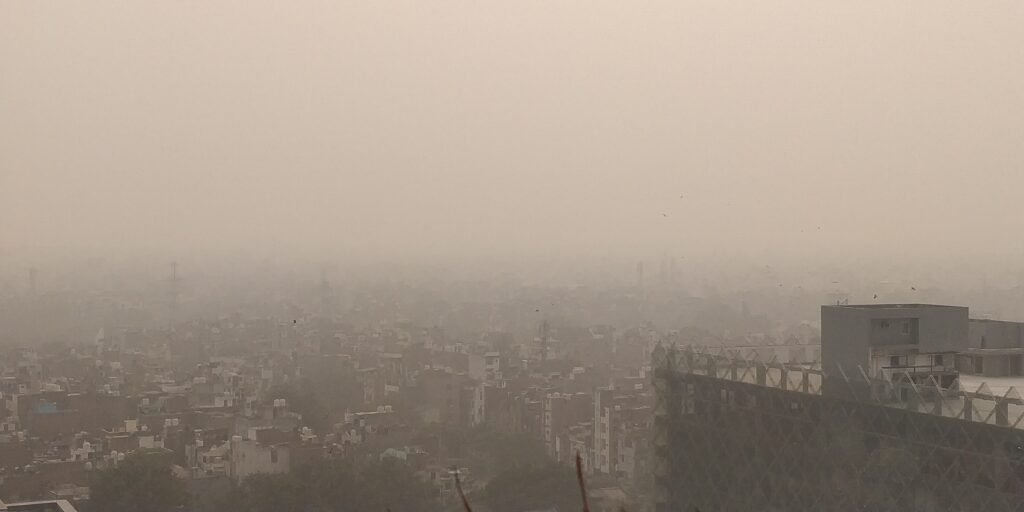
Europe has the tools but uses them unevenly. EU rules require member states to have radon action plans, and the EU has encouraged countries to explore organised lung cancer screening with low-dose CT. Air quality in western Europe has improved for decades; in parts of the Balkans and eastern Europe, winter smog remains a serious problem.
The Middle East faces a different mix: desert dust, oil and gas flaring, and now the smoke and debris of war. Legal Smart has documented how strikes on cities and energy sites put fine particles and toxic materials into the air, from Doha and Dubai to Gaza and Israel. Their effect on lung cancer will only be measurable years from now.
The United States recommends yearly low-dose CT screening for adults aged 50 to 80 with a heavy smoking history, a programme shown in large trials to reduce deaths. It does not yet screen never-smokers, which is exactly the group the new research is bringing into view.
Lung cancer symptoms nobody should ignore
Early lung cancer often has no symptoms, which is why so many cases are found late. See a doctor if any of these last more than three weeks, whether or not you have ever smoked:
- a cough that does not go away or changes;
- coughing up blood;
- chest or shoulder pain, especially when breathing or coughing;
- shortness of breath or wheezing;
- hoarseness;
- unexplained weight loss or tiredness;
- chest infections that keep coming back.
This list follows public guidance from health services such as the UK National Health Service. It is not a diagnosis; only a doctor and imaging can tell.
What you can do now
Do not smoke, and avoid second-hand smoke. Test your home for radon if you live in a house, especially one with a basement or on granite ground; tests are inexpensive and fixes such as sealing and ventilation work. On high-pollution days, limit time outdoors and ventilate when the air is cleaner. And if you have symptoms, do not let “I never smoked” talk you out of a check-up.
Frequently asked questions
Can non-smokers get lung cancer?
Yes. Lung cancer in never-smokers is a recognised disease, most often adenocarcinoma, linked to air pollution, radon, second-hand smoke, occupational exposures and genetics.
What causes lung cancer in non-smokers?
Research points to fine-particle air pollution, radon gas, second-hand smoke, workplace exposures and inherited factors. A 2025 Nature study linked air pollution to the same DNA damage seen in smokers’ tumours.
How does radon cause lung cancer?
Radon is a radioactive gas produced by uranium decay in soil and rock. Inhaled, its decay products irradiate lung tissue. WHO estimates it caused about 84,000 lung cancer deaths in 2019.
What are the first symptoms of lung cancer?
A persistent cough, coughing up blood, chest pain, shortness of breath, hoarseness, weight loss and repeated chest infections. See a doctor if they last more than three weeks.
How common is lung cancer in Serbia?
Almost 7,000 new cases and more than 5,000 deaths a year, according to the Batut Institute’s 2023 data. It is the leading cause of cancer death in Serbia.
Is there lung cancer screening for non-smokers?
Not as a standard programme. The US screens people aged 50 to 80 with a heavy smoking history; Europe is exploring organised screening. Researchers are studying whether never-smokers at risk should be included.
Sources
- Business Standard, IARC study in The Lancet Respiratory Medicine (4 February 2025)
- NIH Research Matters, Factors linked to lung cancer in never-smokers (Nature, July 2025)
- WHO, More countries act against exposure to radon (2021)
- N1, In Serbia 13 people die of lung cancer every day (May 2025)
- NHS, Lung cancer symptoms