The War Ended. The Dust Stayed: Iraq’s Depleted Uranium Legacy, 35 Years On
More than 400 tonnes of depleted uranium were fired in Iraq in two wars. Hundreds of contaminated sites, scrap yards full of radioactive metal and a fierce scientific fight over birth defects in Fallujah and Basra followed. What the evidence shows, what it does not, and why it matters again as new wars use the same ammunition.
The Short Answer
It has not been proven, and it has not been ruled out. More than 400 tonnes of depleted uranium were fired in Iraq in 1991 and 2003, leaving 300 to 365 contaminated sites identified by Iraqi authorities by 2006, mostly around Basra. Studies in Fallujah reported high rates of birth defects and cancer, but their methods were disputed, and a 2013 Iraqi Health Ministry and WHO survey reported no clear evidence of excess birth defects. The full data were never published.
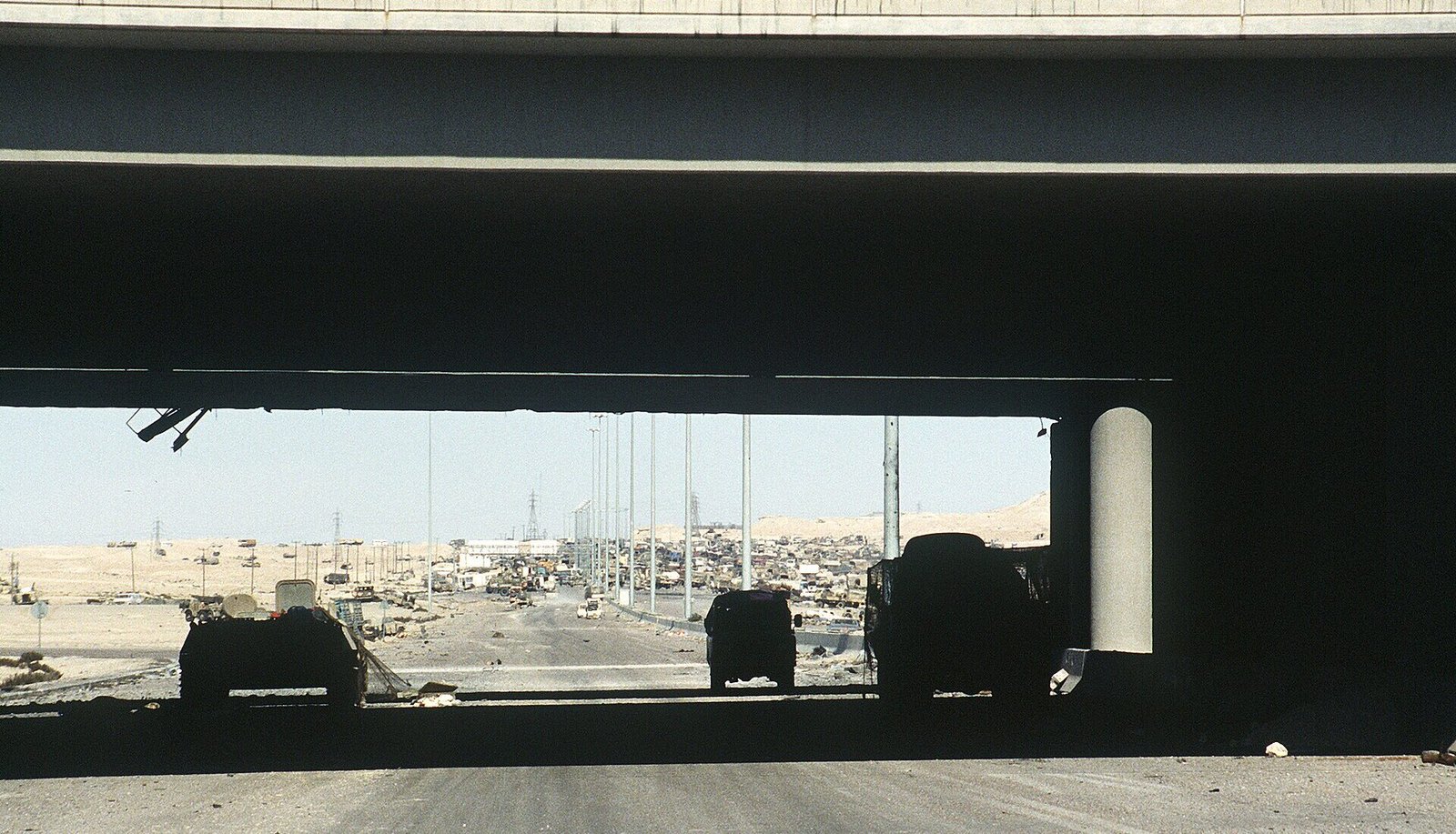
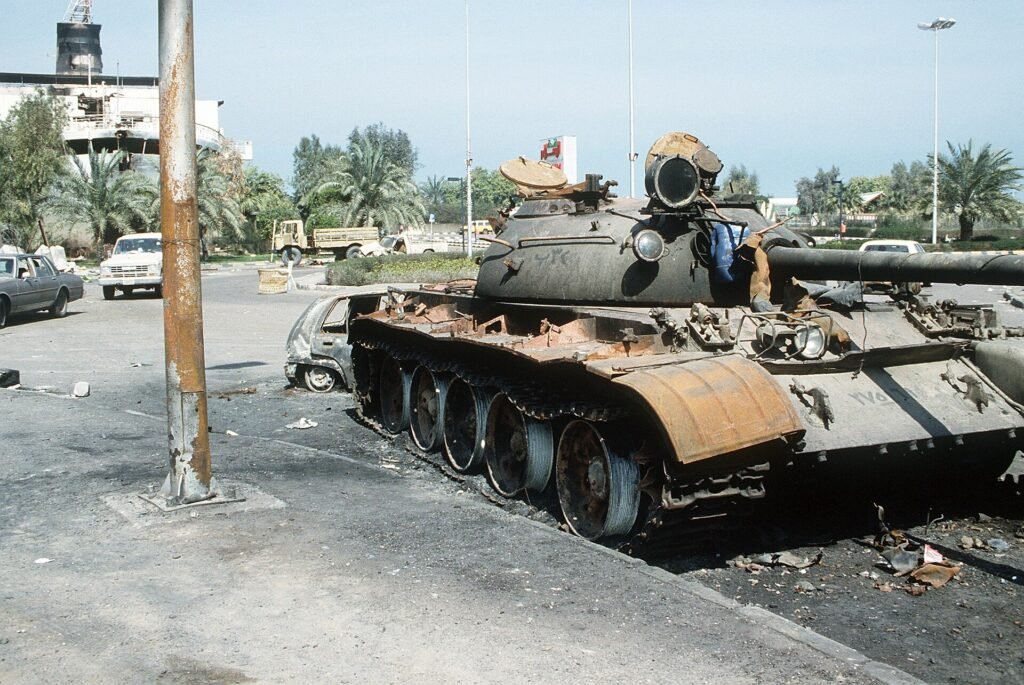
In the spring of 1991 the road from Kuwait City to Basra became a graveyard of metal. Tanks, trucks and stolen cars lay burned for kilometres, photographed from every angle and replayed on every television in the world. What the cameras could not show was the dust. Many of those wrecks had been pierced by a new kind of ammunition, made from the waste of the nuclear industry: depleted uranium.
Thirty-five years and two wars later, Iraq is still living with that dust. And the question it raises has become urgent again, because the same ammunition has since been sent to Ukraine, and new wars in the Middle East are being fought with weapons whose long-term footprint nobody is measuring.
Did depleted uranium cause cancer and birth defects in Iraq?
The honest answer is that it has been neither proven nor ruled out. What is established is the scale of use and the scale of contamination. More than 400 tonnes of depleted uranium ammunition were fired in Iraq in 1991 and 2003, overwhelmingly by US forces; Britain says it fired under three tonnes. By 2006 Iraq’s Radiation Protection Centre had identified 300 to 365 contaminated sites, most of them in the Basra region, according to the Dutch peace organisation PAX, whose report In a State of Uncertainty remains the most detailed public account. What remains disputed is what that contamination has done to people.
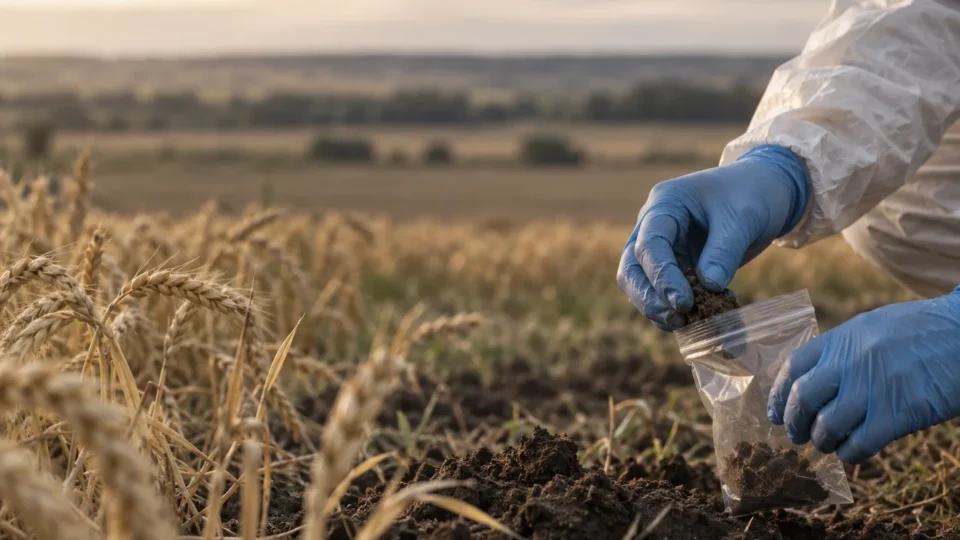
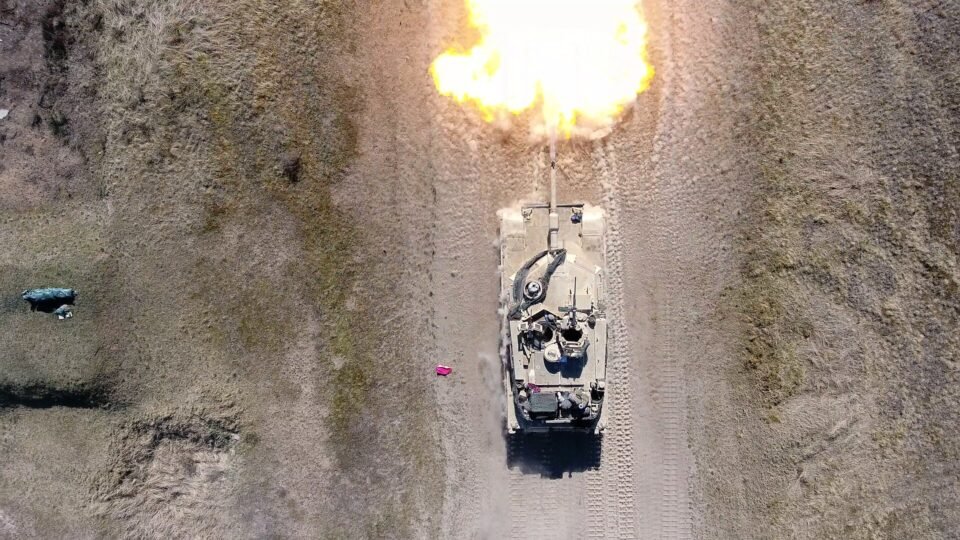
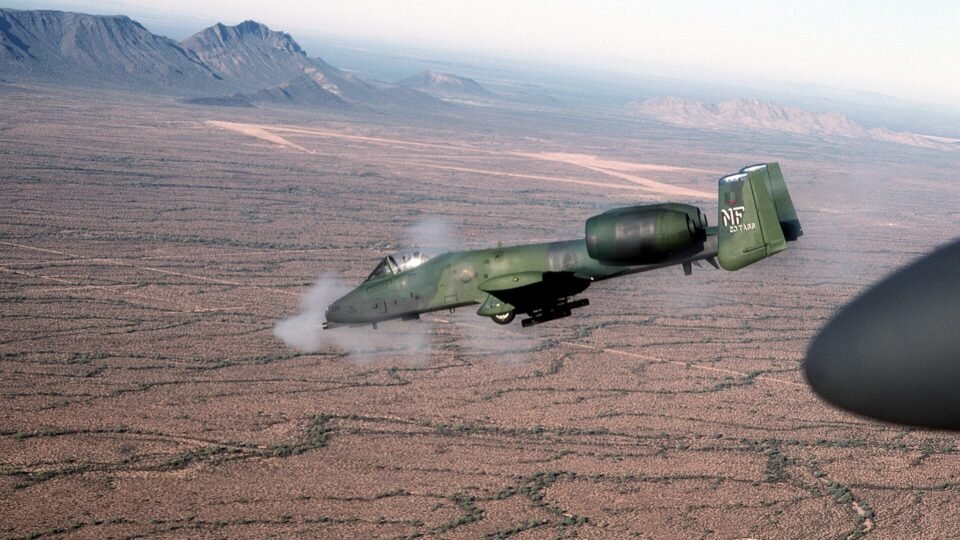
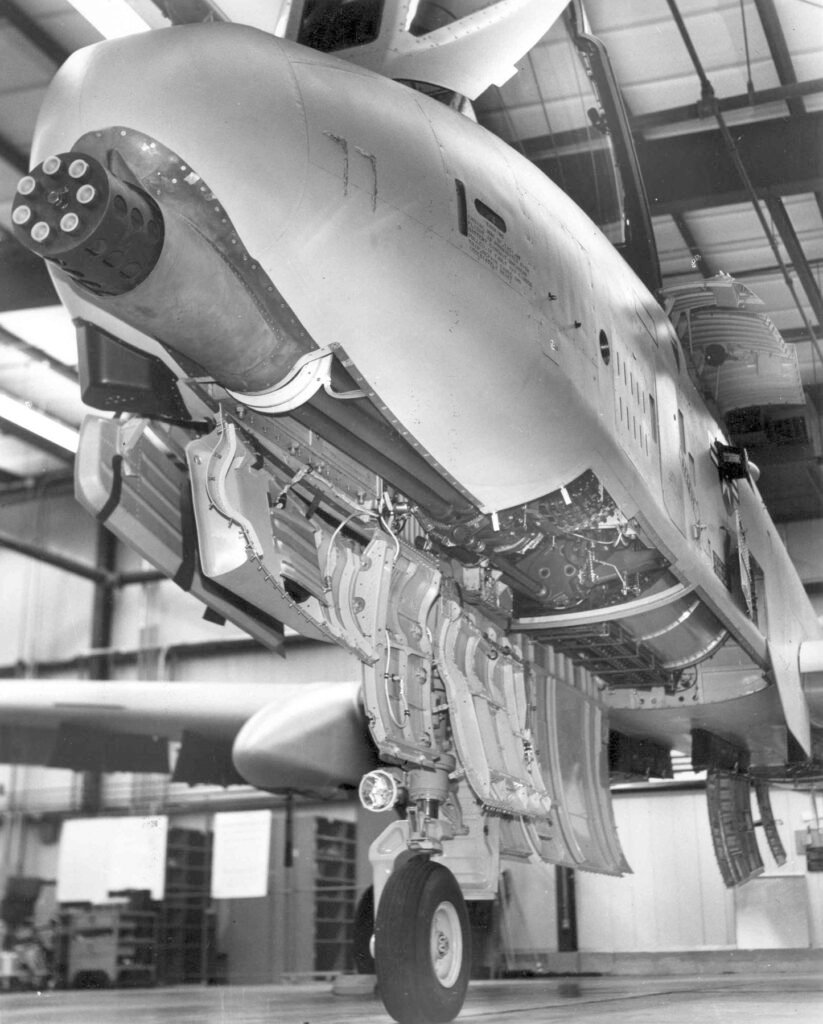
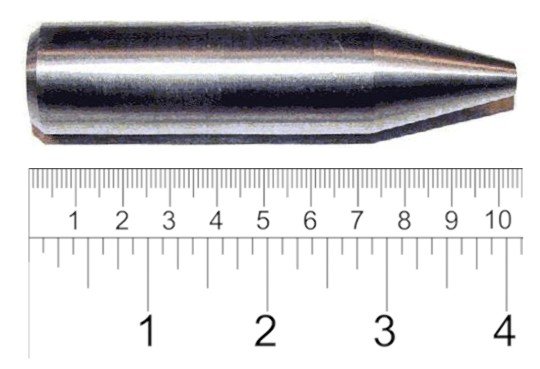
Depleted uranium is what is left after natural uranium is enriched for reactors and bombs. It is about 40% less radioactive than natural uranium, but it is extraordinarily dense, nearly twice as heavy as lead, and it sharpens itself as it punches through armour. It also burns. On impact, part of a penetrator turns into a fine aerosol of uranium oxide particles that can be inhaled, settle on the ground and blow across a landscape. Legal Smart has explained what happens in that moment of impact in detail.
The numbers behind the dust
| Depleted uranium in Iraq | |
|---|---|
| DU fired in 1991 and 2003 (estimate) | more than 400 tonnes |
| Fired by UK forces (UK figure) | under 3 tonnes |
| Contaminated sites identified by 2006 | 300 to 365, mostly near Basra |
| Estimated clean-up cost per site | $100,000 to $150,000 |
| Minimum total clean-up estimate | about $30 million |
| UN vote on DU resolution, December 2024 | 152 in favour, 4 against, 30 abstentions |
Sources: PAX, In a State of Uncertainty; Iraqi Radiation Protection Centre via PAX; UN General Assembly resolution 79/49.
Fallujah, Basra and a fight over evidence
From the late 1990s, doctors in Basra began reporting what they believed were rising rates of childhood leukaemia and congenital malformations. After the two battles of Fallujah in 2004, local paediatricians described a similar pattern. Several studies by Iraqi and foreign researchers reported unusually high rates of birth defects and cancer in Fallujah. Other scientists challenged them on sample size, on how families were selected and on the many other toxic exposures in a city destroyed by war, from burned munitions to heavy metals and open burn pits.
In 2013 Iraq’s Ministry of Health and the World Health Organization released a summary of a large household survey. It reported no clear evidence of unusually high birth defect rates. Critics, including some of the researchers who had worked on Fallujah, attacked the methods, and the full data set was never published. That is where the science has been stuck for more than a decade: strong suspicion, weak official data, and no independent long-term registry of the kind that would settle the question.
This pattern is familiar to anyone who has followed the debate in Serbia, where the question of cancer rates after 1999 has run into the same wall of incomplete records, and where Legal Smart has reported on laboratory analyses of tissue from people exposed in the Balkans.
The scrap metal problem
If the medical evidence is contested, one route of exposure is not. Destroyed tanks and vehicles do not stay where they fall. In Iraq many were dragged to scrap yards, cut up and sold, often by poor workers and sometimes by children, with no protection and no knowledge of what the metal carried. PAX documented this trade and warned that it was spreading contamination far beyond the original battlefields. It also found depleted uranium fired at light vehicles, buildings and civilian infrastructure, including the Ministry of Planning in Baghdad, which undercuts the official line that it was used only against heavy armour.
The United States has never published a full map of where it fired depleted uranium in Iraq. Without that map, clean-up is guesswork. As PAX author Wim Zwijnenburg put it, “It is unclear exactly how many locations may still be contaminated.”
Soldiers as the other witnesses
The strongest evidence about depleted uranium may come not from Iraqi civilians, whose records were destroyed with their hospitals, but from the soldiers who fought there. Of the roughly 697,000 American troops deployed in the 1991 Gulf War, tens of thousands later reported chronic, unexplained illness, the cluster known as Gulf War syndrome; depleted uranium was one suspect among several, alongside nerve-agent exposure, oil fires and experimental medicines. In Britain, a 2009 inquest jury found it “more likely than not” that depleted uranium caused the death of Gulf War veteran Stuart Dyson; the Ministry of Defence rejected that finding.
In Italy, the story went further. More than 300 Italian veterans who served in the Balkans and developed cancer have won cases against the Ministry of Defence, as Legal Smart explains in a separate report on the Balkan syndrome and how Italian courts handled the evidence.
Europe, the Middle East and America: same shell, different memory
Europe has largely treated depleted uranium as a Balkan problem that ended in 1999. It did not. Britain supplied Challenger 2 tank rounds containing depleted uranium to Ukraine in 2023, and the United States followed with Abrams ammunition, without any public system to record where it is fired. Our analysis of what Ukraine can learn from the Balkans sets out what that means for the cleanup to come.
The Middle East carries the heaviest burden: Iraq, Kuwait, and parts of Syria where US aircraft fired depleted uranium in 2015. With a new war around Iran and the Gulf, the region is again a place where munitions, burning oil and destroyed industry mix in the air, a pattern we documented after the strikes on Doha and Dubai.
America has spent decades and billions on veterans’ illnesses while publicly maintaining that depleted uranium poses little risk. At the United Nations in December 2024, it was one of only four countries to vote against a resolution on the effects of depleted uranium weapons, which passed with 152 votes in favour, according to the UN record.
What would actually help
The legal status of these weapons is contested, a question we examined in is depleted uranium illegal under international law. But three practical steps do not depend on winning that argument. Every state that fires depleted uranium should publish where it was used, as Britain did after 2003. Contaminated wrecks and scrap should be removed and controlled before they enter local markets. And independent cancer and birth registries should be built where the ammunition fell, so that the next debate is fought with data rather than suspicion.
The war in Iraq ended long ago. The record of what it left behind has barely begun.
Frequently asked questions
Is depleted uranium radioactive?
Yes, weakly. It emits mainly alpha radiation and is about 40% less radioactive than natural uranium. The greater concern is internal exposure: inhaled or ingested particles, and its chemical toxicity as a heavy metal.
How much depleted uranium was used in Iraq?
More than 400 tonnes were fired in 1991 and 2003, mostly by US forces, according to PAX. Britain says it fired under three tonnes.
Are there birth defects in Fallujah because of depleted uranium?
Studies reported high rates of birth defects in Fallujah, but their methods were disputed, and other war pollutants may contribute. A 2013 Iraqi-WHO survey reported no clear excess. The question remains open.
Where is depleted uranium contamination in Iraq?
Iraqi authorities identified 300 to 365 contaminated sites by 2006, mostly around Basra, plus scrap yards that spread contaminated metal.
Is depleted uranium used in Ukraine?
Yes. Britain and the United States have supplied tank rounds containing depleted uranium to Ukraine since 2023.
What is Gulf War syndrome?
A cluster of chronic, unexplained symptoms reported by tens of thousands of 1991 Gulf War veterans. Depleted uranium is one suspected factor among several, not a proven cause.
Sources
- PAX, In a State of Uncertainty: depleted uranium in Iraq (2013)
- UN General Assembly resolution 79/49, votes (2 December 2024)
- Declassified UK, Courts accept cancer risk denied by army (2023)
- The New Humanitarian, Iraq: high levels of radioactive pollution in the south
- Truthout, Depleted uranium contamination is still spreading in Iraq