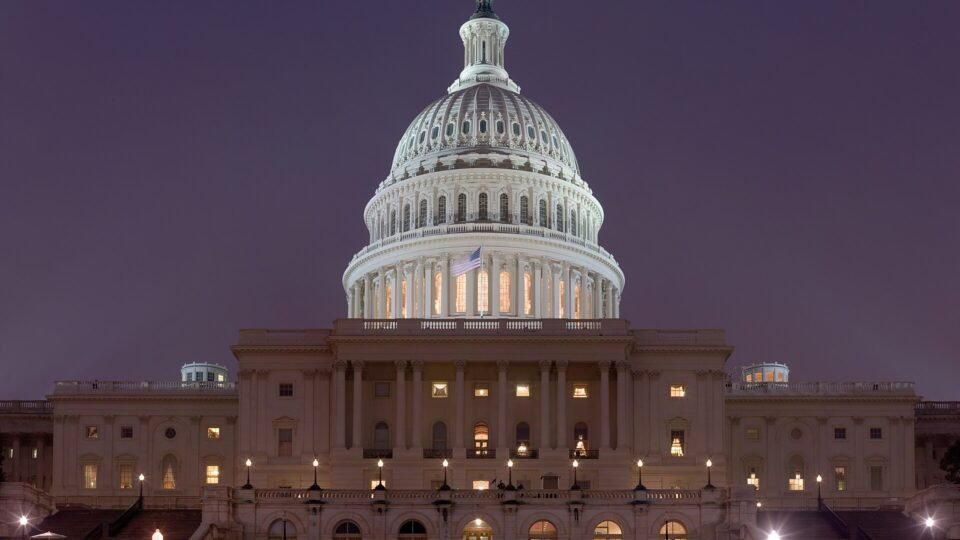
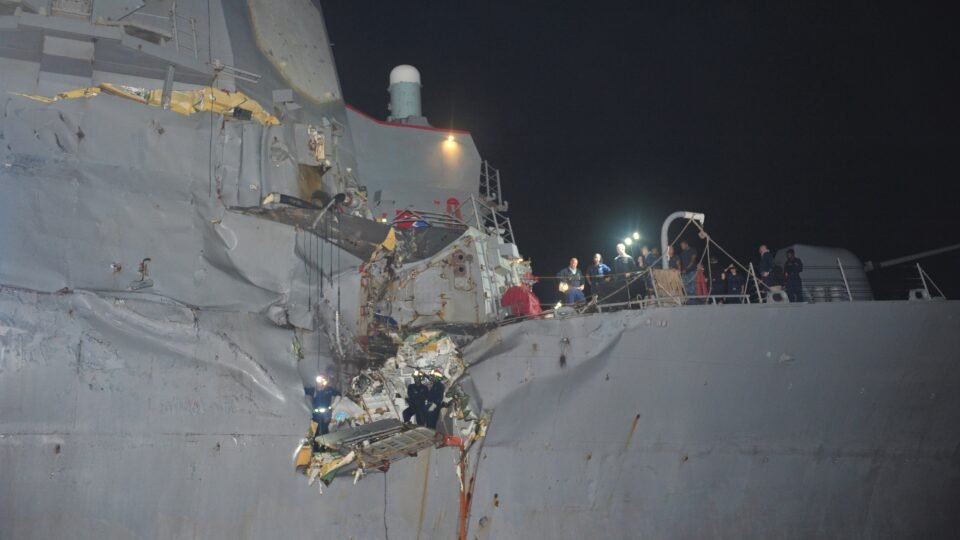
Israel Is Readying Another Strike on Iran. Would It Be Legal? What International Law Says About Hitting First
Israel’s security cabinet has ordered the army to prepare for a possible attack on Iran, and Tehran says it may not wait to be hit. Both sides now speak the language of striking first. Legal Smart read the rules that are supposed to decide when that is allowed.
The Short Answer
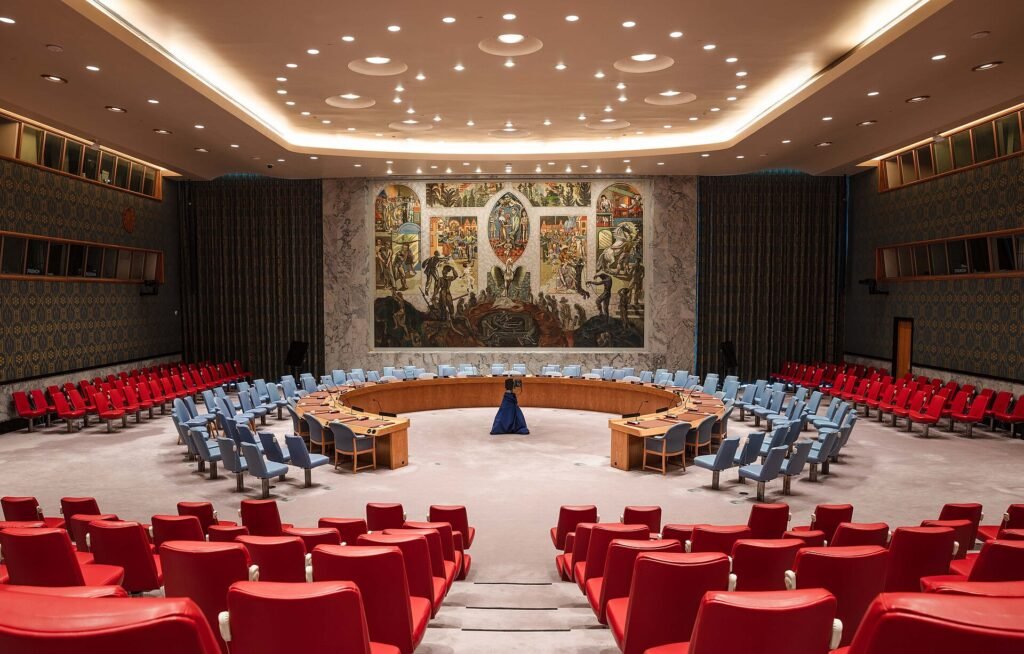
Under the UN Charter, force is lawful only in self-defence against an armed attack or with UN Security Council authorisation. A strike against a threat that is not imminent, to stop future capabilities, is widely regarded as unlawful; the Security Council condemned Israel’s 1981 Osirak strike on that basis. Whether a new strike would count as self-defence depends on whether the 2026 war ever legally ended.
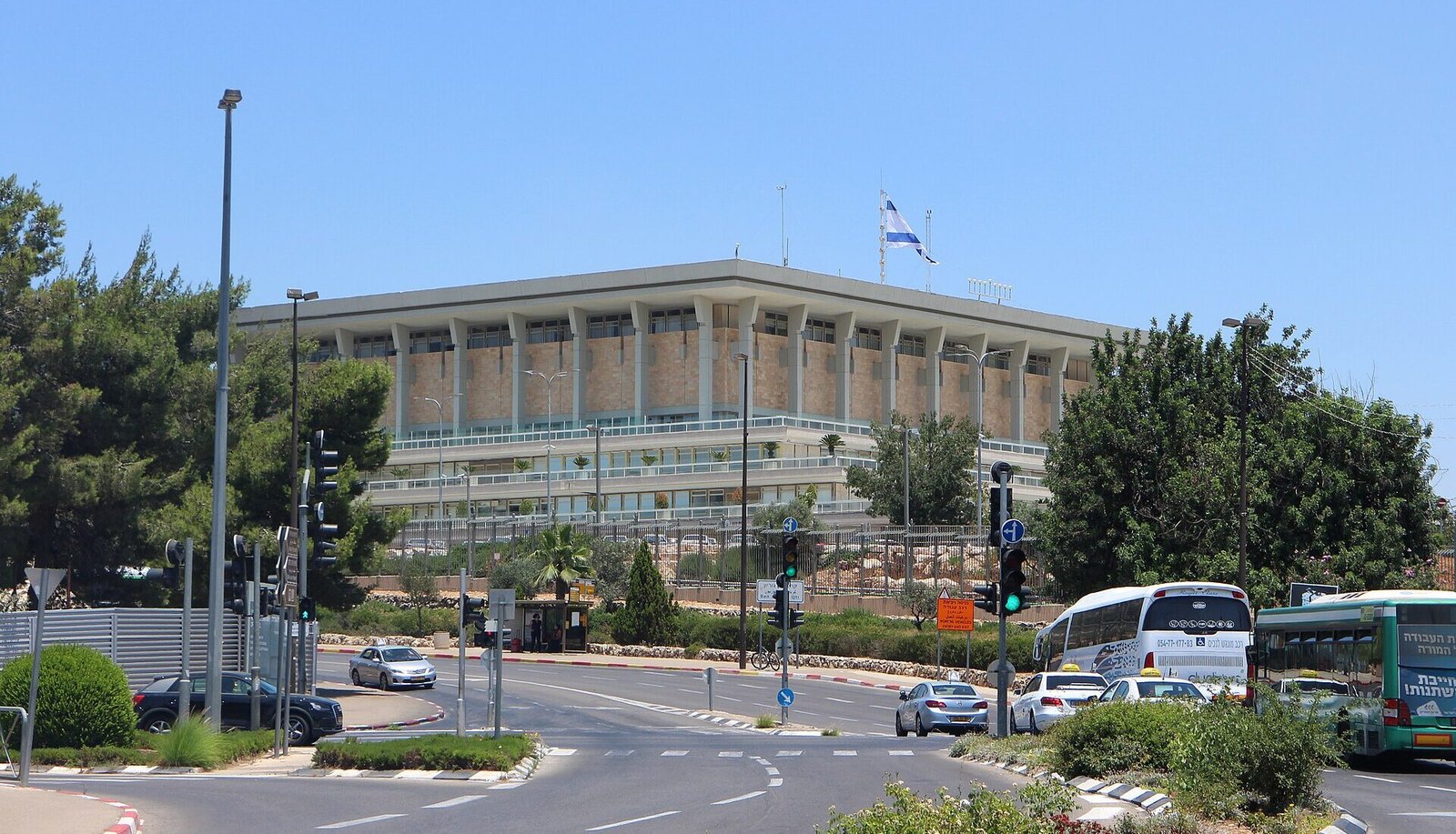
On Wednesday evening, 11 November, Israel’s security cabinet met under Benjamin Netanyahu and told the army to step up preparations for a possible attack on Iran. The public broadcaster Kan, which revealed the decision, said the directives could lead to activities that “could trigger a war”. The sentence matters because of who said what next. The opposition leader Gadi Eisenkot, who has been offered the chance to form Israel’s next government, urged Netanyahu not to use the army “without a direct and immediate threat”.
In Tehran, the same vocabulary is in use. Mohsen Rezaei, secretary of Iran’s Supreme National Security Council, warned that every base used in a new attack, “from West Asia to Europe”, would be a target. Al Jazeera’s correspondent reported that some voices in the Iranian leadership argue Iran “will not wait” and could act pre-emptively.
Both sides are now talking about striking first. International law has a fairly clear answer about when that is allowed.
Is a pre-emptive strike legal under international law?
Rarely, and only in a narrow case. Article 2(4) of the UN Charter forbids states to use force or threaten it. There are two exceptions: action authorised by the UN Security Council, and self-defence under Article 51, which applies “if an armed attack occurs”. Most international lawyers accept that a state need not wait to be hit when an attack is genuinely imminent. Far fewer accept force against a threat that is distant or speculative, such as a weapons programme that might be dangerous one day. That is usually called preventive war, and most states treat it as unlawful.
The classic test is almost two centuries old. After British forces destroyed the American steamboat Caroline in 1837, US Secretary of State Daniel Webster wrote that self-defence required a necessity “instant, overwhelming, leaving no choice of means, and no moment for deliberation”. The International Court of Justice added in Nicaragua v. United States (1986) that any force used in self-defence must be necessary and proportionate.
Osirak: the precedent Israel set itself
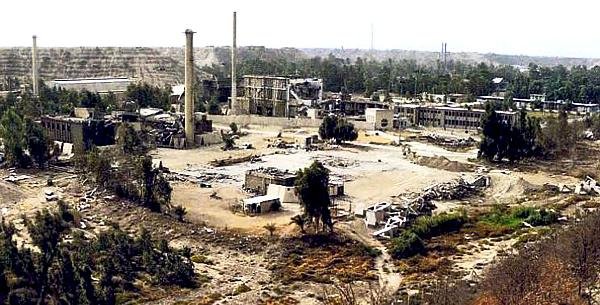
Israel has tested this line before. In June 1981 its aircraft destroyed the Osirak nuclear reactor near Baghdad, arguing that Iraq would otherwise build a bomb. The UN Security Council, with the United States voting in favour, unanimously adopted Resolution 487, which “strongly condemns” the attack as a clear violation of the Charter. It remains the most cited official rejection of preventive force.
The question that changes everything: did the war ever end?
Here the Iranian case is different from Osirak, and this is the point most commentary misses. Israel and the United States went to war with Iran on 28 February 2026. A memorandum of understanding signed in Islamabad in June paused it; it collapsed within weeks, and a US naval blockade has been in force since 14 July. If the armed conflict never legally ended, a new Israeli strike would be argued as a continuation of self-defence in an existing war, not a first strike. Iran would argue the opposite, and so would its threatened pre-emption. Which view a court or the Security Council took would depend on facts that are still disputed: whether the June memorandum amounted to an end of hostilities, and who has attacked whom since.
| The legal test | What it requires | How it applies now |
|---|---|---|
| UN Charter Art. 2(4) | No use or threat of force | Applies to both Israel and Iran |
| Art. 51 self-defence | An armed attack has occurred | Disputed: is the February war still ongoing? |
| Anticipatory self-defence | Attack instant, overwhelming, no alternative (Caroline) | Contested; diplomacy via Qatar is active |
| Preventive force | Stopping future capabilities | Widely seen as unlawful (Res. 487, 1981) |
| Necessity and proportionality | ICJ, Nicaragua (1986) | Applies to any strike, by either side |
A caretaker government and the decision to go to war
There is also an Israeli question. Netanyahu’s coalition lost its majority in elections in October, and he now serves as caretaker while President Isaac Herzog has offered Eisenkot a mandate. Israel’s Basic Law: The Government says the state may begin a war, or a significant military operation likely to lead to one, only by a government decision, which can be delegated to the security cabinet. Kan’s wording, activities that “could trigger a war”, echoes that language closely. Israel’s Supreme Court has held since the Weiss case in 2001 that transitional governments must act with restraint. Eisenkot’s warning was, in effect, an invitation to test that principle.
Washington, meanwhile, speaks with two voices. President Donald Trump has said he is ready to return to war if the Qatari track fails; Secretary of State Marco Rubio says economic pressure is working so well that large-scale operations are unnecessary. For the Hormuz side of the story, read Can a country own a strait?, and for Congress’s role, The war powers vote.
We asked Srđan Aleksić
The question of who may authorise force runs through the work of Prof. Dr Srđan Aleksić, whose 2024 study Projektili pravde examines the legal basis of NATO’s 1999 bombing of Yugoslavia. His answer is already in the book:
“It is a generally known fact that permission and consent for the use of force against the FRY not only did not exist, but was not even sought.”
The Charter, as the book quotes it, obliges states “to refrain from the use of force or the very threat of its use”.
In practical terms, his reading reduces any strike to four questions a court would ask. Was there an armed attack, or one so imminent that nothing else was possible? Was force the only option left while diplomacy was still open? Was it proportionate? And who decided, under which rules? The book’s lesson from 1999 is that when the Security Council is bypassed once and nothing happens, the exception slowly becomes a habit. Every new strike that is not tested against these four questions makes the next one easier to justify, by anyone.
Frequently asked questions
Is Israel going to attack Iran?
Israel’s security cabinet ordered the army to step up preparations for a possible attack on 11 November 2026, according to Kan. No strike had been announced at the time of writing.
What does Article 51 of the UN Charter say?
It preserves the right of individual or collective self-defence “if an armed attack occurs”, until the Security Council acts. Measures taken must be reported to the Council.
What is the difference between pre-emptive and preventive war?
Pre-emption answers an attack that is imminent. Prevention targets a threat that may arise in the future. The first is debated; the second is widely regarded as unlawful.
Was the 1981 Israeli strike on Osirak legal?
The UN Security Council condemned it unanimously in Resolution 487 as a clear violation of the UN Charter.
Can Iran legally strike first?
The same rules apply to Iran. A strike would be lawful only as self-defence against an armed attack that has occurred or is truly imminent, and only if necessary and proportionate.
Sources
- Al Jazeera, Iran warns of expanded retaliation as Israel reportedly readies to attack (12 November 2026)
- Al Jazeera, Can Tehran survive a ‘zero oil’ budget? (11 November 2026)
- United Nations, Charter of the United Nations
- UN Digital Library, Security Council Resolution 487 (1981)
- International Court of Justice, Nicaragua v. United States of America (1986)
- Srđan Aleksić, Projektili pravde, 2024