Can You Sue Instagram for Addiction? Meta Agreed to Pay Up to $18 Billion, but the Science Is Still on Trial
In the space of a year, a Los Angeles jury found Meta and Google negligent, a New Mexico jury fined Meta $375 million, and Meta agreed to pay states up to $18 billion. On 2 November the last defendant in the next trial settled before a word was spoken to the jury. Legal Smart looked at what has actually been proved.
The Short Answer
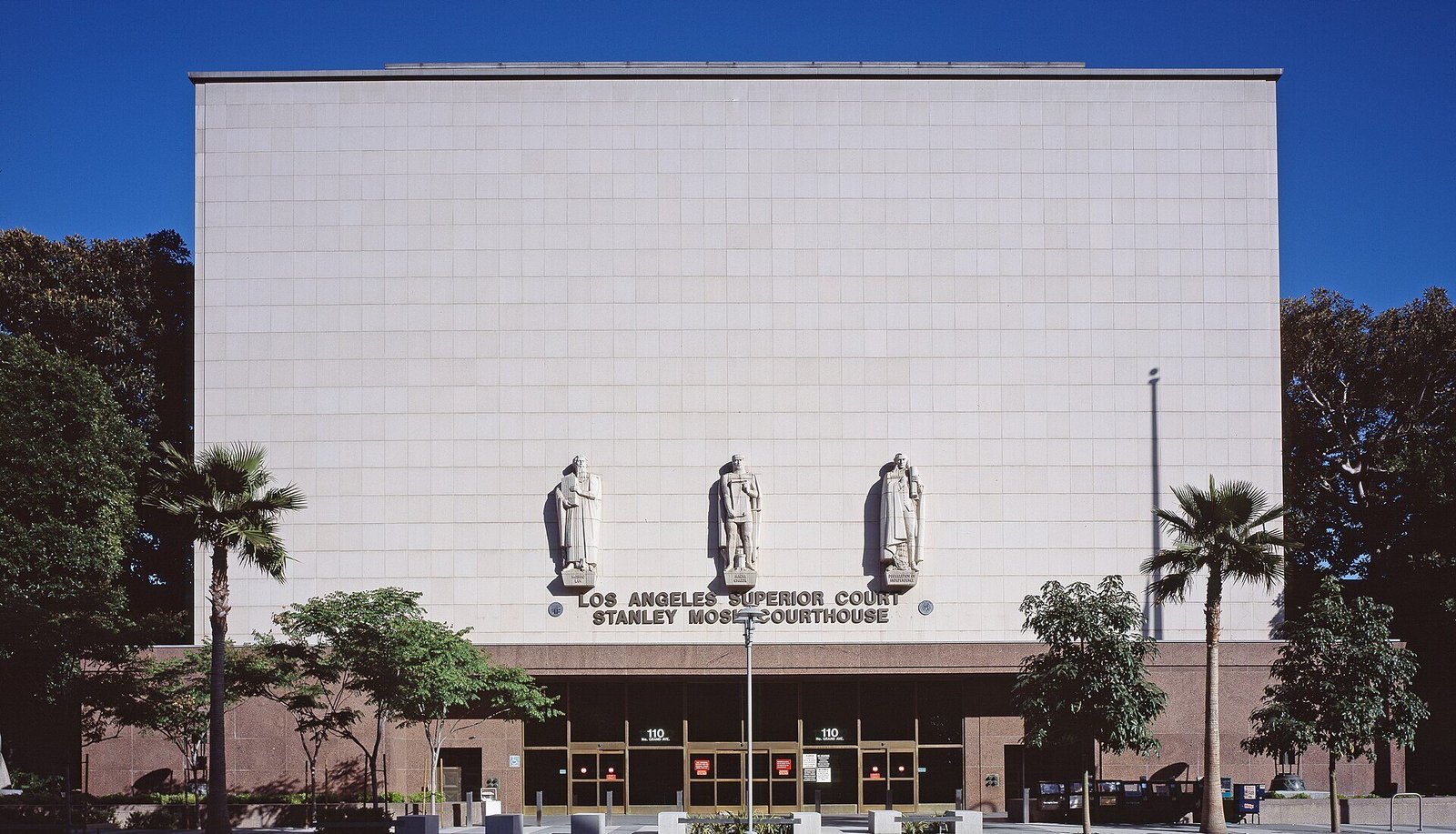
Yes, and some plaintiffs have won. In March 2026 a Los Angeles jury found Meta and Google negligent in designing addictive apps and awarded $6 million to a young woman. In August Meta agreed to pay 48 states up to $18 billion and to impose time limits for teens. But companies keep settling before juries rule on causation, and scientists still disagree on whether social media causes depression or mainly accompanies it.
On 28 October, jury selection began in a Los Angeles courtroom in a case that was supposed to show the public, for the first time, the internal documents of Snapchat. Two young women, one aged 16 from Illinois and one 18 from Mississippi, said that years of compulsive use of social apps had left them with depression, anxiety, an eating disorder and self-harm. Meta had already settled with one of them. TikTok and YouTube had settled before trial. On 2 November, before opening statements, Snap settled too.
The jury never heard a word. That pattern is the real story of the biggest product-liability fight of the decade.
Can you sue Instagram or TikTok for social media addiction?
Yes, and some plaintiffs have won. In March 2026 a Los Angeles jury in K.G.M. v. Meta, the first bellwether trial, found Meta and Google negligent in the design of their apps and awarded the plaintiff $6 million, split $4.2 million to Meta and $1.8 million to Google. A New Mexico jury ordered Meta to pay $375 million in civil penalties for harming children and misleading consumers, Jurist reported. And on 26 August Meta agreed to pay up to $18 billion to 48 states, Washington DC and several territories, the Associated Press reported. The deal still needs court approval.
| Case | Outcome | Date |
|---|---|---|
| K.G.M. v. Meta and Google, Los Angeles | Negligent design; $6m ($4.2m Meta, $1.8m Google) | March 2026 |
| New Mexico v. Meta | $375m in civil penalties | 2026 |
| Breathitt County School District, federal MDL | Settled by all four companies before trial | May 2026 |
| 48 states v. Meta | Up to $18bn over 10 years; time limits for teens | 26 August 2026 |
| Second Los Angeles bellwether | All defendants settled; Snap last, on 2 November | November 2026 |
Sources: AP, Jurist, CBS News, The Daily Record.
What Meta has agreed to change
The state settlement is as much about design as about money. According to the AP, Meta must set a two-hour daily limit for teenagers that only a parent can switch off, turn off push notifications during school hours on weekdays, strengthen age checks and parental controls, limit the display of “like” counts, and accept an independent auditor. About $5.3 billion of the total is conditional: states receive it only if YouTube and TikTok adopt similar features and pay matching amounts. California’s attorney general, Rob Bonta, called it “real change, real transparency, real protections”. Florida, which stayed out, called the payments “peanuts”.
The question no jury has had to answer twice
Every settlement avoids the hardest question in the litigation: did the app cause the illness? Meta’s defence in the Los Angeles case was that the plaintiff used TikTok far more than Instagram and that many factors shape a young person’s mental health. Researchers remain divided. Large studies show that heavy use goes with higher rates of anxiety and depression; whether the apps cause the illness, or troubled teenagers turn to them more, is still argued. Nearly half of American teenagers aged 13 to 17 say they are online almost constantly, according to a 2024 Pew Research Center survey cited by CBS News.

That is why the plaintiffs built their cases on design, not on content: infinite scroll, autoplay, streaks and algorithmic feeds, features a jury can see were engineered to keep a child watching. The March verdict showed that a jury will accept that argument. The settlements since show that the companies would rather not test it again.
For the bigger picture of how AI and platforms are reshaping markets, read The AI bubble, and for another case where proof and allegation must be kept apart, the Nvidia investigation.
We asked Srđan Aleksić
The problem of proving that an exposure caused an illness, when science has not finished its work, is the problem Prof. Dr Srđan Aleksić has litigated for years in depleted uranium cases. In Projektili pravde (2024) he reproduces an Italian ruling that faced exactly this dilemma. The court’s expert, the ruling says, while:
“honestly acknowledging the fact that the scientific literature on this subject has not yet reached its final conclusions … nevertheless confirmed the existence of sufficient elements to consider the existence of, at least, a causal contribution.”
In practical terms, that is the template the social media cases are following. A court does not wait for scientists to agree; it asks whether, on the evidence before it, the exposure more probably than not contributed to this person’s illness, and whether the defendant can show it did not. The uranium cases and the Instagram cases are about very different harms, but they turn on the same legal mechanism. Where a company or a state controlled the risk and the records, and gave no warning, courts have been willing to let the burden shift. That is why internal documents, the ones Snap’s settlement kept out of a Los Angeles courtroom, are worth billions.
Frequently asked questions
Has anyone won a social media addiction lawsuit?
Yes. In March 2026 a Los Angeles jury awarded $6 million to a young woman, finding Meta and Google negligent in the design of their apps. Both companies have appealed.
How much is Meta paying the states?
Up to $18 billion over ten years to 48 states, Washington DC and several territories, under a settlement announced on 26 August 2026 that still needs court approval.
Why do social media companies keep settling?
Settling before trial avoids a jury verdict on causation and keeps internal documents out of open court. The terms of most settlements are confidential.
Does social media cause depression in teenagers?
Studies link heavy use with higher rates of anxiety and depression, but researchers still disagree on whether social media causes these problems or mainly accompanies them.
Can schools sue social media companies?
Yes. More than 1,200 school districts have joined the federal litigation; the first bellwether, Breathitt County in Kentucky, settled in May 2026.
Sources
- Associated Press via KBTX, Meta reaches settlement with states over teen social media addiction (26 August 2026)
- CBS News, Jury selection begins in Meta and Snap trial (28 October 2026)
- The Daily Record, Snap settles case testing claims social media caused depression (2 November 2026)
- Jurist, Meta settles first lawsuit over harm to children’s mental health (May 2026)
- Wikipedia, K.G.M. v. Meta et al.
- Srđan Aleksić, Projektili pravde, 2024