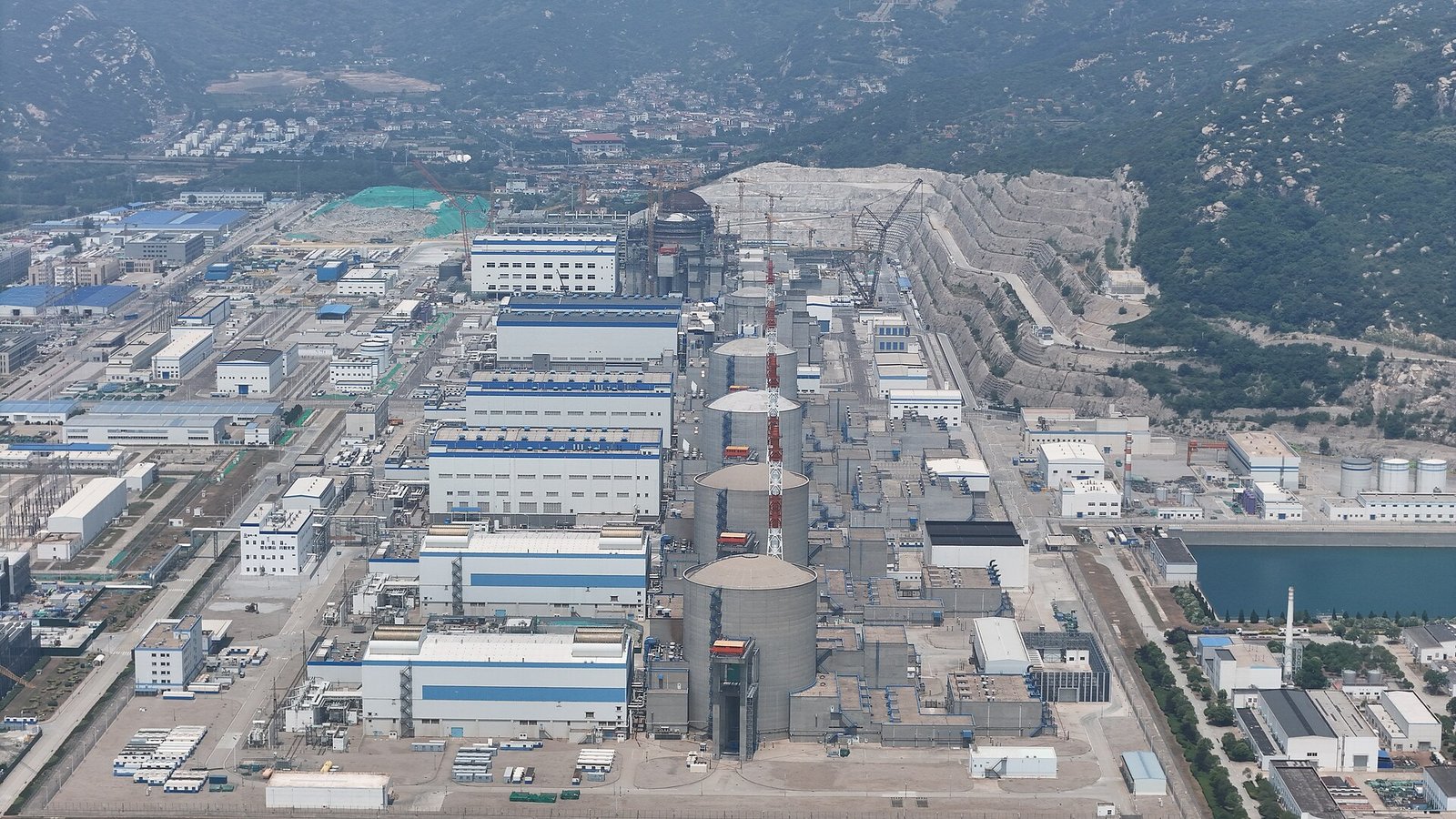
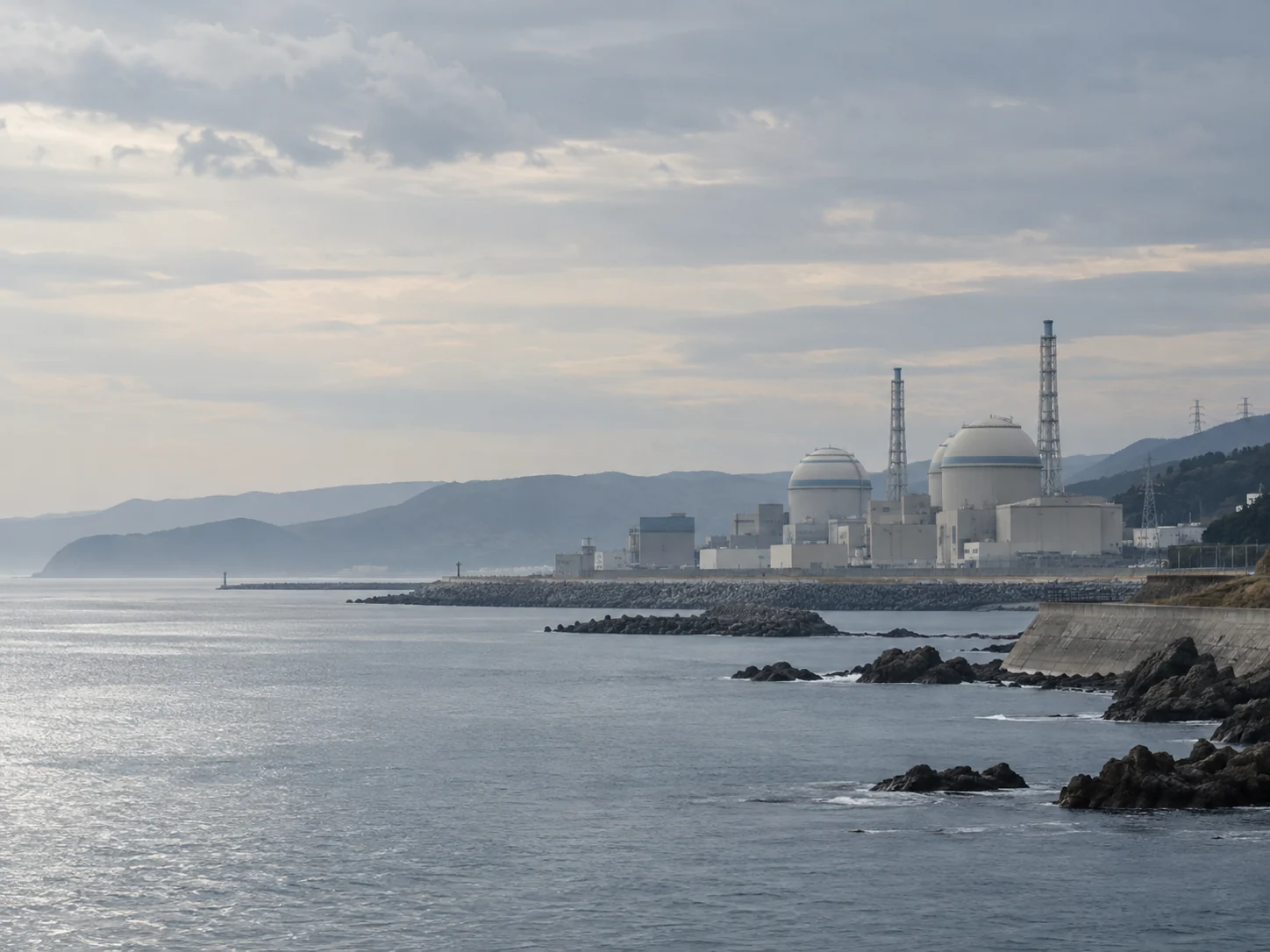
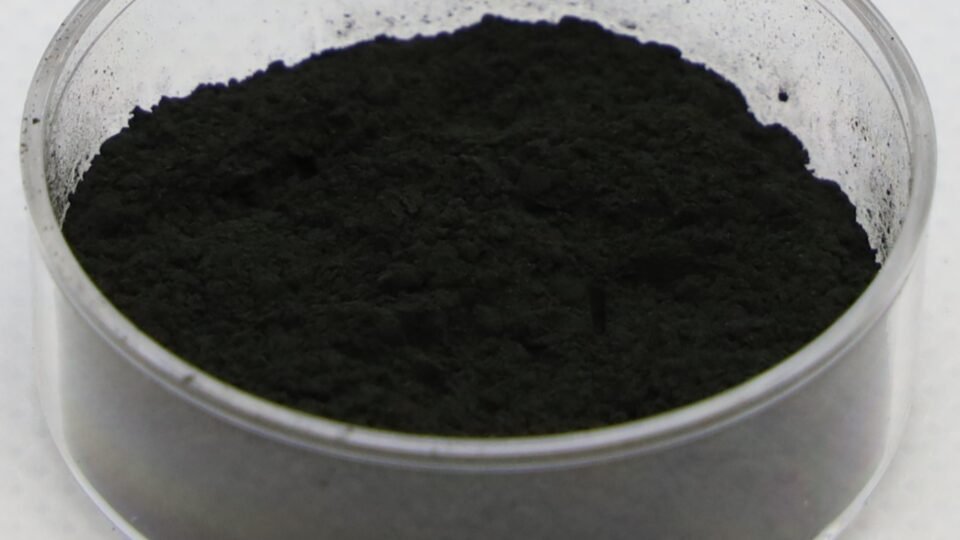
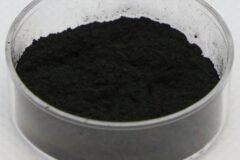
En el borde del desierto de Gobi, un pequeño reactor chino hizo lo que ningún otro había logrado: funcionar con torio y convertirlo en combustible de uranio. La capacidad nuclear de China acaba de superar a la de Francia y este verano se aprobaron ocho nuevos reactores. Cómo China construyó el programa nuclear más ambicioso del mundo, qué podría cambiar el torio y qué pueden aprender Europa y Serbia.
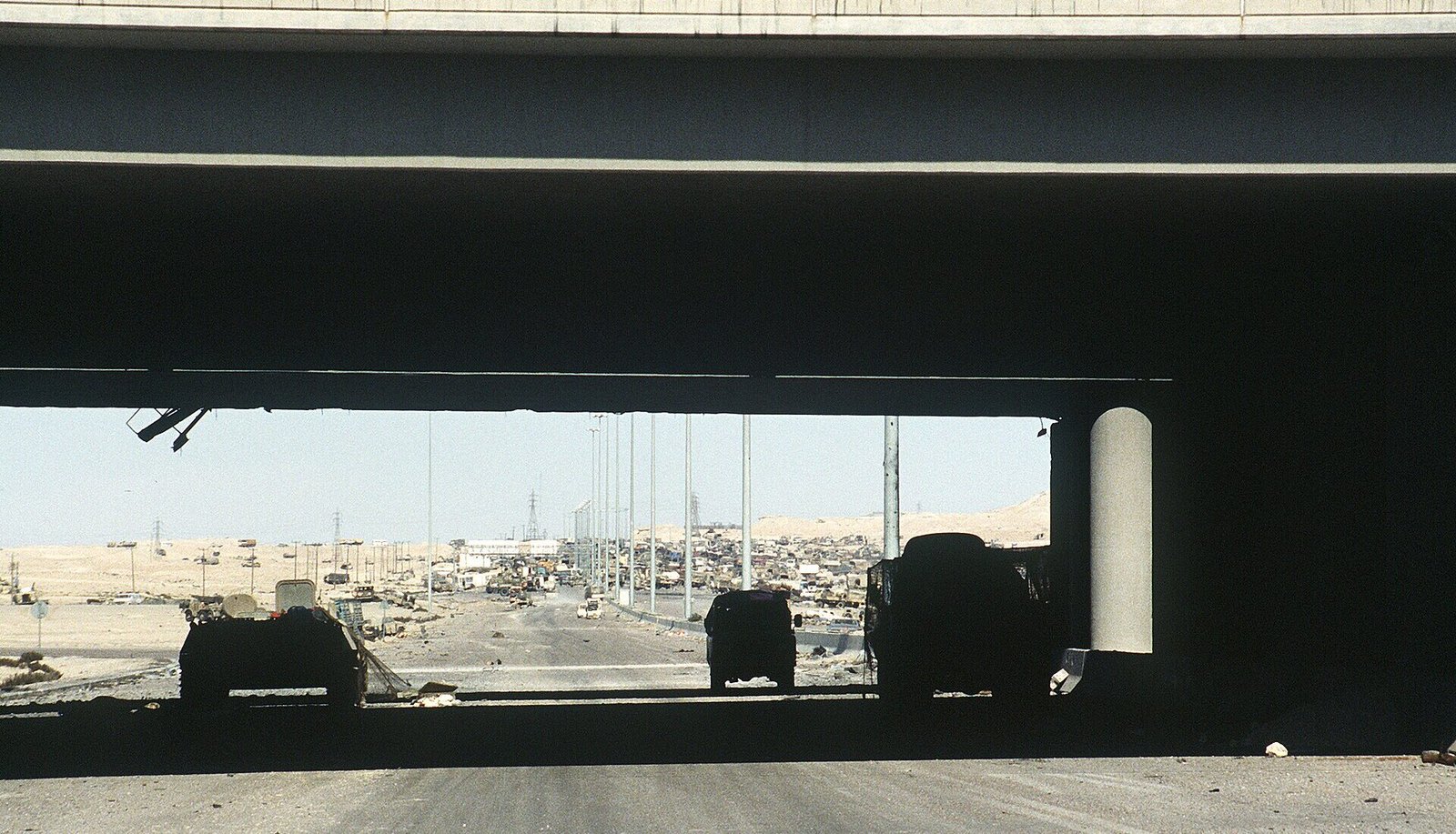
En dos guerras se dispararon en Irak más de 400 toneladas de uranio empobrecido. Siguieron cientos de lugares contaminados, chatarrerías llenas de metal radiactivo y una dura pelea científica por las malformaciones en Faluya y Basora. Qué muestran las pruebas, qué no, y por qué vuelve a importar mientras nuevas guerras usan la misma munición.
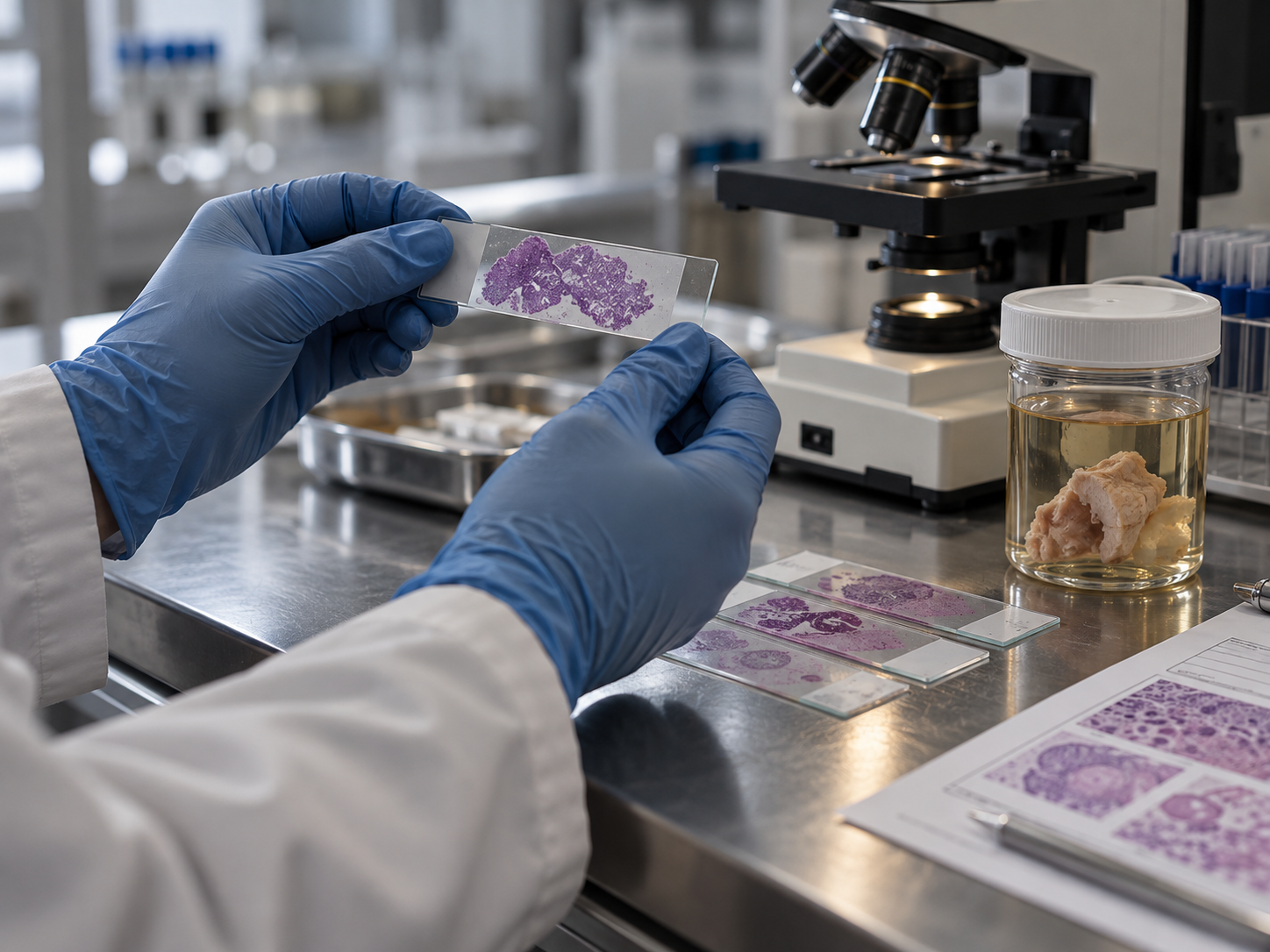
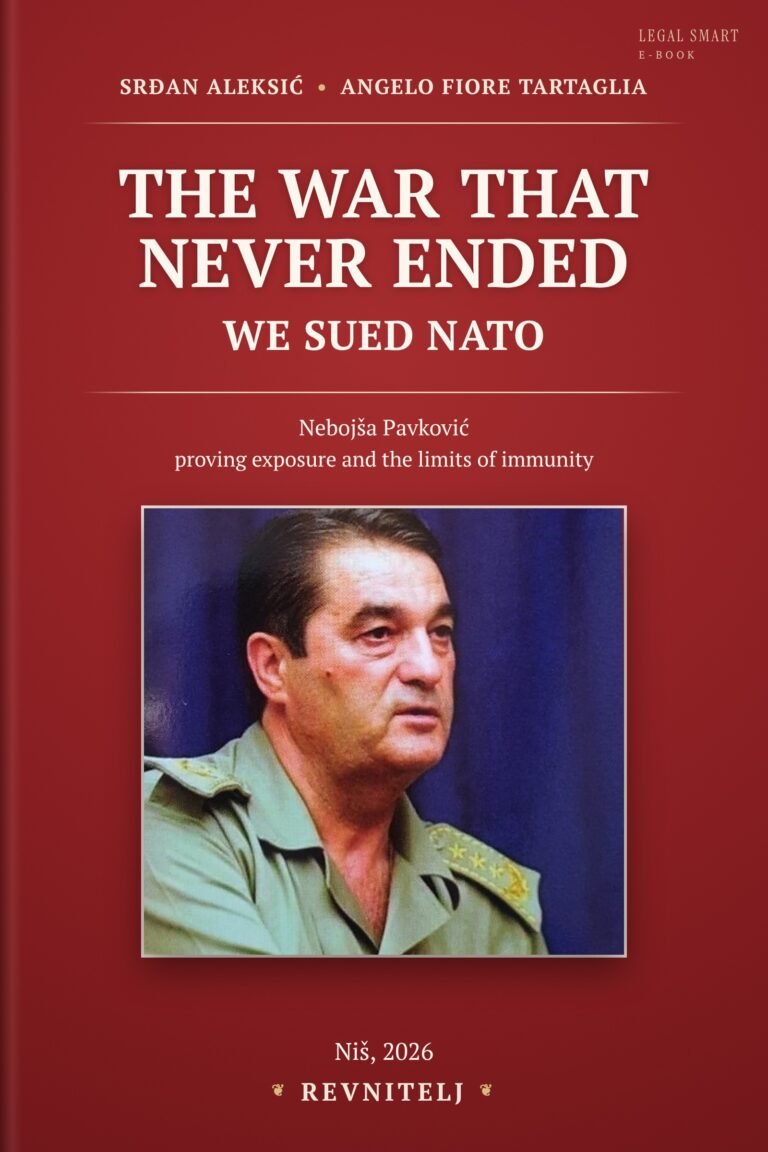
El 15 de septiembre de 2025, a petición de su hija, muestras de tejido tumoral extraídas al general Nebojša Pavković en una biopsia en la Academia Médica Militar de Belgrado unos veinte años antes fueron embaladas y enviadas a un laboratorio en Italia. El informe volvió con una cifra que desde entonces se cita en toda Serbia: 23,80 microgramos de uranio por kilogramo de tejido.
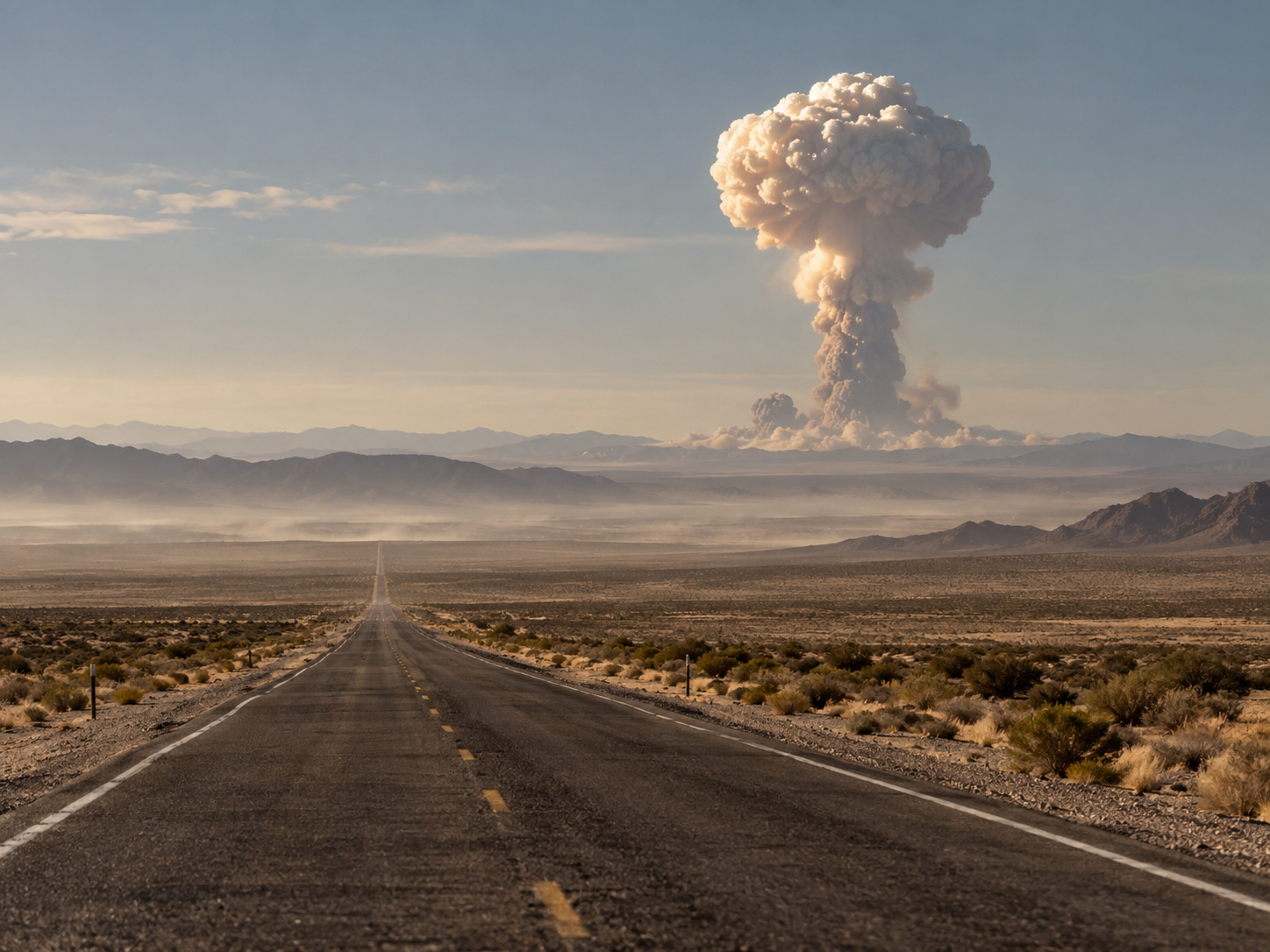
En la madrugada del 19 de mayo de 1953, Estados Unidos detonó sobre una torre en el desierto de Nevada un artefacto nuclear de 32 kilotones con el nombre en clave Harry. El viento cambió. Una nube radiactiva se desplazó hacia el este y permaneció más de dos horas sobre el pequeño pueblo mormón de St. George, en Utah. Aquella primavera murieron miles de ovejas que pastaban a sotavento en los campos cercanos a Cedar City. Cuando se conoció la magnitud de la lluvia radiactiva, la prensa le dio a la prueba un nuevo nombre: Dirty Harry.
El 19 de junio de 2026 la familia del general Nebojša Pavković presentó una demanda contra la Organización del Tratado del Atlántico Norte ante el Segundo Tribunal de Primera Instancia de Belgrado. Su hija, Marija Pavković, dijo a los periodistas que el escrito tenía unas mil páginas. "Papá quería que se hiciera", dijo, según Kosovo Online. "Es un intento más de alcanzar al menos una pequeña parte de justicia."
Los tanques occidentales en Ucrania disparan el mismo tipo de proyectiles de uranio empobrecido que se dispararon en Kosovo y el sur de Serbia en 1999, y Kiev afirma ahora que también los drones rusos lo llevan. Srđan Aleksić, sobre lo que los Balcanes aprendieron del uranio empobrecido para el futuro de Ucrania, lo que deja tras de sí un solo proyectil y lo que los ucranianos deberían empezar a hacer ya, antes de que lleguen las enfermedades.
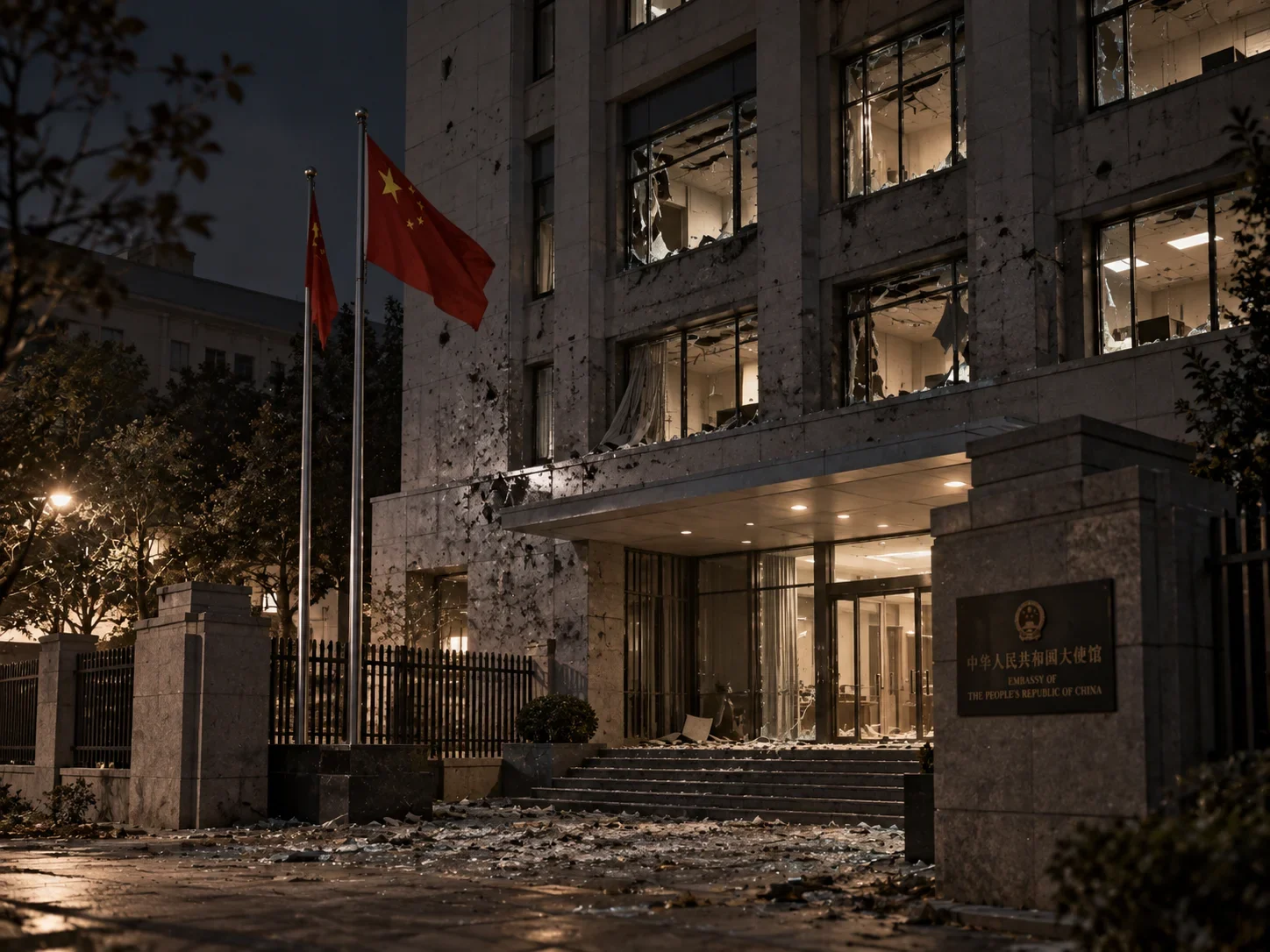
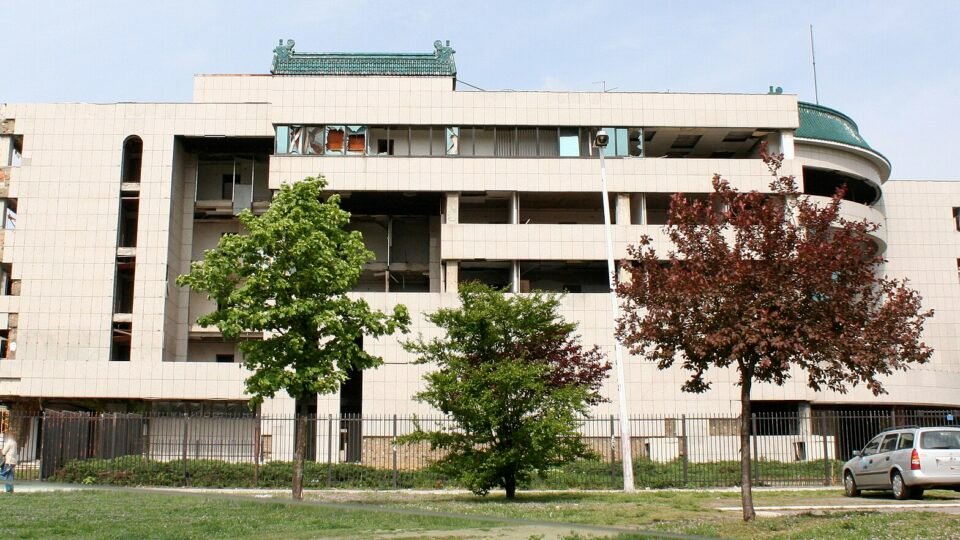
El 7 de mayo de 1999, bombas estadounidenses alcanzaron la embajada china en Belgrado. En pocos meses, Estados Unidos había pagado por los muertos, los heridos y el edificio. Srđan Aleksić explica lo que la indemnización por el bombardeo de la embajada china revela sobre quién cobra después de una guerra, y por qué los enfermos de Serbia siguen esperando.
La prueba más importante del peligro del polvo de uranio no procede de Serbia. Procede de Estados Unidos: de los ensayos de su Fuerza Aérea, de los memorandos de su Ejército, de sus propios tribunales y de sus propios veteranos. Srđan Aleksić sobre lo que Estados Unidos sabía de los efectos del uranio empobrecido en la salud y sobre por qué ese conocimiento debe estar en todas las salas de justicia.
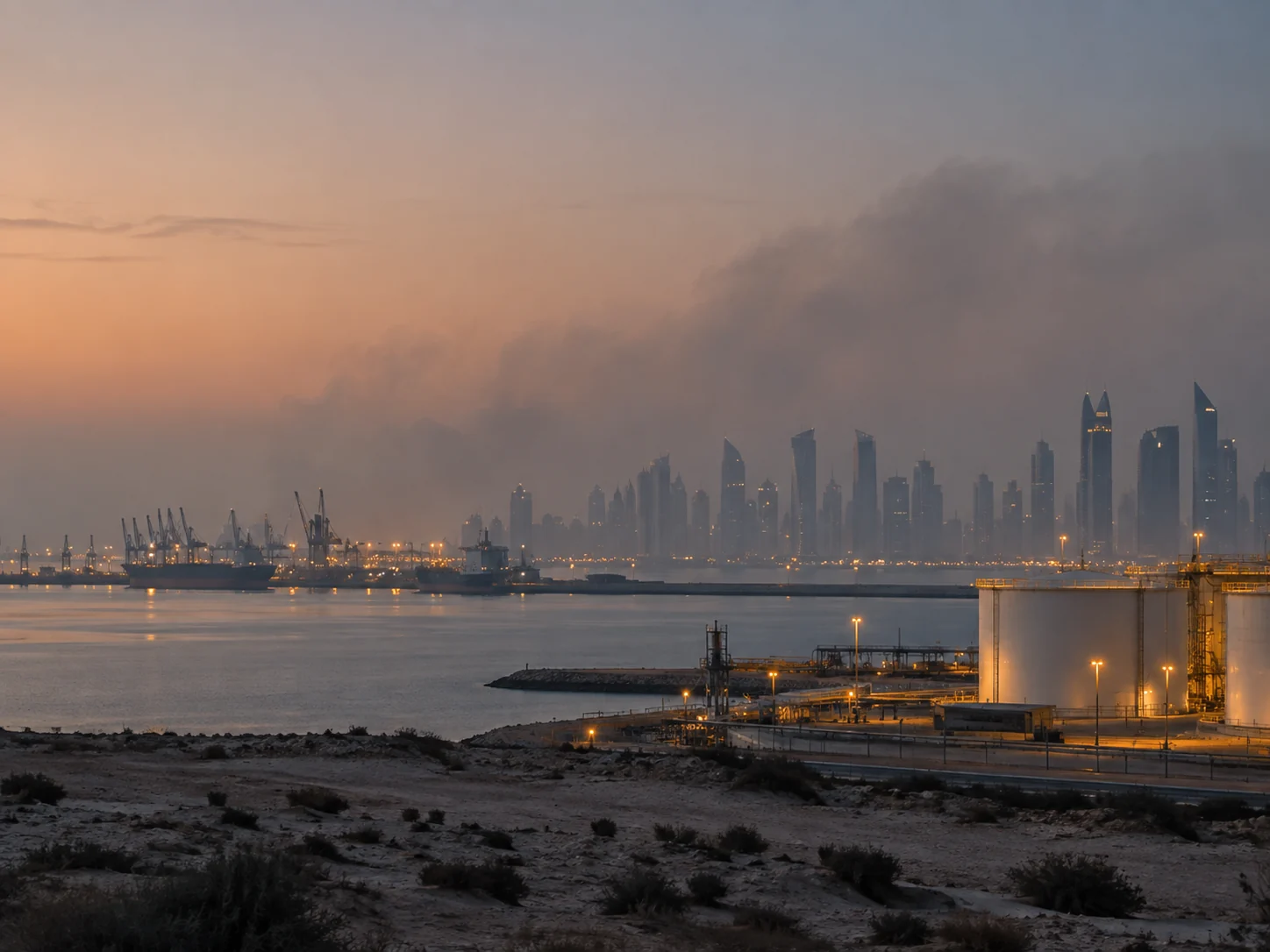
Misiles, drones y fragmentos de interceptores han caído sobre Doha y Dubái. Han ardido un complejo gasístico, los depósitos de combustible de un aeropuerto, un puerto y plantas industriales. Srđan Aleksić explica qué puede contener ese humo y ese polvo, qué aprendieron demasiado tarde los Balcanes al respecto y qué debería hacer ahora la gente del Golfo.
La operadora nuclear de Japón ha pagado más de 11,5 billones de yenes a la población de Fukushima, y la mayoría nunca tuvo que demostrar que estaba enferma. Los tribunales italianos han fallado más de 300 veces a favor de soldados expuestos al uranio empobrecido. En Serbia, a quienes vivieron bajo ese uranio todavía se les exige certeza. Srđan Aleksić sobre lo que la indemnización de Fukushima enseña a los Balcanes.
En abril de 1999 cayeron bombas sobre las plantas químicas de Pančevo. Un cuarto de siglo después, un estudio sobre los bombardeos consigna que las cantidades liberadas son «imposibles de determinar» y que ninguna investigación ha dicho qué efectos tuvieron en las personas. En marzo de 2026, misiles iraníes alcanzaron Ras Laffan, el corazón de la industria gasística de Catar. Los Balcanes no pueden decirle a Catar qué ocurrirá. Sí pueden decirle qué se pierde cuando nadie deja constancia de los hechos.
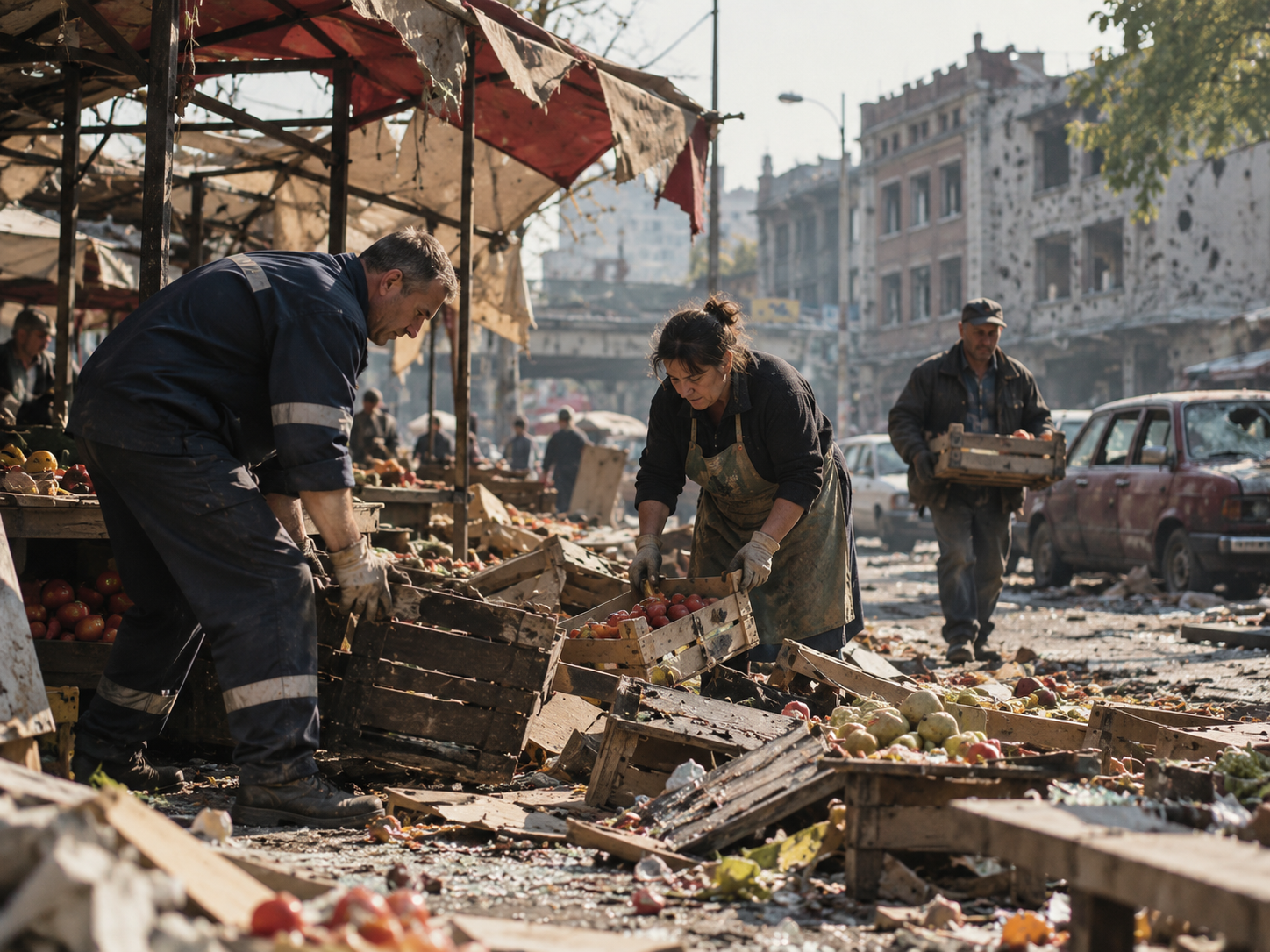
El estudio de Srđan Aleksić sobre los bombardeos de 1999 reconstruye, a partir de los informes de los médicos de Niš, lo que un solo ataque con bombas de racimo causó en un hospital, en un mercado y entre las personas que se encontraban allí.
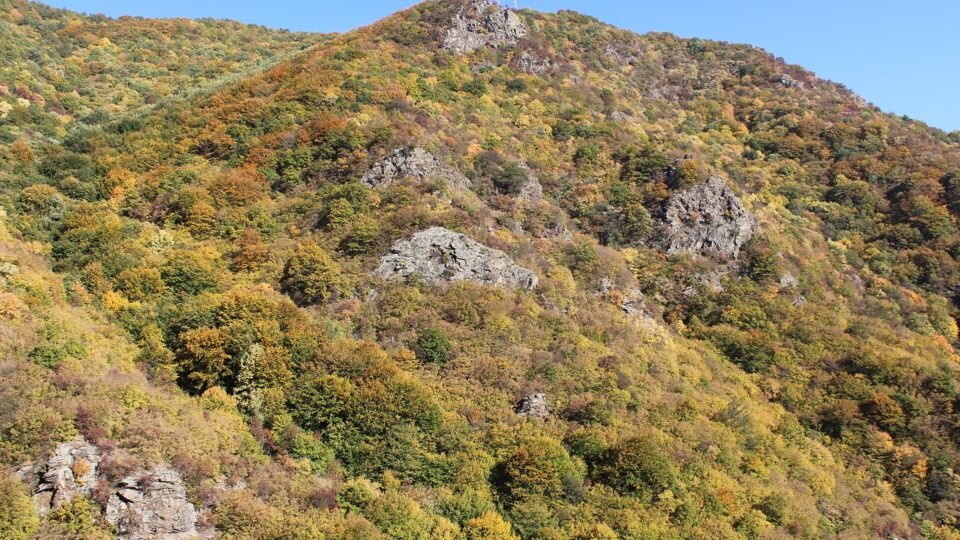
Un oficial del ejército serbio patrulló las laderas de Pljačkovica, sobre Vranje, en 2000 y 2001, meses después de que la OTAN atacara la colina con uranio empobrecido. Dieciocho años más tarde los médicos hallaron un leiomiosarcoma. Su caso se convirtió en la primera demanda individual contra la OTAN en Serbia. Legal Smart leyó el expediente.
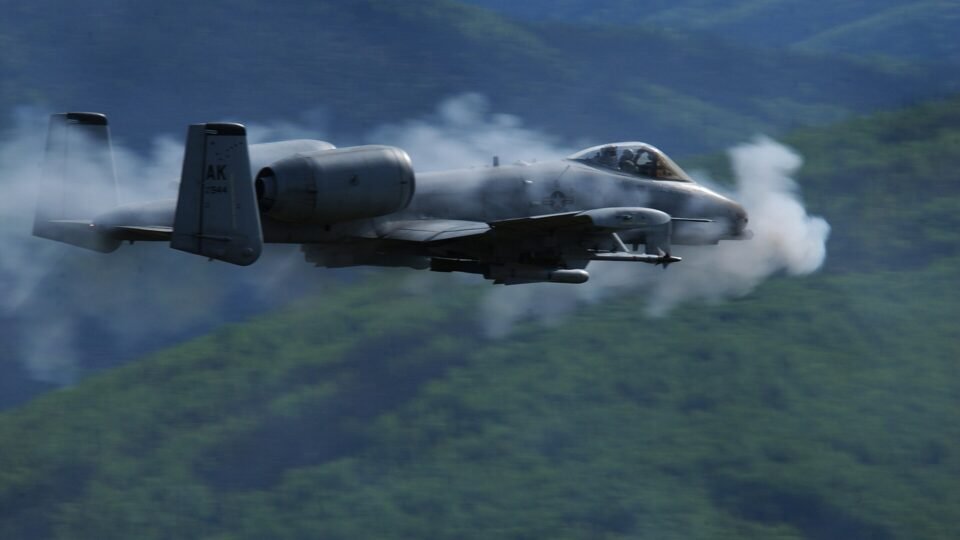
Un contrato del Ejército de EE. UU. para destruir munición de uranio empobrecido vence en diez días. Mientras tanto, los aviones de ataque A-10, que dispararon la mayor parte del uranio en Irak y los Balcanes, han volado en misiones de combate en la guerra con Irán. El Pentágono no ha dicho qué llevaban sus cañones.
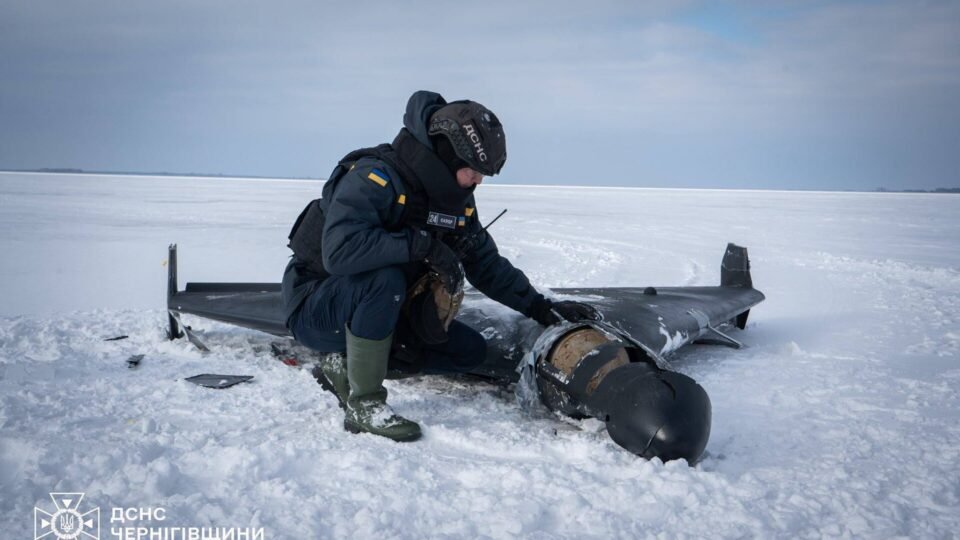
El servicio de seguridad de Ucrania (SBU) afirma que los drones rusos Geran-2 llevan misiles R-60 con ojivas de uranio, y que los fragmentos emiten hasta 80 veces el nivel permitido. Legal Smart siguió los expedientes de Chernígov y Sumy hasta una colina sobre Vranje en 1999.
In 1998 a US military laboratory turned healthy human bone cells cancerous with depleted uranium. The World Health Organization's cancer agency classifies internally deposited alpha emitters as carcinogenic to humans. And a Serbian book claims the genetic changes seen after 1999 are ten times more frequent than previously known. Legal Smart separates what is proven, what is claimed, and what nobody has measured.
Before Kosovo, there was Bosnia. In 1994 and 1995 NATO fired about 10,000 depleted uranium rounds at targets around Sarajevo and in Republika Srpska. In 2003 the UN found the first recorded case of uranium in drinking water, airborne uranium inside buildings still in use, and penetrators corroding into the soil. Legal Smart went back to the forgotten file of Hadžići and Han Pijesak.
NATO admitted firing 31,000 depleted uranium rounds and listed 112 sites. Serbian experts say they found a 113th. Five sites were cleaned; 107 in Kosovo were never touched. Villages in southern Serbia emptied. Legal Smart reconstructed the map from the record, and found how much of it is still blank.
In 1999 a US bomb destroyed the Chinese embassy in Belgrade because a database still showed the building as something else. In 2026 a US missile hit a girls' school in Minab, Iran, reportedly because intelligence maps had not caught up with what the building had become. The difference: this time an AI system was building the target lists. Legal Smart compared the two records.
More than 10,500 confirmed cases and 5,100 deaths in Congo. A global health emergency since May. And a virus, Bundibugyo, for which there is no licensed vaccine, no approved treatment and no specific rapid test. How the world prepared for the wrong Ebola, and the race to see whether the old vaccine can stop the new one.
A Yakima County resident exposed to infected cattle has died of H5N1, the third US bird flu death since 2024. Washington now has 40 infected dairy herds. But the one number that tells you whether the virus is spreading quietly among the people who milk the cows has not been published. Legal Smart looked for it.